
cropper
update
SHE E-BOSS MEDIA NEWS CHANNELS
update
  • Home
  • Categories
    • Jovial January
    • Fabulous February
    • Marvelous March
    • Amazing April
    • Momentous May
    • Jubilant June
    • Juxtaposition July
    • Adventurous August
    • Spectacular September
    • Outstanding October
    • Notable November
    • Dazzling December
    • Inspiring Initiatives
    • Cultural Cuisine
    • Travel Diaries
    • Womanity Warriors
    • SHE-EO Excellence
    • Literary Luminaries
    • Trailblazing Titans
    • Wisdom Of Words
    • SHE Strategies
    • Tech Trends
    • Hemispheres Pulse
    • Money Mindset
    • Fintech Frontier
    • Motherland Moments
    • She Evolves
    • Quoted
    • Sky To Safari
    • Career Nuggets
    • SHE SPEAKS VOLUMES
September 08.2026
1 Minute Read

Building Business Legacy Beyond Funding: Wy African Female Founders Must Create Impact That Lasts

Imagine an African city at sunrise: the gates of a bustling market swing open, and among the first to enter are female entrepreneurs. Their businesses do more than provide goods, they inspire hope, create jobs, and shape the next generation. But the true measure of their impact stretches far beyond their last funding round; building legacy beyond funding means creating enterprises that transform lives and communities for decades to come. This article dives into why African female founders must envision businesses built to last, transcending short-term financial wins to achieve lasting, transformative success.

Setting the Stage: Observations on African Female Founders and Lasting Business Impact

Across Africa, female entrepreneurs are rewriting the playbook for what it takes to become a successful business owner. These leaders encounter unique hurdles, limited access to capital, societal constraints that inhibit business growth, and economic obstacles that often plague women aspiring to scale up their small businesses. Despite these challenges, networks of resilient female founders are pioneering a new narrative focused on long-term impact, outlasting both funding rounds and financial trends. They prove that the business legacy is not simply defined by valuation, but by the change one repeatedly brings to their teams and hometowns.

"True legacy isn’t written in funding rounds, but in the enduring change a founder inspires within her community. " ~ Industry Thought Leader

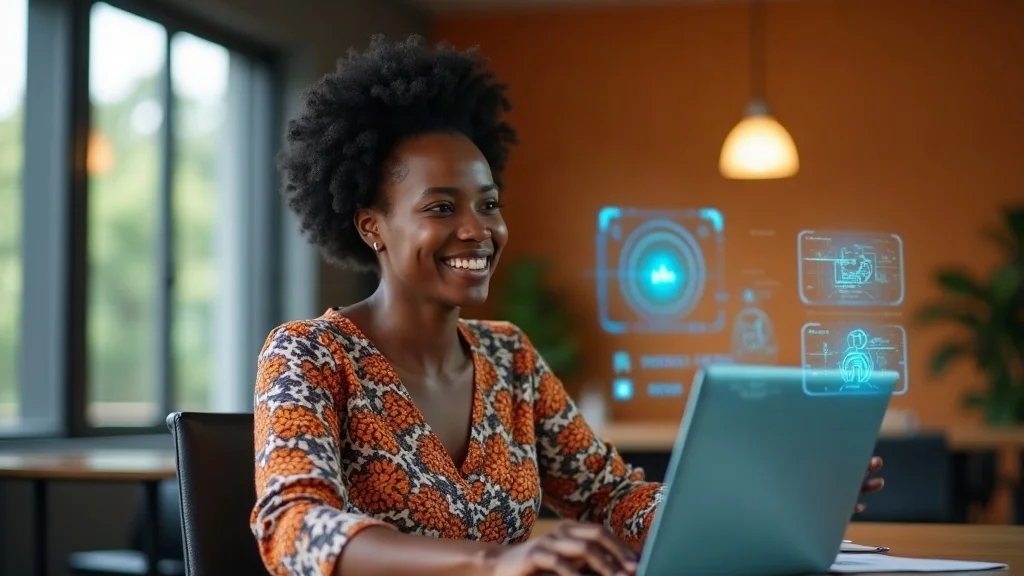
African female entrepreneur building legacy beyond funding in a vibrant coworking space

What You'll Learn from This Perspective on Building Legacy Beyond Funding

  • The unique challenges and opportunities for African female founders in building legacy beyond funding

  • How creating impact outlasts financial milestones for female entrepreneurs

  • Essential strategies for female entrepreneurs to secure their business futures

  • Real-world examples of business legacy forged by women in Africa

Building Legacy Beyond Funding: The Core of Sustainable Female Entrepreneurship

Why African Female Founders Must Create Impact That Lasts

True business success isn’t simply about how much capital is raised, but how deep the roots of impact reach. In the African context, female entrepreneurs have a unique opportunity, and responsibility, to be architects of long-term transformation. This means prioritizing vision, values, and community impact over chasing the next financial milestone. Men and women alike acknowledge the hurdles: study finds that women face greater difficulties with limited access to formal financial institutions, and business owner survival rates can be worse than those located near customers in established economies. Yet, African women persist, overcoming social obstacles that impede growth and harnessing the support of savings clubs and mentorship networks.

Their businesses become lifelines, not only for themselves but for children who are healthier, local economies that thrive, and communities that witness new avenues of female empowerment. The arduous journey of building legacy beyond funding means creating a ripple effect, where positive change continues long after a founder steps away from daily operations. This shift from profit-driven metrics to sustainability ensures that female entrepreneurs potentially generate a greater impact that reverberates across the developing world, cementing their legacy for future generations.

Female entrepreneur building legacy beyond funding by leading a diverse team in a modern office

Key Principles for Building Business Legacy Beyond Funding

  • Vision and Values: Laying foundations for female entrepreneurs

  • Community-driven entrepreneurship in Africa

  • Resilience and adaptability: Making businesses last beyond financial support

Building business legacy requires an unwavering commitment to foundational values. African female founders often start with a clear sense of purpose, ensuring their business practices align with cultural values and address real societal needs. Community-driven entrepreneurship means offering products and services that are relevant, located near customers, and attentive to local challenges. By remaining resilient and adaptable—especially when confronted with economic constraints or shifts in funding—female entrepreneurs create systems that weather storms and thrive independently, reinforcing their staying power in the market.

Study shows that businesses rooted in core values and a strong community network have higher survival rates and can outlast those fixated only on funding opportunities. This holistic approach positions African women as architects of future economies and scalable role models in the developing world.

For founders seeking actionable strategies to strengthen their business foundations, exploring practical frameworks and expert-led sessions can be invaluable. The Nahla Nala Method Webinar Room offers in-depth guidance on sustainable entrepreneurship, equipping African female entrepreneurs with tools to build resilience and drive lasting impact.

The Landscape: Female Entrepreneurs and Legacy-building in Africa

Female Entrepreneur Success Stories: Building Legacy Beyond Funding

From Kenya to Nigeria and beyond, the continent abounds with inspiring narratives of female entrepreneurs whose vision extends far past funding achievements. Trailblazers like Sarah Baker and Waithaka garnered recognition for their ventures, but more importantly, they instituted mentorship programs and community impact initiatives that redefine what it means to own a business in Africa. These visionaries understand the value of collaboration, leveraging both hard and soft skills in business training to uplift peers and protégés. Their enterprises become platforms for business training and leadership succession that reinforce the business legacy for years to come.

Other remarkable women, often battling limited access to capital, societal bias, and business practices designed around male-dominated networks, find new ways to unlock opportunities for others. By prioritizing mentorship, they multiply their influence, turning small business owners into a new generation of innovators. Each success story is not merely a testament to personal ambition but evidence that African female founders can potentially generate a greater legacy than any single funding milestone.

Barriers and Breakthroughs for African Female Founders

Despite the triumphs, female entrepreneurs in Africa still grapple with a host of barriers: limited access to formal financial institutions, persistent social and economic constraints, and the ongoing challenge of securing and sustaining capital. Many women face obstacles that are worse than those located in established markets, yet, their ability to innovate and adapt is unrivaled. Small businesses led by women often draw on savings clubs, familial networks, and local resources to survive periods of low financial support.

However, these barriers fuel breakthroughs. As study finds, African businesswomen lead the way in new forms of collaboration, turning to knowledge-sharing communities and support organizations. These forums offer more than training programs; they create networks that allow female entrepreneurs to strategize, upskill, and challenge traditional business practices while forming legacy-minded teams. Entrepreneurial resilience, fortified by peer-to-peer learning and cultural insight, remains the foundation of businesses built to last.

Two proud African female founders discussing business legacy at a vibrant urban African market

Role Model African Female Entrepreneurs and Their Legacy Elements

Name

Country

Business Focus

Legacy Element

Sara Menker

Ethiopia

Agritech

Using data to solve food insecurity for millions

Ajuma Nasenyana

Kenya

Modeling & Social Enterprise

Promoting local talent and female entrepreneurship in fashion

Mukami Kinoti

Kenya

Microfinance

Empowering women through accessible loans

Why African Female Founders Must Envision More Than Just Funding

The Limitations of Chasing Funding Alone for Female Entrepreneurs

While raising capital can boost business growth in the short term, an exclusive focus on funding often clouds the greater vision. Many female entrepreneurs in Africa quickly learn that access to capital, while critical, does not guarantee sustainability. Financial backing from a lender or a financial institution offers only a starting block—not a full journey. Reported to be unserved by financial institutions, women founders frequently battle for recognition, resources, and operational independence long after seed rounds close.

Pragmatically, there are pitfalls: the risk of building practices solely for investor appeal, rather than for community impact or long-term needs. Worse, businesses structured around fleeting cash influxes may crumble when funding dries up, robbing communities of services and jobs. For African female founders, a forward-thinking mindset that weaves together business owner resilience, core values, and strategic learning sets foundations for legacy—ensuring their impact survives beyond the latest financial trends.

Thoughtful African female entrepreneur reflecting on building business legacy beyond funding in her office

Building Business Legacy through Community, Values, and Innovation

To transcend the limits of funding reliance, female entrepreneurs must embed their work in community needs and innovative problem-solving. Community engagement ensures the business remains located near customers, attentive to the evolving needs of those it serves. Upholding strong values, integrity, inclusivity, shared knowledge, not only builds trust, but inspires repeat investment from those who matter most: the people.

Innovation turns local challenges into opportunities. Whether launching new business training programs or introducing eco-friendly production methods, women founders have the chance to leverage African cultural strengths and redefine what business legacy means. By consistently investing in leadership and succession plans, these entrepreneurs lay the groundwork for organizations that endure within the developing world and become models of female empowerment for decades to come.

Strategies: Building Business Legacy Beyond Funding for African Female Founders

Nurturing Mentorship and Networks Among Female Entrepreneurs

Mentorship isn’t a luxury, it’s the engine of legacy-building among female entrepreneurs in Africa. Access to experienced business owners, trained mentors, and peer leaders enables women to rapidly upskill, anticipate pitfalls, and scale their impact. Study shows small business survival rates improve with active participation in support networks, where women can safely share setbacks, celebrate wins, and build resilience.

These mentorship circles become more than just informal savings clubs, they function as living laboratories for new business practices and as incubators for both hard skill and soft skill acquisition. Networks bridge the gap often left by limited access to capital, delivering the knowledge, confidence, and strategies required to withstand the uncertainties of entrepreneurship in the developing world.

Strategic Partnerships and Knowledge Sharing

Forming strategic partnerships enables female entrepreneurs to amplify their reach and overcome resource gaps. By aligning with organizations, financial institutions, and advocacy groups, African women can tap into broader expertise, facilitate business training, and open doors for their peers in underserved communities. Through active knowledge sharing, successful founders transform what they’ve learned into training programs, leadership workshops, and public speaking engagements that foster new waves of entrepreneurship across Africa.

  • Investing in long-term social and environmental impact

  • Scaling business foundations: Leadership and succession planning

  • Leveraging African cultural strengths in entrepreneurship

Mentorship network empowering African female entrepreneurs and small business owners

Curated video segment: Individual interviews with prominent African female entrepreneurs sharing their journey from funding to legacy-building. Includes close-ups, subtitled clips of community impact, and networking highlights. Professional edit with soft background music, duration 3-4 minutes.

People Also Ask: Expert Answers

Which country has the highest female entrepreneurs?

A contextual look at African nations fostering female entrepreneurship.

Recent studies highlight that countries like Uganda, Ghana, and Botswana consistently rank among the leading nations for female entrepreneurship, with a high percentage of women operating businesses as a means of overcoming economic constraints. These environments provide a unique platform where the entrepreneurial spirit of women is embraced, with support from local policies, savings clubs, and community initiatives. African female entrepreneurs in these countries are setting new benchmarks for how small businesses drive local economies and create a lasting business legacy.

Who are some successful black female entrepreneurs?

Profiles of notable African and diaspora female founders creating lasting legacies.

Notable African and diaspora female entrepreneurs such as Sara Menker (Ethiopia, Gro Intelligence), Folorunso Alakija (Nigeria, oil & fashion), and Janice Bryant Howroyd (USA, ACT-1 Group) have demonstrated how business vision can transcend sectors and continents. Their stories are proof that building legacy beyond funding requires not only capital but also mentorship, strategic thinking, and deep community investment. These founders inspire others to pursue sustainable models that combine profit with long-term community impact.

Why is female entrepreneurship important?

Female entrepreneurship as a catalyst for community development and economic inclusion.

Female entrepreneurship serves as a vital driver of inclusive economic growth. Businesses owned by women help address disparities by creating jobs, fostering future leaders, and offering services that improve lives. For many communities in the developing world, female entrepreneurs lead social and environmental transformation, enabling children that are healthier and raising the standard of living for all. A study finds their ventures can potentially generate a greater cumulative impact than those driven by male counterparts, especially when focused on local needs and social obstacles that impede general progress.

How do female entrepreneurs get funding?

Overview of accessible funding pathways and unique challenges for African women.

Female entrepreneurs in Africa access funding through a combination of formal and informal networks. While many experience limited access to formal financial institutions, they often turn to savings clubs, microfinance, local cooperatives, and community-based lenders. Programs offering targeted business training and mentorship also play a role in connecting women to opportunities. Despite challenges with access to capital and regulatory support, innovative founders overcome barriers by leveraging familial, community, and international partnerships.

FAQs on Building Legacy Beyond Funding for African Female Founders

  • What is the difference between building legacy and reaching funding goals? – Building a legacy is about ensuring long-term impact and value for your community and business, while reaching funding goals typically focuses on immediate financial milestones.

  • Can small businesses establish a legacy beyond funding? – Absolutely. Even small businesses led by women in the developing world can create powerful, enduring legacies through strategic community engagement, mentorship, and resilient business models.

  • How important is mentorship to establishing lasting impact? – Mentorship is essential; it helps female entrepreneurs navigate challenges, upskill, and prepare the next generation to lead, greatly amplifying their potential legacy.

A professionally produced panel discussion featuring leading African female founders who share insights on the importance of building strong network foundations to sustain business legacy. Watch as they discuss strategies around partnerships, mentorship, and community engagement.

Key Lessons for Building Business Legacy

  • Legacy stems from vision, not just valuation

  • Networks and collaborations are vital for sustained impact

  • African female founders can redefine success for future generations

Empowering African female business leader sharing legacy-building strategies with entrepreneurs at a workshop

Discover The She E-Boss Solutionist Network for Lasting Impact

If you're ready to become part of a movement that champions building legacy beyond funding, join the She E-Boss Community—a vibrant network supporting female entrepreneurs across Africa with mentorship, resources, and authentic leadership succession. Discover The SHE E-Boss Community to connect, collaborate, and amplify your business legacy for generations to come.

Reflecting on Building Legacy Beyond Funding: The Path Forward for African Female Founders

The journey for African female founders is defined by resilience, innovation, and the courage to dream beyond funding. By prioritizing legacy over short-term gain, these leaders are creating a future in which community, values, and collaboration are the true marks of lasting entrepreneurial success.

As you continue to shape your entrepreneurial journey, remember that building a legacy is a dynamic process—one that thrives on continuous learning, strategic alliances, and a commitment to impact that endures. For those seeking to deepen their expertise and connect with a broader network of solution-driven leaders, the She E-Boss Solutionist | Nahla Nala Method Webinar Room provides a gateway to advanced insights and collaborative opportunities. Explore how innovative frameworks and community-driven strategies can elevate your business vision, ensuring your legacy not only survives but flourishes for generations. Take the next step to unlock new perspectives and empower your mission with the support of like-minded female founders across Africa.

Sources

  • The First Black Woman to Co-Found a Unicorn Startup ...

  • Building a Legacy for the Next Generation of Black Women ...

  • Can African Female Tech Founders Compete Globally?

  • Enabling female entrepreneurs and beyond

  • Women in African Entrepreneurship: Challenges & ...

  • From Bias to Bankable: AGF's Case for Financing Women ...

SHE Strategies

0 Comments

Write A Comment

*
*
Please complete the captcha to submit your comment.
Related Posts All Posts
09.06.2026

Strategic Frameworks and Aesthetic Standards for Elite African Women Entrepreneurs’ Brand Representation

In today's fast-evolving global market, African women entrepreneurs face the dual challenge of establishing authentic professional identities while navigating an increasingly digital and algorithm-driven landscape. Success in this environment demands more than traditional marketing – it requires strategic brand frameworks African women can use to solidify trust, cultural authenticity, and elite status within professional networks. This guide offers an authoritative and detailed map to align visual aesthetics, tonal authority, and strategic documentation that preserve both legacy and growth. Through insights from The SHE E-Boss, founder of The SHE E-Boss Solutionists and The Personal Brand Africa, readers will learn how to ensure their brands remain unique and powerful both in-person and online. Understanding the Strategic Weight of Professional Identity for African Women Entrepreneurs The evolving marketplace and the importance of professional identity beyond marketing aesthetics How professional identity anchors brand survival amid technological change The role of favored customers in defining authentic brand experiences The contemporary business landscape for African women entrepreneurs has transcended superficial marketing tactics and now centers profoundly on the core of professional identity. Rather than viewing identity as merely aesthetic or promotional, it is now recognized as a strategic asset crucial for survival in a technology-saturated and competitive environment. African women founders must recognize that their professional identity serves as an anchor that stabilizes their market presence amidst volatility and rapid change. The value of this identity is best understood through the lens of favored customers—the loyal patrons whose repeated engagement and enthusiastic referrals shape the authentic narrative of a business. These customers do not describe the business merely as “professional” or “good,” but evoke the visceral feeling of trust, care, and reliability experienced in every transaction. This perspective forms the unseen blueprint of a brand’s soul, providing the richness that defines elite brand representation. The SHE E-Boss, founder of The SHE E-Boss Solutionists, explains, "The visceral experience of how customers feel when served is the true blueprint for a brand's soul, often unwritten but essential for survival. " Navigating the Digital Shift: When Machines Represent African Women Founders The transition from human interaction to AI and algorithmic first impressions Risks of undocumented professional identity leading to generic digital representation The strategic danger of being unknown to digital systems and its impact on brand uniqueness In the digital era, the traditional handshake and face-to-face introductions have been supplanted as the primary gateway to trust by AI-driven algorithms and machine-mediated impressions. The first interaction potential clients or partners have with a business is increasingly through search engines or artificial intelligence, which interpret and present the brand based on available data. Without deliberately documenting a clear professional identity, founders risk being represented by generic and uninspiring content that fails to communicate their unique value. One way to see the long-term impact of strategic brand building is by reflecting on the journeys of established African women entrepreneurs. For example, the story shared in Thirty Years This March offers a real-world perspective on legacy, resilience, and the evolution of professional identity over decades. Such narratives highlight the importance of intentional documentation and strategic positioning for enduring brand relevance. The biggest challenge lies in the fact that machines cannot intuitively grasp the essence of a founder's brand identity. In the absence of a faithful narrative, the AI fills voids with bland placeholders, erasing the qualities that distinguish a business. The trust and emotional connection built in-person remain invisible in digital representations, creating a dangerous disconnect that can dilute brand equity and reduce market differentiation. The Importance of Documenting Brand Identity for Digital Authenticity According to The SHE E-Boss, "Without a documented narrative, machines fill the silence with generic slop, erasing the unique qualities that make your business stand out. " For African women entrepreneurs, documenting their brand identity is no longer optional but a strategic imperative to ensure that machines accurately and consistently represent their brands in digital spaces. This documentation translates the founder’s personal expertise, values, and customer experience into a language AI can use to preserve authenticity. It's the foundation for digital trust that mirrors in-person engagement, maintaining the emotional resonance essential for long-term business relationships. Defining the Visceral Brand Soul: A Strategic Survival Tool for African Women Founders Concept and significance of Brand Soul Identification Transforming intangible excellence into documented digital legacy Ensuring consistent authentic presence across all digital and physical touchpoints The concept of Brand Soul Identification embodies the rigorous process of capturing the intangible core of what makes a founder’s business exceptional and expressing it in a documented form. This strategic act serves as both defense and growth mechanism, ensuring that a brand is recognized as a distinct, authentic entity rather than being swallowed by generic digital noise. For African women founders, this is essential for preserving uniqueness in a competitive digital economy. By articulating the visceral brand soul—those subtle human elements of trust, warmth, and professional excellence—a founder anchors her business legacy in words that live across all customer touchpoints. This ensures the brand voice and presence remain consistent whether conveyed by a manager in a meeting room or by an AI algorithm on a search engine result page. Brand Soul as a Defense and Growth Mechanism The SHE E-Boss Solutionists emphasize, "Brand Soul Identification is the difference between a business that merely exists and one that commands authoritative identity in the digital era. " Strategic Brand Frameworks African Women: Aesthetic Standards for Elite Representation Visual alignment with high-end professional standards Color palette: royal navy blue, regal golden yellow, cream/off-white for authority and elegance Artistic markers: scrolls, elegant borders, watercolors, fine pencil strokes Cultural context: authentic, dignified imagery of African professional women avoiding caricatures Establishing elite brand representation requires African women entrepreneurs to adhere to a strategic aesthetic that visually communicates authority, reliability, and cultural authenticity. A carefully curated color palette—dominated by royal navy blue, regal golden yellow, and cream or off-white—evokes feelings of elegance and trustworthiness important in professional networks. The inclusion of artistic markers such as scrolls, elegant borders, watercolors, and delicate pencil strokes further elevates the brand’s sophistication, appealing to elite clientele and partners. Importantly, this representation honors an authentic African cultural context, portraying professional African women with dignity and realism rather than through westernized or caricatured lenses. Tonal Sovereignty: Crafting a Warm, Honest, and Affirming Brand Voice Avoiding fear-based messaging and lecturing Creating psychological safety for founders to define their own narrative Empowering African women entrepreneurs to maintain narrative control Tonal sovereignty is a critical pillar in these strategic brand frameworks. It demands that founders communicate with warmth, honesty, and affirmation, fostering an environment where African women entrepreneurs feel safe and empowered to shape their own narratives without coercion or fear. This approach avoids negative or confrontational messaging, instead building trust and respect through sincere storytelling and consistent tone. The Six Paths of Challenge: Customized Journeys for African Women Founders The Emerging and Overwhelmed: managing rapid technological change and market noise The Well-Established: protecting legacy and deepening identity Four additional pathways addressing scaling and identity preservation challenges The journey to elite brand representation is unique to every founder. To provide tailored support, the Six Paths framework offers customized, non-pressured pathways designed to address varying stages of growth and challenges. For example, those just emerging navigate rapid technological and market noise, while well-established women focus on legacy protection and identity refinement. This flexible framework respects individual experiences while guiding founders toward strategic brand frameworks that preserve authenticity and enable sustainable scalability. Best Practices in Brand Building and Personal Branding for African Women Entrepreneurs Integrating strategic brand frameworks with personal brand development Leveraging brand strategy to enhance visibility among African leaders and South African markets Maintaining consistency across digital and physical brand touchpoints Best practices for African women entrepreneurs emphasize integrating overarching strategic brand frameworks with focused personal brand development. This synergy enhances visibility not only within African markets but also among influential leaders and South African business communities, expanding influence and opportunities. Consistency across digital platforms (websites, social media, online profiles) and physical brand touchpoints (events, printed materials) ensures that the narrative and aesthetic standards are unified, reinforcing authentic brand recognition and trust. Common Mistakes and Misconceptions in Brand Strategy for African Women Founders Neglecting documentation of professional identity Rushing brand building without strategic framework alignment Allowing digital intermediaries to define brand narrative without founder input Despite the importance of strategic brand frameworks, many African women entrepreneurs fall into common pitfalls that undermine brand integrity. Failing to document their professional identity leaves their brand vulnerable to impersonal and generic digital representations. Additionally, rushing brand development without aligning it to a deliberate strategic framework can create inconsistent messaging and visuals that confuse rather than impress target audiences. Entrusting digital intermediaries—algorithms or third-party platforms—to define the brand narrative without proactive founder control can dilute brand equity and obscure unique value propositions. Actionable Tips for Implementing Strategic Brand Frameworks African Women Entrepreneurs Begin with documenting your brand soul to guide digital representation Adopt the recommended aesthetic standards to communicate authority Select your path within the Six Paths framework to tailor your brand journey Maintain tonal sovereignty by crafting an authentic and affirming voice Start your strategic branding journey by deeply documenting the brand soul—detailing your core values, customer experiences, and unique strengths to create a lasting digital legacy. Adopting the prescribed aesthetic standards will visually communicate your authority and cultural authenticity across all platforms. Use the Six Paths of Challenge framework to choose the growth path that aligns with your current stage, ensuring a customized, stress-minimized process. Lastly, safeguard your narrative by practising tonal sovereignty—embrace a warm, honest voice that empowers you to tell your story confidently and authentically. People Also Ask What is the importance of strategic brand frameworks for African women entrepreneurs? Strategic brand frameworks provide a structured approach to building and protecting professional identity, essential for market survival and growth. How can African women founders maintain authenticity in digital brand representation? By documenting their brand soul and ensuring consistent narrative and aesthetic alignment across all digital platforms. What role does tonal sovereignty play in brand strategy? Tonal sovereignty empowers founders to control their brand voice, fostering psychological safety and authentic communication. How do the Six Paths of Challenge support African women entrepreneurs? They offer customized, non-pressured pathways tailored to different stages of growth and identity preservation needs. What You'll Learn The critical role of professional identity in brand survival for African women founders How to document and translate brand soul for digital authenticity Aesthetic and tonal standards for elite brand representation Navigating challenges with the Six Paths framework Practical steps to implement strategic brand frameworks effectively Aspect Description Application Professional Identity Core strategic asset beyond marketing Anchor brand survival and trust Brand Soul Identification Documenting intangible excellence Ensures authentic digital representation Aesthetic Standards Color palettes and artistic markers Communicates authority and cultural authenticity Tonal Sovereignty Warm, honest brand voice Empowers narrative control Six Paths Framework Customized growth journeys Addresses specific founder challenges Key Takeaways Strategic brand frameworks are essential for African women entrepreneurs to maintain market relevance and legacy. Documenting the brand soul bridges the gap between human experience and machine representation. Elite brand representation requires adherence to specific aesthetic and tonal standards reflecting cultural authenticity. Customized pathways help founders navigate identity challenges without pressure. Empowering founders with tonal sovereignty fosters authentic and confident brand narratives. Conclusion: Securing Your Legacy as an African Woman Founder The value of African women founders is inherent and must be deliberately documented to survive the digital era. A strategic, unhurried approach to brand documentation ensures recognition by both humans and machines. Moving from being a stranger to the system to a Sovereign Identity is the ultimate goal for brand survival and growth. The SHE E-Boss concludes, "The identity your customers already love must be made legible to the world, ensuring your business remains 'somebody' in every room it enters. " For those inspired to deepen their understanding of legacy, resilience, and the broader journey of African women in entrepreneurship, exploring additional stories and expert perspectives can be invaluable. The reflective narrative in Thirty Years This March offers a compelling look at the evolution of professional identity and the enduring impact of strategic brand stewardship. By engaging with such resources, you can gain advanced insights and practical wisdom to further elevate your brand journey and secure your place as a leader in your field. Discover The She Evolves News media Channel Visit https://sheevolves.africa/news to explore more insights and resources for African women entrepreneurs. To further enhance your understanding of strategic brand frameworks tailored for African women entrepreneurs, consider exploring the following resources: “Lemlem – AWDF Strategic Framework”: This document outlines the African Women’s Development Fund’s ten-year strategic plan (2023-2033), focusing on nurturing African women’s rights and feminist movements. It provides insights into building resilient and authentic brand identities within the African context. (awdf.org) “The African Brand Power Framework”: Authored by Neo Ramethape, this article introduces a strategic model comprising four pillars—Culture, Identity, Narrative, and Global Translation—to help African brands achieve global influence. It offers a comprehensive approach to brand development that resonates with cultural authenticity and global appeal. (medium.com) These resources provide valuable frameworks and strategies to help African women entrepreneurs build and sustain powerful, authentic brands in both local and global markets.

09.06.2026

The Sovereign Identity: Securing Brand Survival for African Women Founders in the AI Era

In today's rapidly evolving digital landscape, the question facing African women founders is clear: how can they ensure the survival and authentic representation of their brands in an era dominated by artificial intelligence? As machines increasingly mediate first impressions, the need for a robust, documented professional identity becomes not just beneficial but essential. This article explores strategic approaches for brand survival African women AI era, drawing from the insightful perspectives of The SHE E-Boss, founder of The SHE E-Boss Solutionists and The Personal Brand Africa. We will uncover how African women entrepreneurs can transform their visceral brand soul into a digital legacy that commands respect and trust across all platforms. Understanding the Strategic Weight of Professional Identity for African Women The landscape for African women founders is undergoing profound transformation. In a marketplace saturated with rapid technological change and growing global competition, professional identity has evolved from a mere marketing tool to a strategic asset vital for market survival. African women entrepreneurs must anchor their brands in authentic identity to withstand volatility and secure longevity. As The SHE E-Boss, founder of The SHE E-Boss Solutionists, explains, “Identity is not a peripheral luxury but the foundational element of a business's longevity. ” At the core of every business transaction lies an age-old question: “Who are you, and can I trust you?” Today, this question gains new significance in a digital-first economy where trust is often built before any physical interaction. Trusted, loyal customers express their connection to a brand through emotional and experiential descriptions, rather than empty buzzwords. Thus, the brand survival African women AI era hinges on capturing these authentic customer sentiments in documented form. This is the essence of brand soul – the lived experience of a business, which is increasingly challenged by the rise of digital intermediaries that represent founders, and sometimes misrepresent them, without nuance or depth. This careful articulation of identity requires a dignified, unhurried approach to brand building, recognizing the profound strategic weight of professional identity in today’s AI-driven marketplaces. For founders seeking practical inspiration on how to navigate pivotal moments in their professional journey, exploring real-life stories can offer valuable perspective. The reflective piece Thirty Years This March provides a nuanced look at the evolution of identity and resilience, themes that resonate deeply with the challenges and triumphs faced by African women entrepreneurs in the digital age. Navigating the Digital Shift: When Artificial Intelligence Speaks for the Founder The era of shaking hands and face-to-face introductions is rapidly giving way to AI-mediated first impressions. In today’s world, a machine — often an AI algorithm — frequently speaks on behalf of a founder long before any human interaction occurs. This shift creates a strategic challenge: if a founder's professional identity is not carefully documented, the AI is left to “guess,” often filling gaps with generic, characterless content that dilutes a brand’s unique value. As The SHE E-Boss warns, “When a machine guesses, it fills the silence with placeholders that could apply to any business, thereby diluting the founder’s professional reputation. ” For African women founders aiming for brand survival African women AI era, this loss of identity in digital spaces is a critical risk. It underscores the urgent need to actively translate the visceral, human experience of a brand into clear, machine-readable narratives that preserve authenticity. The Potential of AI in Brand Representation Despite these risks, artificial intelligence also holds tremendous promise for amplifying the reach and influence of African women founders. When properly harnessed, AI can present a founder’s brand with consistency and clarity across digital platforms, creating opportunities for growth and broader recognition. The key lies in providing AI systems with a richly detailed and verified identity to work from—ensuring machines convey the warmth, trust, and unique value propositions of the business faithfully. The challenge for African women entrepreneurs is to master this digital translation, converting their authentic presence into a compelling, data-driven digital legacy. Defining the Visceral Brand Soul: A Survival Strategy for African Women Founders One of the strongest strategic tools for brand survival African women AI era is the rigorous documentation of the brand soul. This process secures a business’s unique essence, transforming intangible excellence into a tangible digital footprint. For African women founders, defining and documenting their brand soul is an act of survival, ensuring none of the warmth, trust, or authority built over years is lost in digital representation. The SHE E-Boss emphasizes, “Documentation is the tool that transforms a physical handshake into a digital legacy. ” Through careful narrative construction, the founder’s brand becomes “somebody” in digital ecosystems, recognized as a trustworthy and authoritative presence rather than anonymous data points. Documenting the visceral brand soul involves: Capturing authentic customer experiences Translating emotional trust into written narratives Ensuring consistency across digital platforms This practice fosters brand longevity, allowing founders to remain sovereign over their narratives within AI-powered marketplaces. Strategic Framework for High-Value Representation of African Women Founders Aesthetic Directives for Elite Representation Trust within elite professional circles demands careful alignment between a brand’s visual presentation and its tonal authority. For African women founders, this alignment communicates status, reliability, and authenticity. Aesthetic elements designed for high-value representation include: Color Palette: Royal navy blue, regal golden yellow, cream/off-white to signal authority and elegance. Artistic Markers: Use of scrolls, elegant borders, watercolors, and fine pencil strokes to convey refined artistry. Cultural Context: Emphasizing authentic imagery of professional African women, steering away from caricatures or Western-centric visuals. This thoughtful visual identity strengthens trust, reinforcing a founder’s elite presence while respecting cultural authenticity. The Six Paths of Challenge: Tailored Journeys for Brand Survival Brand survival is not one-size-fits-all. African women founders are encouraged to navigate their journey through the Six Paths, a strategic framework catering to diverse stages of growth and challenge. These paths include: - The Emerging and Overwhelmed: Founders managing initial pressures of rapid tech changes and market noise. - The Well-Established: Leaders with strong reputations who require deeper identity protection to safeguard their legacy. - Strategic Self-Selection: Four additional tailored paths addressing specific challenges in scaling and identity preservation. Challenge Path Description Founder Stage The Emerging and Overwhelmed Navigating rapid technological change and market noise Early-stage founders The Well-Established Protecting legacy and deepening identity Experienced leaders Strategic Self-Selection Paths Addressing scaling and identity preservation challenges Growth-stage founders Each path empowers founders to select a non-pressured, customized approach that best suits their unique circumstances and strategic needs. Tonal Sovereignty: Crafting a Warm, Honest, and Affirming Brand Voice Tonal sovereignty is a cornerstone of brand survival African women AI era. The founder’s narrative voice must be warm, honest, and affirming—creating psychological safety rather than relying on fear-based or lecturing tones. This approach preserves dignity and empowers founders to craft authentic stories that resonate deeply with their communities and stakeholders. Adopting such a voice builds trust, encourages genuine engagement, and fosters sustained loyalty. Maintaining tonal sovereignty online ensures that AI-generated communications remain consistent with the founder's true character and brand soul, reinforcing authenticity in every digital interaction. People Also Ask Who are some successful women entrepreneurs in Africa? Africa boasts many successful women entrepreneurs who have made significant impacts across various industries. Examples include Folorunsho Alakija, a Nigerian businesswoman and philanthropist; Bethlehem Tilahun Alemu, founder of soleRebels in Ethiopia; and Funke Opeke, CEO of MainOne Cable Company in Nigeria. These leaders exemplify resilience, innovation, and strategic insight, inspiring many African women founders across the continent. Who are some famous Black women in cybersecurity? Notable Black women in cybersecurity include Dr. Eileen Brewer, a security expert known for her leadership in information assurance; Camille Stewart, a cybersecurity and privacy advocate; and Dr. Sherri Davidoff, an expert in cyber risk and strategy. These women have contributed significantly to shaping cybersecurity policies and practices while serving as role models for aspiring African and diaspora women pursuing technology careers. Are black women the most entrepreneurs? Black women are among the fastest-growing groups of entrepreneurs globally. In countries like the United States, they have launched businesses at a higher rate than other demographic groups recently. African women across the continent are also progressively embracing entrepreneurship, especially in tech, agriculture, and creative industries, driving innovative solutions that impact economic growth and community development. Who is the most powerful woman in Africa? Several African women hold significant power and influence across different sectors. One widely recognized figure is Ngozi Okonjo-Iweala, Director-General of the World Trade Organization and former Finance Minister of Nigeria. Her leadership in finance and global trade marks her as a highly influential African woman committed to sustainable development and economic progress. Key Takeaways Professional identity is a strategic asset essential for brand survival in the AI era. Documenting the brand soul prevents generic digital representation and preserves uniqueness. Visual and tonal alignment reinforces trust within elite networks. Empowering narratives foster psychological safety and authentic connections. African women founders must proactively engage with AI to secure their legacy. Conclusion: Embracing Sovereign Identity for Enduring Brand Survival African women founders must deliberately document and own their professional identities. This unhurried transformation into a Sovereign Identity ensures enduring brand survival across human and AI-mediated platforms. As you continue to shape your professional journey, remember that every milestone and reflection adds depth to your brand’s legacy. For those interested in exploring the broader evolution of identity and resilience over time, the story shared in Thirty Years This March offers a powerful perspective on navigating change and sustaining purpose. Delving into such narratives can inspire new strategies for personal and brand growth, helping you anticipate future challenges with confidence. Embrace the opportunity to learn from the experiences of others as you build a brand that stands the test of both time and technology. Discover The She Evolves News media Channel for more insights. Sources https://techpolicy.press/against-all-odds-increasing-african-womens-influence-on-ai-innovation-and-policyhttps://www.unesco.org/en/articles/african-women-driving-innovation-barriers-breakthroughs In the rapidly evolving digital landscape, African women founders face unique challenges in ensuring their brands’ survival and authentic representation, especially in an era dominated by artificial intelligence. To navigate this terrain effectively, it’s crucial to adopt strategic approaches that blend technological advancements with genuine brand identity. The article “How to Build Your Brand in the AI Era: Strategies That Actually Work” offers valuable insights into crafting an authentic, differentiated brand using real expertise, clear positioning, and consistent delivery. It emphasizes that in a market where AI can generate content rapidly, authenticity and genuine value become key differentiators. (flowhunt.io) Additionally, the “Lionesses Digital Transformation Playbook for Africa’s Women Entrepreneurs” provides first-hand tips on implementing digital transformation roadmaps to build business resilience. This resource features 24 leading African women entrepreneurs sharing their personal strategies for navigating digital shifts, making it particularly relevant for those looking to adapt and thrive in the AI era. (afdb.org) By leveraging these resources, African women entrepreneurs can develop strategies that preserve their brand’s authenticity while embracing the opportunities presented by artificial intelligence. If you’re serious about ensuring your brand’s survival and growth in the AI era, these insights will provide the guidance needed to navigate this complex landscape.

09.06.2026

From Handshake to Digital Legacy: Transforming African Women’s Business Identities for the Future

In today's rapidly evolving marketplace, African women entrepreneurs are no longer just competing with local peers but are battling a complex digital ecosystem where digital legacy african women businesses is the decisive factor for survival and growth. Imagine the power of your business identity moving beyond a simple handshake to a lasting digital legacy recognized and trusted globally by both humans and machines. This transformation is critical as the marketplace grows noisier and technology, especially artificial intelligence, mediates most first impressions. Building a digital legacy african women businesses is about more than aesthetics; it is a strategic anchor essential for long-term business survival. This article presents a comprehensive exploration of this shift, highlighting how brand soul documentation and authentic digital identity empower African women founders to thrive in the AI era. The Strategic Weight of Professional Identity for Digital Legacy African Women Businesses In the current digital marketplace, the professional identity of African women founders has emerged as a critical, strategic asset that defines their business's longevity and relevance. Unlike earlier times, where physical interactions — a handshake or a reassuring smile — established trust and connection, the modern landscape demands founders anchor their reputations digitally through clear and compelling brand identities. The question at the heart of any business relationship remains timeless: "Who are you, and can I trust you?" Yet, in our digital-first economy, answering this requires African women entrepreneurs to provide consistent, authentic narratives that resonate emotionally and intellectually with their audiences. These narratives must be rooted in the visceral experiences of favored customers who return and promote the brand not with generic praises but with stories of trust, warmth, and consistent value. The SHE E-Boss, of The Personal Brand Africa, explains, “The founder’s professional identity is the anchor that maintains her position in an era of volatility. It’s about dignity and unhurried brand building that transcends superficial marketing and becomes a foundational element of business survival. ” This depth of identity ensures African women’s businesses are not lost in the cacophony of digital noise but stand out with clarity and authority. For African women entrepreneurs seeking practical inspiration on how to document and evolve their professional identity over time, exploring real-life journeys can be invaluable. The reflective narrative in Thirty Years This March offers a firsthand perspective on legacy-building and the enduring impact of authentic leadership. The Digital Shift: When Machines Speak for Digital Legacy African Women Businesses The rise of automation and artificial intelligence has shifted the power of first impressions from human interactions to machine-mediated encounters. Today, the first information about a founder and her business often comes not from a live conversation or a personal introduction but from search algorithms and AI-generated content. A well-established digital legacy is therefore crucial to control this representation. Without clearly documented business identity, machines default to generating generic content that lacks character and fails to reflect the unique strengths and authenticity of the African woman founder’s brand. “When a machine guesses, it fills the silence with placeholders that could apply to any business, thereby diluting the founder’s professional reputation,” warns The SHE E-Boss. This automatic generalisation risks erasing the very qualities that make these businesses unique. Bridging this gap requires founders to intentionally document their brand soul — filling the void with a specific, trustworthy narrative that machines can interpret and propagate. This intentionality turns digital impressions from cold and generic into warm, personal, and strategic assets. Defining the Visceral Brand Soul: A Survival Strategy for Digital Legacy African Women Businesses The concept of a brand soul extends beyond logo design or visual appeal. It is the transcription of the intangible excellence, trust, and authentic experience of a business into clear, deliberate documentation — a strategic imperative for African women founders. This documented identity is more than words; it is a survival mechanism in the digital era. “Documentation is the tool that transforms a physical handshake into a digital legacy,” states The SHE E-Boss, of The SHE E-Boss Solutionists. By providing a faithful narrative, a founder ensures her business is recognized not merely as an entry in a database but as an authoritative presence that commands respect and trust in digital and physical spaces alike. The Importance of Documenting Brand Soul for African Women Entrepreneurs Documenting brand soul allows founders to translate personal care, warmth, and professionalism into digital expressions that withstand AI interpretation. It captures the emotional and experiential dimensions that clients describe, preserving the nuances that make an African women-led business distinct and trustworthy. For example, multi-generational African women entrepreneurs working collaboratively to share their unique stories and values help establish a digital presence that resonates deeply across generations and geographies. This process of collaboration and documentation is vital in preserving heritage and validating identity within the fast-moving digital economy. Strategic Framework for High-Value Representation of Digital Legacy African Women Businesses Establishing a strong digital legacy african women businesses requires strategic visual and tonal alignment to project authority, trust, and cultural authenticity. Founders must adhere to elite professional standards that communicate their status and reliability clearly to digital audiences and sophisticated professional networks. Aesthetic Directives: Colors, Artistic Markers, and Cultural Context The visual identity plays a vital role in brand perception. This framework embraces a colour palette of royal navy blue, regal golden yellow, and cream or off-white to evoke authority and elegance. Artistic markers include scrolls, delicate borders, watercolor textures, and fine pencil strokes to signify refined craftsmanship and sophistication. Crucially, the imagery rejects caricatures or Western-centric portrayals in favour of culturally authentic, dignified representations of African professional women — reinforcing pride and sovereignty in identity across all visual touchpoints. The Six Paths of Challenge: Navigating Growth and Identity Preservation The Six Paths framework offers a customized, self-paced journey for African women founders facing distinct challenges at different business stages. It empowers each founder to engage with appropriate strategies that protect and grow their digital legacy thoughtfully and without pressure. Challenge Stage Description Recommended Strategy Emerging and Overwhelmed Navigating rapid tech change and market noise Focus on foundational brand soul documentation Well-Established Strong reputation needing identity protection Deepen digital legacy and narrative control Scaling Challenges Specific growth hurdles Select tailored Six Paths for strategic growth Tonal Sovereignty: Crafting a Warm, Honest, and Affirming Narrative Maintaining tonal sovereignty ensures that African women entrepreneurs own their narratives firmly and authentically. The voice employed in brand communications must be warm, honest, and uplifting, providing psychological safety and empowerment — avoiding fear-mongering or coercive messaging. This narrative style enables founders to define their journeys on their terms, reinforcing trust and respect from clients, partners, and digital systems alike. Common Misconceptions and Challenges in Building a Digital Legacy for African Women Entrepreneurs Many African women entrepreneurs mistakenly believe that a digital legacy is synonymous with social media presence or flashy branding campaigns. In reality, a sustainable digital legacy demands deeper strategic documentation of the brand soul and consistent control of digital representations. Another challenge is navigating the vast, often fast-moving digital ecosystem with confidence and clarity. Founders may feel overwhelmed by the technology or the pressure to rapidly conform to globalized standards that don’t reflect their authentic cultural identities. Actionable Tips for African Women Founders to Build and Protect Their Digital Legacy Document your brand soul with clear, authentic narratives that speak to your business’s unique value and experience. Align your visual identity to cultural authenticity and professional elegance to communicate trust and authority. Engage proactively with digital platforms to shape the machine-mediated first impressions of your business. Select your growth pathway within the Six Paths framework to tailor your identity preservation strategy effectively. Maintain tonal sovereignty by crafting narratives that affirm and empower without resorting to fear or pressure. People Also Ask What is a digital legacy for African women businesses? A digital legacy for African women businesses is the documented professional identity that preserves their unique brand soul and reputation in online and AI-mediated environments. It ensures the business is recognised authentically by both human clients and digital algorithms, maintaining trust and authority across platforms. Why is documenting professional identity important in the AI era? In the AI era, machines often generate first impressions about businesses. Without documented identity, AI produces generic, characterless content that dilutes a founder’s reputation. Documenting professional identity allows African women entrepreneurs to provide machines with a faithful narrative, ensuring their uniqueness is amplified rather than erased. How can African women entrepreneurs maintain tonal sovereignty? Tonal sovereignty is maintained by crafting communication that is warm, honest, and affirming. Founders should avoid fear-based or lecturing tones, instead fostering psychological safety that empowers both themselves and their audiences to engage authentically. Conclusion: Securing a Lasting Digital Legacy for African Women Entrepreneurs To secure a lasting digital legacy, African women founders must intentionally document their brand soul, align their identity visually and tonally, and proactively engage the digital landscape. Doing so transforms their businesses from strangers in AI systems to sovereign identities recognised and respected worldwide. Discover more about empowering African women entrepreneurs and digital legacy at The She Evolves News media Channel. If you’re inspired to deepen your understanding of legacy-building and want to explore the broader context of African women’s entrepreneurial journeys, there’s a wealth of insight waiting for you. By learning from the experiences and milestones of trailblazing founders, you can uncover advanced strategies for sustaining your business identity across generations. Take the next step and immerse yourself in stories that highlight resilience, transformation, and the evolving landscape of women’s leadership by visiting Thirty Years This March. Let these narratives guide your own path toward a powerful and enduring digital legacy. Sources https://www.unesco.org/en/articles/unesco-and-women-africa-join-forces-promote-womens-digital-skills-and-entrepreneurship-acrosshttps://thisisbusiness360.com/femmebiz/building-a-legacy-brand-as-an-african-womanhttps://africa.harvard.edu/file_url/1645https://www.eib.org/en/projects/all/20180684https://journal.medtigo.com/the-transformative-role-of-digital-technologies-in-female-entrepreneurship-in-africa-a-focus-on-e-commerce-fintech-and-agritech/

cropper
update
She E-Boss Diaspora Chronicles

cropper
update

Each month, we take our fellow Africa and Diaspora Women on a journey of discovery with unique themes and curated feeds, empowering each one of you to connect with diverse cultures and inspiring stories that celebrate your womanity and our humanity. Join us and be part of the She E-Boss network and an empowering celebration revolution!

  • update
  • update
  • update
  • update
  • update
  • update
  • update

THE SHE E-BOSS SOLUTIONIST

  • Privacy Policy
  • Terms of Use
  • Advertise
  • Contact Us
  • Menu 5
  • Menu 6

Whatsapp +650-980-9020

AVAILABLE FROM 8AM - 5PM

Africa & Diaspora Network

Discover Our Virtual Academies And Marketing Agencies. Let Us Add Briliance To Your Brand With Our Development Strategies Or
level Up Your 21st Century Digital Tech Frontiers Business Skills
And Personal Growth Mindset

ABOUT OUR MEDIA CHANNEL

Welcome to She E-Boss Cultural Carousel, your ultimate digital media destination for exploring the richness of global celebrations and cultural events. Our platform is dedicated to uncovering  trending news, cuisine, traditions, holidays, and stories from around the world, all through the lens of empowerment, inclusivity, and joy.

© 2026 The SHE E-Boss Solutionist All Rights Reserved. 6749 S. Westnedge Avenue, Suite K-161, Portgage, Michigan 49002 . Contact Us . Terms of Service . Privacy Policy

eyJjb21wYW55IjoiVGhlIFNIRSBFLUJvc3MgU29sdXRpb25pc3QgUG9kY2FzdCIsImFkZHJlc3MiOiIsICwgICIsImNpdHkiOiIiLCJzdGF0ZSI6IiIsInppcCI6IiIsImVtYWlsIjoiY2hhdEBzaGVlYm9zc3NvbHV0aW9uaXN0LmNvbSIsInRvcyI6IlBIQStQSE4wY205dVp6NDhaVzArVjJobGJpQjViM1VnYzJsbmJpMXBiaUIzYVhSb0lIVnpMQ0I1YjNVZ1lYSmxJR2RwZG1sdVp5WnVZbk53T3lCNWIzVnlJSEJsY20xcGMzTnBiMjRnWVc1a0lHTnZibk5sYm5RZ2RHOGdjMlZ1WkNCNWIzVWdaVzFoYVd3Z1lXNWtMMjl5SUZOTlV5QjBaWGgwSUcxbGMzTmhaMlZ6TGlCQ2VTQmphR1ZqYTJsdVp5QjBhR1VnVkdWeWJYTWdZVzVrSUVOdmJtUnBkR2x2Ym5NZ1ltOTRJR0Z1WkNCaWVTQnphV2R1YVc1bklHbHVJSGx2ZFNCaGRYUnZiV0YwYVdOaGJHeDVJR052Ym1acGNtMGdkR2hoZENCNWIzVWdZV05qWlhCMElHRnNiQ0IwWlhKdGN5QnBiaUIwYUdseklHRm5jbVZsYldWdWRDNDhMMlZ0UGp3dmMzUnliMjVuUGp3dmNENEtDanh3UGp4aElHaHlaV1k5SW1oMGRIQTZMeTkzZDNjdVoyOXZaMnhsTG1OdmJTSSthSFIwY0RvdkwzZDNkeTVuYjI5bmJHVXVZMjl0UEM5aFBqd3ZjRDRLQ2p4d1BpWnVZbk53T3p3dmNENEtDanh3UGp4emRISnZibWMrVTBWU1ZrbERSVHd2YzNSeWIyNW5Qand2Y0Q0S0NqeHdQbGRsSUhCeWIzWnBaR1VnWVNCelpYSjJhV05sSUhSb1lYUWdZM1Z5Y21WdWRHeDVJR0ZzYkc5M2N5QjViM1VnZEc4Z2NtVmpaV2wyWlNCeVpYRjFaWE4wY3lCbWIzSWdabVZsWkdKaFkyc3NJR052YlhCaGJua2dhVzVtYjNKdFlYUnBiMjRzSUhCeWIyMXZkR2x2Ym1Gc0lHbHVabTl5YldGMGFXOXVMQ0JqYjIxd1lXNTVJR0ZzWlhKMGN5d2dZMjkxY0c5dWN5d2daR2x6WTI5MWJuUnpJR0Z1WkNCdmRHaGxjaUJ1YjNScFptbGpZWFJwYjI1eklIUnZJSGx2ZFhJZ1pXMWhhV3dnWVdSa2NtVnpjeUJoYm1RdmIzSWdZMlZzYkhWc1lYSWdjR2h2Ym1VZ2IzSWdaR1YyYVdObExpQlpiM1VnZFc1a1pYSnpkR0Z1WkNCaGJtUWdZV2R5WldVZ2RHaGhkQ0IwYUdVZ1UyVnlkbWxqWlNCcGN5QndjbTkyYVdSbFpDQW1jWFZ2ZER0QlV5MUpVeVp4ZFc5ME95QmhibVFnZEdoaGRDQjNaU0JoYzNOMWJXVWdibThnY21WemNHOXVjMmxpYVd4cGRIa2dabTl5SUhSb1pTQjBhVzFsYkdsdVpYTnpMQ0JrWld4bGRHbHZiaXdnYldsekxXUmxiR2wyWlhKNUlHOXlJR1poYVd4MWNtVWdkRzhnYzNSdmNtVWdZVzU1SUhWelpYSWdZMjl0YlhWdWFXTmhkR2x2Ym5NZ2IzSWdjR1Z5YzI5dVlXeHBlbUYwYVc5dUlITmxkSFJwYm1kekxqd3ZjRDRLQ2p4d1BsbHZkU0JoY21VZ2NtVnpjRzl1YzJsaWJHVWdabTl5SUc5aWRHRnBibWx1WnlCaFkyTmxjM01nZEc4Z2RHaGxJRk5sY25acFkyVWdZVzVrSUhSb1lYUWdZV05qWlhOeklHMWhlU0JwYm5admJIWmxJSFJvYVhKa0lIQmhjblI1SUdabFpYTWdLSE4xWTJnZ1lYTWdVMDFUSUhSbGVIUWdiV1Z6YzJGblpYTXNJRWx1ZEdWeWJtVjBJSE5sY25acFkyVWdjSEp2ZG1sa1pYSWdiM0lnWTJWc2JIVnNZWElnWVdseWRHbHRaU0JqYUdGeVoyVnpLUzRnV1c5MUlHRnlaU0J5WlhOd2IyNXphV0pzWlNCbWIzSWdkR2h2YzJVZ1ptVmxjeXdnYVc1amJIVmthVzVuSUhSb2IzTmxJR1psWlhNZ1lYTnpiMk5wWVhSbFpDQjNhWFJvSUhSb1pTQmthWE53YkdGNUlHOXlJR1JsYkdsMlpYSjVJRzltSUdWaFkyZ2dVMDFUSUhSbGVIUWdiV1Z6YzJGblpTQnpaVzUwSUhSdklIbHZkU0JpZVNCMWN5NGdTVzRnWVdSa2FYUnBiMjRzSUhsdmRTQnRkWE4wSUhCeWIzWnBaR1VnWVc1a0lHRnlaU0J5WlhOd2IyNXphV0pzWlNCbWIzSWdZV3hzSUdWeGRXbHdiV1Z1ZENCdVpXTmxjM05oY25rZ2RHOGdZV05qWlhOeklIUm9aU0JUWlhKMmFXTmxJR0Z1WkNCeVpXTmxhWFpsSUhSb1pTQlRUVk1nZEdWNGRDQnRaWE56WVdkbGN5NGdWMlVnWkc4Z2JtOTBJR05vWVhKblpTQmhibmtnWm1WbGN5Qm1iM0lnWkdWc2FYWmxjbmtnYjJZZ1pXMWhhV3dnYjNJZ1UwMVRMaUJVYUdseklHbHpJR0VnWm5KbFpTQnpaWEoyYVdObElIQnliM1pwWkdWa0lHSjVJSFZ6TGlCSWIzZGxkbVZ5TENCd2JHVmhjMlVnWTJobFkyc2dkMmwwYUNCNWIzVnlJR2x1ZEdWeWJtVjBJSE5sY25acFkyVWdjSEp2ZG1sa1pYSWdZVzVrSUdObGJHeDFiR0Z5SUdOaGNuSnBaWElnWm05eUlHRnVlU0JqYUdGeVoyVnpJSFJvWVhRZ2JXRjVJR2x1WTNWeUlHRnpJR0VnY21WemRXeDBJR1p5YjIwZ2NtVmpaV2wyYVc1bklHVnRZV2xzSUdGdVpDQlRUVk1nZEdWNGRDQnRaWE56WVdkbGN5QjBhR0YwSUhkbElHUmxiR2wyWlhJZ2RYQnZiaUI1YjNWeUlHOXdkQzFwYmlCaGJtUWdjbVZuYVhOMGNtRjBhVzl1SUhkcGRHZ2diM1Z5SUdWdFlXbHNJR0Z1WkNCVFRWTWdjMlZ5ZG1salpYTXVJRmx2ZFNCallXNGdZMkZ1WTJWc0lHRjBJR0Z1ZVNCMGFXMWxMaUJLZFhOMElIUmxlSFFnSm5GMWIzUTdVMVJQVUNaeGRXOTBPeUIwYnladVluTndPenhvYVdkb2JHbG5hSFFnWTJ4aGMzTTlJbU52YlhCaGJubFRUVk5RYUc5dVpWVndaR0YwWlNJK2JuVnNiRHd2YUdsbmFHeHBaMmgwUGk0Z1FXWjBaWElnZVc5MUlITmxibVFnZEdobElGTk5VeUJ0WlhOellXZGxJQ1p4ZFc5ME8xTlVUMUFtY1hWdmREc2dkRzhnZFhNc0lIZGxJSGRwYkd3Z2MyVnVaQ0I1YjNVZ1lXNGdVMDFUSUcxbGMzTmhaMlVnZEc4Z1kyOXVabWx5YlNCMGFHRjBJSGx2ZFNCb1lYWmxJR0psWlc0Z2RXNXpkV0p6WTNKcFltVmtMaUJCWm5SbGNpQjBhR2x6TENCNWIzVWdkMmxzYkNCdWJ5QnNiMjVuWlhJZ2NtVmpaV2wyWlNCVFRWTWdiV1Z6YzJGblpYTWdabkp2YlNCMWN5NDhMM0ErQ2dvOGNENDhjM1J5YjI1blBsbFBWVklnVWtWSFNWTlVVa0ZVU1U5T0lFOUNURWxIUVZSSlQwNVRQQzl6ZEhKdmJtYytQQzl3UGdvS1BIQStTVzRnWTI5dWMybGtaWEpoZEdsdmJpQnZaaUI1YjNWeUlIVnpaU0J2WmlCMGFHVWdVMlZ5ZG1salpTd2dlVzkxSUdGbmNtVmxJSFJ2T2p3dmNENEtDanh2YkQ0S0NUeHNhVDV3Y205MmFXUmxJSFJ5ZFdVc0lHRmpZM1Z5WVhSbExDQmpkWEp5Wlc1MElHRnVaQ0JqYjIxd2JHVjBaU0JwYm1admNtMWhkR2x2YmlCaFltOTFkQ0I1YjNWeWMyVnNaaUJoY3lCd2NtOXRjSFJsWkNCaWVTQjBhR1VnVTJWeWRtbGpaU1lqTXprN2N5QnlaV2RwYzNSeVlYUnBiMjRnWm05eWJTQW9jM1ZqYUNCcGJtWnZjbTFoZEdsdmJpQmlaV2x1WnlCMGFHVWdKbkYxYjNRN1VtVm5hWE4wY21GMGFXOXVJRVJoZEdFbWNYVnZkRHNwSUdGdVpEd3ZiR2srQ2drOGJHaytiV0ZwYm5SaGFXNGdZVzVrSUhCeWIyMXdkR3g1SUhWd1pHRjBaU0IwYUdVZ1VtVm5hWE4wY21GMGFXOXVJRVJoZEdFZ2RHOGdhMlZsY0NCcGRDQjBjblZsTENCaFkyTjFjbUYwWlN3Z1kzVnljbVZ1ZENCaGJtUWdZMjl0Y0d4bGRHVXVJRWxtSUhsdmRTQndjbTkyYVdSbElHRnVlU0JwYm1admNtMWhkR2x2YmlCMGFHRjBJR2x6SUhWdWRISjFaU3dnYVc1aFkyTjFjbUYwWlN3Z2JtOTBJR04xY25KbGJuUWdiM0lnYVc1amIyMXdiR1YwWlN3Z2IzSWdkMlVnYUdGMlpTQnlaV0Z6YjI1aFlteGxJR2R5YjNWdVpITWdkRzhnYzNWemNHVmpkQ0IwYUdGMElITjFZMmdnYVc1bWIzSnRZWFJwYjI0Z2FYTWdkVzUwY25WbExDQnBibUZqWTNWeVlYUmxMQ0J1YjNRZ1kzVnljbVZ1ZENCdmNpQnBibU52YlhCc1pYUmxMQ0IzWlNCb1lYWmxJSFJvWlNCeWFXZG9kQ0IwYnlCemRYTndaVzVrSUc5eUlEeHpkSEp2Ym1jK1BITndZVzRnYzNSNWJHVTlJbU52Ykc5eU9pTkdSakF3TURBN0lqNTBaWEp0YVc1aGRHVWdlVzkxY2lCaFkyTnZkVzUwTDNCeWIyWnBiR1VnWVc1a0lISmxablZ6WlNCaGJua2dZVzVrSUdGc2JDQmpkWEp5Wlc1MElHOXlJR1oxZEhWeVpTQjFjMlVnYjJZZ2RHaGxJRk5sY25acFkyVWdLRzl5SUdGdWVTQndiM0owYVc5dUlIUm9aWEpsYjJZcExqd3ZjM0JoYmo0OEwzTjBjbTl1Wno0OEwyeHBQZ284TDI5c1Bnb0tQSEErSm01aWMzQTdQQzl3UGdvOGFHbG5hR3hwWjJoMElHTnNZWE56UFNKamIyMXdZVzU1VG1GdFpWVndaR0YwWlNJK1ZHaGxJRk5JUlNCRkxVSnZjM01nVTI5c2RYUnBiMjVwYzNROEwyaHBaMmhzYVdkb2RENDhZbklnTHo0S1BHaHBaMmhzYVdkb2RDQmpiR0Z6Y3owaVkyOXRjR0Z1ZVVGa1pISmxjM05WY0dSaGRHVWlQalkzTkRrZ1V5NGdWMlZ6ZEc1bFpHZGxJRUYyWlc1MVpTd2dVM1ZwZEdVZ1N5MHhOakVzUEdKeUlDOCtDbEJ2Y25SbllXZGxMQ0JOYVdOb2FXZGhiaUEwT1RBd01qd3ZhR2xuYUd4cFoyaDBQanhpY2lBdlBnbzhhR2xuYUd4cFoyaDBJR05zWVhOelBTSmpiMjF3WVc1NVVHaHZibVZWY0dSaGRHVWlQaXN4TmpVd0xUazRNQzA1TURJd1BDOW9hV2RvYkdsbmFIUStQR0p5SUM4K0NqeG9hV2RvYkdsbmFIUWdZMnhoYzNNOUltTnZiWEJoYm5sRmJXRnBiRlZ3WkdGMFpTSStZMmhoZEVCemFHVmxZbTl6YzNOdmJIVjBhVzl1YVhOMExtTnZiVHd2YUdsbmFHeHBaMmgwUGc9PSIsInByaXZhY3kiOiJQSEErUEhOMGNtOXVaejVRVWtsV1FVTlpQQzl6ZEhKdmJtYytQQzl3UGdvS1BIQStQSE4wY205dVp6NVVhR1VnYVc1bWIzSnRZWFJwYjI0Z2NISnZkbWxrWldRZ1pIVnlhVzVuSUhSb2FYTWdjbVZuYVhOMGNtRjBhVzl1SUdseklHdGxjSFFnY0hKcGRtRjBaU0JoYm1RZ1kyOXVabWxrWlc1MGFXRnNMQ0JoYm1RZ2QybHNiQ0J1WlhabGNpQmlaU0JrYVhOMGNtbGlkWFJsWkN3Z1kyOXdhV1ZrTENCemIyeGtMQ0IwY21Ga1pXUWdiM0lnY0c5emRHVmtJR2x1SUdGdWVTQjNZWGtzSUhOb1lYQmxJRzl5SUdadmNtMHVJRlJvYVhNZ2FYTWdiM1Z5SUdkMVlYSmhiblJsWlM0OEwzTjBjbTl1Wno0OEwzQStDZ284Y0Q0OGMzUnliMjVuUGtsT1JFVk5Ua2xVV1R3dmMzUnliMjVuUGp3dmNENEtDanh3UGp4bGJUNVpiM1VnWVdkeVpXVWdkRzhnYVc1a1pXMXVhV1o1SUdGdVpDQm9iMnhrSUhWekxDQmhibVFnYVhSeklITjFZbk5wWkdsaGNtbGxjeXdnWVdabWFXeHBZWFJsY3l3Z2IyWm1hV05sY25Nc0lHRm5aVzUwY3l3Z1kyOHRZbkpoYm1SbGNuTWdiM0lnYjNSb1pYSWdjR0Z5ZEc1bGNuTXNJR0Z1WkNCbGJYQnNiM2xsWlhNc0lHaGhjbTFzWlhOeklHWnliMjBnWVc1NUlHTnNZV2x0SUc5eUlHUmxiV0Z1WkN3Z2FXNWpiSFZrYVc1bklISmxZWE52Ym1GaWJHVWdZWFIwYjNKdVpYbHpKaU16T1RzZ1ptVmxjeXdnYldGa1pTQmllU0JoYm5rZ2RHaHBjbVFnY0dGeWRIa2daSFZsSUhSdklHOXlJR0Z5YVhOcGJtY2diM1YwSUc5bUlFTnZiblJsYm5RZ2VXOTFJSEpsWTJWcGRtVXNJSE4xWW0xcGRDd2djbVZ3Ykhrc0lIQnZjM1FzSUhSeVlXNXpiV2wwSUc5eUlHMWhhMlVnWVhaaGFXeGhZbXhsSUhSb2NtOTFaMmdnZEdobElGTmxjblpwWTJVc0lIbHZkWElnZFhObElHOW1JSFJvWlNCVFpYSjJhV05sTENCNWIzVnlJR052Ym01bFkzUnBiMjRnZEc4Z2RHaGxJRk5sY25acFkyVXNJSGx2ZFhJZ2RtbHZiR0YwYVc5dUlHOW1JSFJvWlNCVVQxTXNJRzl5SUhsdmRYSWdkbWx2YkdGMGFXOXVJRzltSUdGdWVTQnlhV2RvZEhNZ2IyWWdZVzV2ZEdobGNpNDhMMlZ0UGp3dmNENEtDanh3UGp4emRISnZibWMrUkVsVFEweEJTVTFGVWlCUFJpQlhRVkpTUVU1VVNVVlRQQzl6ZEhKdmJtYytQQzl3UGdvS1BIQStQSE4wY205dVp6NVpUMVVnUlZoUVVrVlRVMHhaSUZWT1JFVlNVMVJCVGtRZ1FVNUVJRUZIVWtWRklGUklRVlE2UEM5emRISnZibWMrUEM5d1Bnb0tQRzlzUGdvSlBHeHBQbGxQVlZJZ1ZWTkZJRTlHSUZSSVJTQlRSVkpXU1VORklFbFRJRUZVSUZsUFZWSWdVMDlNUlNCU1NWTkxMaUJVU0VVZ1UwVlNWa2xEUlNCSlV5QlFVazlXU1VSRlJDQlBUaUJCVGlBbWNYVnZkRHRCVXlCSlV5WnhkVzkwT3lCQlRrUWdKbkYxYjNRN1FWTWdRVlpCU1V4QlFreEZKbkYxYjNRN0lFSkJVMGxUTGlBc0xpQkJUa1FnVlZNc0lFbFVKaU16T1R0VElFTlZVMVJQVFVWU1V5d2dSVmhRVWtWVFUweFpJRVJKVTBOTVFVbE5VeUJCVEV3Z1YwRlNVa0ZPVkVsRlV5QlBSaUJCVGxrZ1MwbE9SQ3dnVjBoRlZFaEZVaUJGV0ZCU1JWTlRJRTlTSUVsTlVFeEpSVVFzSUVsT1EweFZSRWxPUnl3Z1FsVlVJRTVQVkNCTVNVMUpWRVZFSUZSUElGUklSU0JKVFZCTVNVVkVJRmRCVWxKQlRsUkpSVk1nVDBZZ1RVVlNRMGhCVGxSQlFrbE1TVlJaTENCR1NWUk9SVk5USUVaUFVpQkJJRkJCVWxSSlExVk1RVklnVUZWU1VFOVRSU0JCVGtRZ1RrOU9MVWxPUmxKSlRrZEZUVVZPVkM0OEwyeHBQZ29KUEd4cFBrMUJTMFZUSUU1UElGZEJVbEpCVGxSWklGUklRVlFnS0drcElGUklSU0JUUlZKV1NVTkZJRmRKVEV3Z1RVVkZWQ0JaVDFWU0lGSkZVVlZKVWtWTlJVNVVVeXdnS0dscEtTQlVTRVVnVTBWU1ZrbERSU0JYU1V4TUlFSkZJRlZPU1U1VVJWSlNWVkJVUlVRc0lGUkpUVVZNV1N3Z1UwVkRWVkpGTENCUFVpQkZVbEpQVWkxR1VrVkZMQ0FvYVdscEtTQlVTRVVnVWtWVFZVeFVVeUJVU0VGVUlFMUJXU0JDUlNCUFFsUkJTVTVGUkNCR1VrOU5JRlJJUlNCVlUwVWdUMFlnVkVoRklGTkZVbFpKUTBVZ1YwbE1UQ0JDUlNCQlEwTlZVa0ZVUlNCUFVpQlNSVXhKUVVKTVJTd2dRVTVFSUNocGRpa2dRVTVaSUVWU1VrOVNVeUJKVGlCVVNFVWdVMDlHVkZkQlVrVWdWMGxNVENCQ1JTQkRUMUpTUlVOVVJVUXVQQzlzYVQ0S0NUeHNhVDVCVGxrZ1RVRlVSVkpKUVV3Z1JFOVhUa3hQUVVSRlJDQlBVaUJQVkVoRlVsZEpVMFVnVDBKVVFVbE9SVVFnVkVoU1QxVkhTQ0JVU0VVZ1ZWTkZJRTlHSUZSSVJTQlRSVkpXU1VORklFbFRJRVJQVGtVZ1FWUWdXVTlWVWlCUFYwNGdSRWxUUTFKRlZFbFBUaUJCVGtRZ1VrbFRTeUJCVGtRZ1ZFaEJWQ0JaVDFVZ1YwbE1UQ0JDUlNCVFQweEZURmtnVWtWVFVFOU9VMGxDVEVVZ1JrOVNJRUZPV1NCRVFVMUJSMFVnVkU4Z1dVOVZVaUJEVDAxUVZWUkZVaUJUV1ZOVVJVMGdUMUlnVEU5VFV5QlBSaUJFUVZSQklGUklRVlFnVWtWVFZVeFVVeUJHVWs5TklGUklSU0JFVDFkT1RFOUJSQ0JQUmlCQlRsa2dVMVZEU0NCTlFWUkZVa2xCVEM0OEwyeHBQZ29KUEd4cFBrNVBJRUZFVmtsRFJTQlBVaUJKVGtaUFVrMUJWRWxQVGl3Z1YwaEZWRWhGVWlCUFVrRk1JRTlTSUZkU1NWUlVSVTRzSUU5Q1ZFRkpUa1ZFSUVKWklGbFBWU0JHVWs5TklFOVNJRlJJVWs5VlIwZ2dUMUlnUmxKUFRTQlVTRVVnVTBWU1ZrbERSU0JUU0VGTVRDQkRVa1ZCVkVVZ1FVNVpJRmRCVWxKQlRsUlpJRTVQVkNCRldGQlNSVk5UVEZrZ1UxUkJWRVZFSUVsT0lGUklSU0JVVDFNdVBDOXNhVDRLUEM5dmJENEtDanh3UGp4emRISnZibWMrVEVsTlNWUkJWRWxQVGlCUFJpQk1TVUZDU1V4SlZGazhMM04wY205dVp6NDhMM0ErQ2dvOGNENVpUMVVnUlZoUVVrVlRVMHhaSUZWT1JFVlNVMVJCVGtRZ1FVNUVJRUZIVWtWRklGUklRVlFnUVU1RUlGTklRVXhNSUU1UFZDQkNSU0JNU1VGQ1RFVWdSazlTSUVGT1dTQkVTVkpGUTFRc0lFbE9SRWxTUlVOVUxDQkpUa05KUkVWT1ZFRk1MQ0JUVUVWRFNVRk1MQ0JEVDA1VFJWRlZSVTVVU1VGTUlFOVNJRVZZUlUxUVRFRlNXU0JFUVUxQlIwVlRMQ0JKVGtOTVZVUkpUa2NnUWxWVUlFNVBWQ0JNU1UxSlZFVkVJRlJQTENCRVFVMUJSMFZUSUVaUFVpQk1UMU5USUU5R0lGQlNUMFpKVkZNc0lFZFBUMFJYU1V4TUxDQlZVMFVzSUVSQlZFRWdUMUlnVDFSSVJWSWdTVTVVUVU1SFNVSk1SU0JNVDFOVFJWTWdLRVZXUlU0Z1NVWWdTRUZUSUVKRlJVNGdRVVJXU1ZORlJDQlBSaUJVU0VVZ1VFOVRVMGxDU1V4SlZGa2dUMFlnVTFWRFNDQkVRVTFCUjBWVEtTd2dVa1ZUVlV4VVNVNUhJRVpTVDAwNlBDOXdQZ29LUEc5c1Bnb0pQR3hwUGxSSVJTQlZVMFVnVDFJZ1ZFaEZJRWxPUVVKSlRFbFVXU0JVVHlCVlUwVWdWRWhGSUZORlVsWkpRMFU3UEM5c2FUNEtDVHhzYVQ1VVNFVWdRMDlUVkNCUFJpQlFVazlEVlZKRlRVVk9WQ0JQUmlCVFZVSlRWRWxVVlZSRklFZFBUMFJUSUVGT1JDQlRSVkpXU1VORlV5QlNSVk5WVEZSSlRrY2dSbEpQVFNCQlRsa2dSMDlQUkZNc0lFUkJWRUVzSUVsT1JrOVNUVUZVU1U5T0lFOVNJRk5GVWxaSlEwVlRJRkJWVWtOSVFWTkZSQ0JQVWlCUFFsUkJTVTVGUkNCUFVpQk5SVk5UUVVkRlV5QlNSVU5GU1ZaRlJDQlBVaUJVVWtGT1UwRkRWRWxQVGxNZ1JVNVVSVkpGUkNCSlRsUlBJRlJJVWs5VlIwZ2dUMUlnUmxKUFRTQlVTRVVnVTBWU1ZrbERSVHM4TDJ4cFBnb0pQR3hwUGxWT1FWVlVTRTlTU1ZwRlJDQkJRME5GVTFNZ1ZFOGdUMUlnUVV4VVJWSkJWRWxQVGlCUFJpQlpUMVZTSUZSU1FVNVRUVWxUVTBsUFRsTWdUMUlnUkVGVVFUczhMMnhwUGdvSlBHeHBQbE5VUVZSRlRVVk9WRk1nVDFJZ1EwOU9SRlZEVkNCUFJpQkJUbGtnVkVoSlVrUWdVRUZTVkZrZ1QwNGdWRWhGSUZORlVsWkpRMFU3SUU5U1BDOXNhVDRLQ1R4c2FUNUJUbGtnVDFSSVJWSWdUVUZVVkVWU0lGSkZURUZVU1U1SElGUlBJRlJJUlNCVFJWSldTVU5GTGp3dmJHaytDand2YjJ3K0NnbzhjRDQ4ZFQ1Q2VTQnlaV2RwYzNSbGNtbHVaeUJoYm1RZ2MzVmljMk55YVdKcGJtY2dkRzhnYjNWeUlHVnRZV2xzSUdGdVpDQlRUVk1nYzJWeWRtbGpaU3dnWW5rZ2IzQjBMV2x1TENCdmJteHBibVVnY21WbmFYTjBjbUYwYVc5dUlHOXlJR0o1SUdacGJHeHBibWNnYjNWMElHRWdZMkZ5WkN3Z0puRjFiM1E3ZVc5MUlHRm5jbVZsSUhSdklIUm9aWE5sSUZSRlVrMVRJRTlHSUZORlVsWkpRMFVtY1hWdmREc2dZVzVrSUhsdmRTQmhZMnR1YjNkc1pXUm5aU0JoYm1RZ2RXNWtaWEp6ZEdGdVpDQjBhR1VnWVdKdmRtVWdkR1Z5YlhNZ2IyWWdjMlZ5ZG1salpTQnZkWFJzYVc1bFpDQmhibVFnWkdWMFlXbHNaV1FnWm05eUlIbHZkU0IwYjJSaGVTNDhMM1UrUEM5d1Bnb0tQSEErSm01aWMzQTdQQzl3UGdvOGFHbG5hR3hwWjJoMElHTnNZWE56UFNKamIyMXdZVzU1VG1GdFpWVndaR0YwWlNJK1BDOW9hV2RvYkdsbmFIUStWR2hsSUZOSVJTQkZMVUp2YzNNZ1UyOXNkWFJwYjI1cGMzUThZbklnTHo0S05qYzBPU0JUTGlCWFpYTjBibVZrWjJVZ1FYWmxiblZsTENCVGRXbDBaU0JMTFRFMk1TdzhZbklnTHo0S1VHOXlkR2RoWjJVc0lFMXBZMmhwWjJGdUlEUTVNREF5UEdKeUlDOCtDaXN4TmpVd0xUazRNQzA1TURJd1BHSnlJQzgrQ21Ob1lYUkFjMmhsWldKdmMzTnpiMngxZEdsdmJtbHpkQzVqYjIwOGFHbG5hR3hwWjJoMElHTnNZWE56UFNKamIyMXdZVzU1UlcxaGFXeFZjR1JoZEdVaVBqd3ZhR2xuYUd4cFoyaDBQZz09In0=

Terms of Service

Privacy Policy

Core Modal Title

Sorry, no results found

You Might Find These Articles Interesting

T
Please Check Your Email
We Will Be Following Up Shortly
*
*
*