
cropper
update
SHE E-BOSS MEDIA NEWS CHANNELS
update
  • Home
  • Categories
    • Jovial January
    • Fabulous February
    • Marvelous March
    • Amazing April
    • Momentous May
    • Jubilant June
    • Juxtaposition July
    • Adventurous August
    • Spectacular September
    • Outstanding October
    • Notable November
    • Dazzling December
    • Inspiring Initiatives
    • Cultural Cuisine
    • Travel Diaries
    • Womanity Warriors
    • SHE-EO Excellence
    • Literary Luminaries
    • Trailblazing Titans
    • Wisdom Of Words
    • SHE Strategies
    • Tech Trends
    • Hemispheres Pulse
    • Money Mindset
    • Fintech Frontier
    • Motherland Moments
    • She Evolves
    • Quoted
    • Sky To Safari
    • Career Nuggets
    • SHE SPEAKS VOLUMES
August 18.2025
1 Minute Read

Business Success Strategies for African Women That Work

Did you know that African women own 58% of small businesses across Africa —yet less than 10% gain access to formal funding? This astonishing statistic speaks to both the incredible entrepreneurial drive of African and black women, and the unique challenges they face in the business world. If you’re an aspiring business owner or a seasoned entrepreneur aiming to break new ground, understanding and applying business success strategies for African women is more critical than ever. In this comprehensive guide, you’ll gain practical insights, real success stories, and step-by-step actions to help you thrive as a women business owner in today’s evolving African market.

  • Uncover the latest facts and trends shaping business for African women entrepreneurs

  • Explore proven strategies to grow your small business

  • Gain actionable steps backed by case studies and doctoral research

  • Find out how to access funding, mentorship, and digital tools

  • Discover inspiring role models and their successful strategies

  • Get answers to the top questions women business owners in Africa are asking

Unlocking the Power of Business Success Strategies for African Women: Surprising Facts and Relevant Insights

The Economic Impact of African Women and Black Women Entrepreneurs in Africa's Small Business Ecosystem

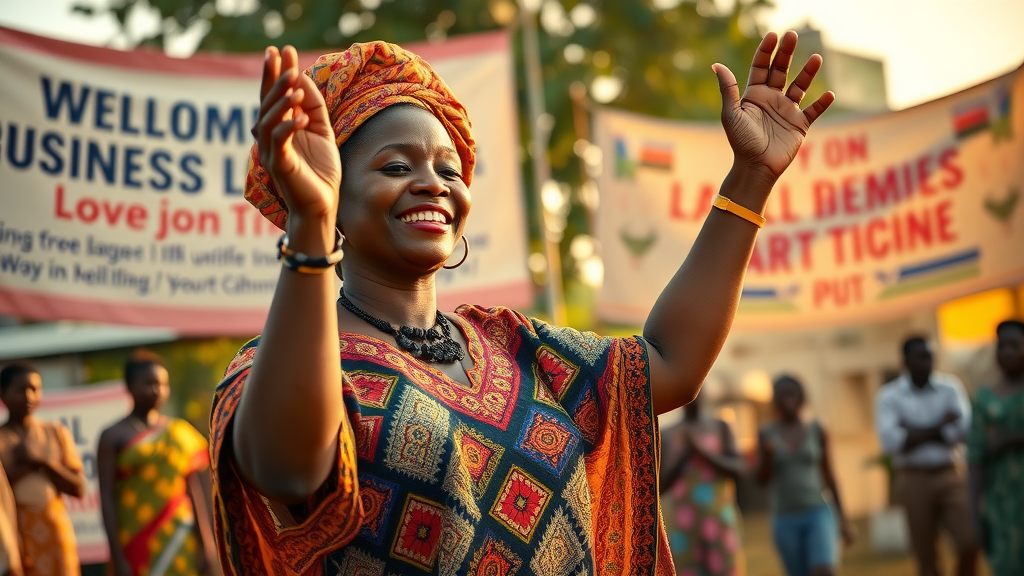
inspiring African women business owners in an urban market setting, business success strategies for African women, confident networking

“Recent studies reveal that African women own 58% of small businesses across Africa—yet less than 10% access formal funding.”

  • Why business success strategies for African women matter now more than ever: Across African countries, women are launching small businesses and making significant economic contributions, yet still face barriers in finance, mentorship, and systemic support.

  • The unique challenges and opportunities for black women & African women business owners: Black women entrepreneurs balance cultural expectations, limited market access, and underrepresentation, especially in the private sector and technology industries, but also lead the way in creating jobs and supporting women in their communities.

  • Setting the stage for effective and actionable strategies: By understanding current trends and leveraging the strengths that African women bring to entrepreneurship, we can foster a thriving business ecosystem that benefits everyone, from individual business owners to African economies as a whole.

The landscape for African women entrepreneurs—and specifically black women business owners—has been evolving steadily. Not only do African women lead globally in business ownership, but they also serve as anchors of economic resilience in their communities. African entrepreneurs, especially women, are at the forefront of grassroots innovation and social change, powering social enterprises and shaping Africa's future. However, the glaring gap in access to funding and business development support persists as one of the most significant obstacles. Understanding these realities is vital for developing successful business strategies tailored for women entrepreneurs.

Essential Business Success Strategies for African Women Entrepreneurs

Adopting a Growth Mindset for Women Business Owners and Female Entrepreneurs

determined African woman entrepreneur planning with a laptop, female entrepreneurs business strategy success

Cultivating a growth mindset is foundational for building a successful business as an African woman entrepreneur. Adopting this mindset means understanding that skills, creativity, and business knowledge can continually evolve through effort, learning, and mentorship. Female entrepreneurs in Africa often face obstacles ranging from cultural barriers to gender bias and a lack of institutional support. However, those who believe in their capacity to grow—despite failures or setbacks—tend to persevere and achieve long-term business success. For black women business owners, especially, maintaining optimism, embracing new learning opportunities, and seeking mentorship are proven strategies that help drive sustainable business growth. Emphasizing continuous improvement is essential not only for personal development but also for constructing resilient, innovative businesses.

Successful women business owners recognize that change is inevitable in the business world. By being flexible, open to feedback, and ready to pivot when necessary, African female entrepreneurs can overcome traditional limitations. For instance, by seeking inspiration from international role models, attending industry conferences, and participating in business training programs, women can expand their horizons, access new markets, and develop solutions tailored to their communities and customers. Ultimately, a growth mindset is what differentiates sustainable business owners from those who are left behind by economic shifts and technological advances.

Building Resilient Networks: Connecting Black Women Entrepreneurs and Women Business Owners

Creating strong networks—locally and globally—is a critical business strategy for African women seeking to transform ideas into thriving enterprises. A resilient network connects women business owners not only to resources, mentorship, and opportunities, but also to role models who inspire persistence. Black women entrepreneurs often find that traditional business communities are not always inclusive, yet digital platforms and women-focused business associations have created new spaces for support. These networks foster an environment where women can exchange business strategies, access capital, and share lessons learned.

Women entrepreneurs who actively participate in business forums, join global women entrepreneur organizations, or contribute to peer-to-peer support groups are far more likely to overcome market barriers and gain confidence as leaders. Additionally, leveraging both in-person and digital networking opportunities ensures that African women remain adaptable and ahead of market trends. African countries now offer specialized programs, such as dedicated mentorship circles and sector-based working groups, to further empower black women business owners and help them gain visibility in the business world.

Leveraging Local and Global Opportunities for African Women in Business

To maximize their success, African women must actively seek and tap into opportunities beyond their immediate communities . Whether it’s accessing cross-border markets, partnering with international startups, or participating in exchange programs, African women business owners can achieve new levels of growth by thinking both locally and globally. These ventures expose female entrepreneurs to different business cultures, innovation models, and funding mechanisms. For example, African women who join global entrepreneur programs often return to their communities equipped with advanced skills and broader networks, fueling further business growth and inspiring other women entrepreneurs.

Opportunities are also rapidly emerging in the digital space. By harnessing e-commerce platforms, social media marketing, and online collaboration tools, black women entrepreneurs can quickly expand their reach and attract global clients, even from rural areas. African governments and private sector organizations are increasingly supporting women entrepreneurs to tap into these resources, offering training, grants, and matchmaking programs that prioritize the unique needs of women business owners. The convergence of local insights and global ambitions is a hallmark of today’s most successful business success strategies for African women.

Practical Tools and Actionable Plans for Women Business Owners and Black Women

Strategic Business Planning: Tailored Approaches for Business Owners

Strategic planning is a cornerstone of successful business for African women entrepreneurs. Tailored business strategies help clarify vision, set measurable goals, and plot realistic growth trajectories. Many black women business owners start by conducting market research, identifying their unique value propositions, and developing detailed business plans that factor in both risks and community needs. As entrepreneurs face dynamic challenges and fierce competition, African women must consistently revisit and refine their plans, ensuring alignment with changing market demands and regulatory frameworks.

Successful strategies also involve scenario planning, where women business owners assess different outcomes and plan for contingencies. Leveraging business management tools, digital calendars, and benchmarking techniques allows African entrepreneurs to track progress, identify gaps, and stay accountable. By regularly reviewing and adjusting these plans, African women enhance their adaptability—an important factor in staying ahead of the competition. Additionally, following practical business templates and case studies from other female entrepreneurs streamlines the process, making it easier for new business owners to avoid costly missteps.

Harnessing Digital Skills and Innovation: Empowering Small Business Success

tech-savvy African women collaborating with digital devices, empowering small business success, women entrepreneurs

In the digital age, mastering digital skills and fostering innovation is essential for African women entrepreneurs who want to fuel small business success. Harnessing technology goes beyond basic digital literacy—it’s about employing digital marketing, adopting e-commerce tools, using financial management apps, and networking on social platforms to reach broader audiences. Many successful black women business owners in Africa attribute rapid growth to leveraging online sales channels, automating business processes, and using data analytics to inform business decisions. Innovation—whether in product design, service delivery, or marketing—can offer a significant advantage, especially for women business owners operating in competitive or underserved markets.

Training and upskilling opportunities are increasingly available, with both non-profit and private sector programs offering courses in web development, mobile apps, and digital entrepreneurship targeted at African women. By investing in digital capacity, female entrepreneurs bridge knowledge gaps and break down geographic barriers, opening doors to global exports and international collaborations. Supporting women in technology is also a direct avenue to achieving gender equality and ensuring that African women are not left behind in Africa’s rapidly digitizing economy.

Navigating Access to Capital and Funding for African Women and Black Women Business Owners

Securing financial support remains the greatest challenge for most African women entrepreneurs. Access to funding for black women business owners is disproportionately low, with many facing rejection from formal banking channels due to lack of collateral, gender bias, or insufficient credit histories. However, innovative solutions are emerging—grant programs, microfinance institutions, angel investor networks, and crowdfunding platforms are beginning to close the funding gap. African governments and global organizations are increasingly launching targeted initiatives to empower female business owners and ensure better representation in the world of finance.

“Access to funding remains the biggest hurdle for most African women entrepreneurs, but innovative digital platforms are closing the gap.”

It’s critical for women entrepreneurs to proactively seek information about these financing opportunities, attend pitch competitions, and partner with women-focused investment groups. Collaboration with other black entrepreneurs, joining local business incubators, and leveraging support programs built for African American women can further unlock funding potential. By understanding the landscape and leveraging digital innovations, African women can successfully secure the capital necessary for sustained business growth.

Role Models and Case Studies: Successful Strategies of Female Entrepreneurs
empowering African woman business leader sharing success, business success strategies for African women case study, inspiring entrepreneurs
  • Black women business owners breaking barriers: Many black entrepreneurs have built multimillion-dollar companies from humble beginnings, defying systemic odds and inspiring others.

  • African women entrepreneurs scaling small businesses from grassroots to global: Success stories include women-led agribusinesses, tech start-ups, and creative enterprises reaching international clients.

  • Inspiring lessons from top women business owners: Resilience, community support, and relentless self-investment are recurring themes among Africa’s most influential female entrepreneurs.

Learning from real-life success stories is a powerful way to spark innovation and resilience among aspiring women business owners. Many African women entrepreneurs credit their breakthroughs to leveraging networks, maintaining discipline, and embracing mentorship from other female and black women entrepreneurs. From building household brands in fashion and tech, to introducing disruptive solutions in education and health, these women demonstrate that effective business success strategies often start with grassroots ambition and are scaled up through global thinking. By studying their journeys, women business owners can adapt proven strategies to local contexts—empowering Africa’s next generation of entrepreneurs.

Insights from Dissertations and Doctoral Studies: Evidence-Backed Tactics for Women Entrepreneurs

Walden Dissertations and Doctoral Research: Lessons for Women Business Owners

Walden dissertations and doctoral research offer a data-driven perspective on what works for African women in business. Studies consistently highlight the importance of targeted mentorship, business education, and institutional support in overcoming obstacles faced by female entrepreneurs and business owners. For instance, research reveals that business owners who participate in women-led accelerator programs or receive structured training from experienced mentors report higher rates of success. Findings from doctoral studies reinforce the need for individualized business strategies and ongoing skills development specifically tailored to black women business owners and women entrepreneurs in Africa.

Such research also underscores the need for advocacy—pushing for changes in policy, addressing gender equality, and expanding access to digital platforms. The successful strategies documented in academic projects are invaluable for shaping national entrepreneurship programs, private sector investment priorities, and even guiding how global organizations support African female entrepreneurs. For every business owner, learning from proven best practices and evidence-backed methods is crucial for building resilient, effective enterprises.

Academic Findings: Overcoming Challenges for Black Women Business Owners and Female Entrepreneurs

Doctoral studies conducted in Africa and among African American women business owners have uncovered several key factors for long-term success. Access to capital, participation in business development training, and integration into established industry networks are critical variables for scaling a business. These academic findings validate what many women entrepreneurs face—the necessity to combine strategic planning, social support, and digital innovation to succeed in competitive markets.

By documenting the real challenges and the solutions that have worked—such as digital upskilling, advocacy networks, and alternative financing options—dissertations and doctoral research inform both grassroots action and government policy. The stories of black women entrepreneurs breaking through these barriers offer not only inspiration but also practical roadmaps for overcoming entrenched challenges in the African business ecosystem.

People Also Ask About Business Success Strategies for African Women

What are the most common obstacles faced by African women in business?

African women business owners often grapple with limited access to funding, cultural expectations, lack of mentorship, and market barriers, but targeted business success strategies can help overcome these obstacles.

How can African women entrepreneurs build lasting networks?

Engaging in local business groups, joining global women entrepreneur associations, and leveraging digital communities are proven ways African women can create resilient support networks.

What funding opportunities exist for black women business owners in Africa?

There are increasing grants, microfinance programs, angel investment networks, and government initiatives aimed at supporting black women business owners and small business innovation.

Video interviews highlighting the experiences, insights, and advice from leading African women entrepreneurs. Showcases real business environments and provides motivational storytelling for aspiring business owners.

This video provides a step-by-step breakdown of financing options, application processes, and tips to secure funding specifically tailored for black women business owners in Africa.

Actionable Lists: Steps to Implement Business Success Strategies for African Women

motivated African women entrepreneurs reviewing business success strategies, animated group planning checklist
  1. Identify unique strengths and business opportunities

  2. Set measurable business growth goals

  3. Build and nurture a support network

  4. Invest in digital literacy and technology

  5. Pursue ongoing mentorship and community engagement

  6. Access diverse funding options and partnerships

Comparison Table: Effective Versus Ineffective Strategies for Women Business Owners

Strategy

Effective for African Women?

Risks/Barriers

Example or Result

Building support networks

Yes

Initial trust barriers

Business owners access mentorship and new markets

Ignoring digital tools

No

Lost business opportunities

Competitors gain market share via online sales

Accessing grant funding

Yes

Bureaucratic processes, competition

Scaling growth in small business, increased capital

Solo decision-making

No

Isolation, lacking accountability

Missed opportunities, business decline

Ongoing learning & innovation

Yes

Time investment

Adapting to business trends, sustained growth

Enduring Quotes from Leading Black Women Entrepreneurs

"We are not waiting for permission. We are leading by example." – A prominent African entrepreneur
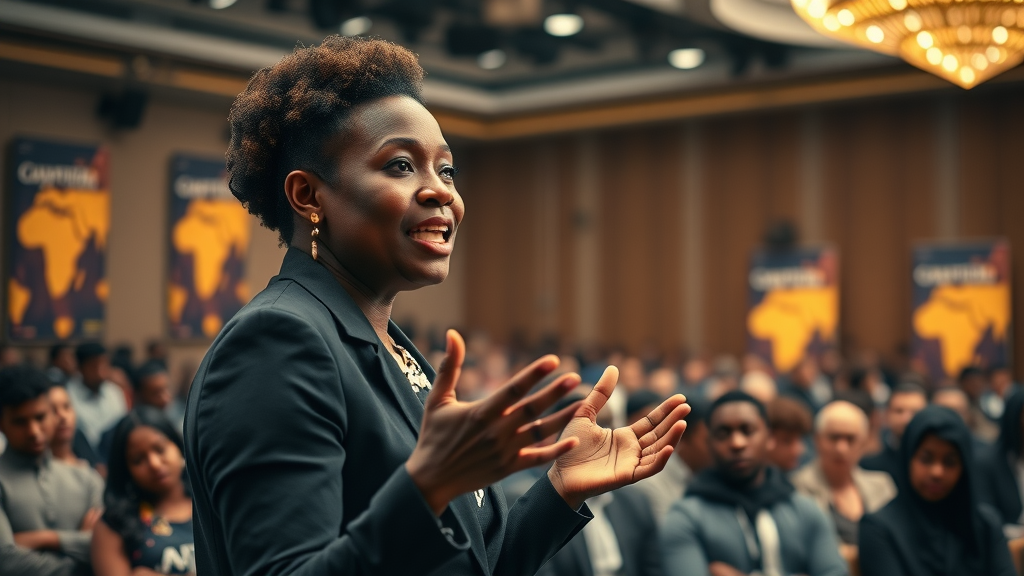
visionary African woman CEO inspiring entrepreneurs with business success strategies, empowering women business owners

Frequently Asked Questions on Business Success Strategies for African Women

  • How can first-time business owners access mentorship in Africa? Many organizations and NGOs in Africa, such as She Leads Africa and the African Women’s Development Fund, offer mentorship programs. Joining local business associations and online platforms can connect you with experienced mentors.

  • What role does technology play in helping small business growth for women entrepreneurs? Technology bridges market gaps, expands reach, and increases efficiency. Digital payments, social media marketing, and e-commerce enable women business owners to scale rapidly and reach global markets.

  • Which resources and platforms best support African women business owners? Key resources include women-focused funding portals (e.g., the African Women Entrepreneurship Cooperative), business incubators, online learning platforms, and regional development agencies supporting women in Africa.

Key Takeaways: What Every Rising African Woman Entrepreneur Needs to Remember

  • Leverage your network and local communities

  • Stay agile and continuously seek knowledge

  • Embrace digital tools and innovation

  • Never underestimate your value as an African woman in business

Building the Future: How to Apply Business Success Strategies for African Women Today

Embrace proven business success strategies for African women to advance your entrepreneurial journey, challenge the status quo, and become a visible leader in Africa’s evolving business landscape. Connect, take action, and be the inspiration for the next generation!

To further enhance your understanding of effective business strategies for African women entrepreneurs, consider exploring the following resources:

  • “Business Networking Tips for African Women Entrepreneurs” : This article offers practical advice on building strong networks, a crucial element for business success. It emphasizes setting clear networking goals and engaging with communities that align with your business aspirations. Access the full article here: ( just4womenafrica.com )

  • “Supporting Female Entrepreneurship In South Africa: Strategies For Success” : This piece outlines various strategies to support female entrepreneurs, including alternative financing models, mentorship programs, and skills development initiatives. It provides actionable steps to overcome common challenges faced by women in business. Read more at: ( kashgain.net )

These resources offer valuable insights and practical strategies to empower African women in their entrepreneurial journeys.


SHE Strategies

0 Comments

Write A Comment

*
*
Please complete the captcha to submit your comment.
Related Posts All Posts
08.28.2026

Aesthetic Guidelines for Elite Brand Representation of African Women Founders

In today’s rapidly evolving digital marketplace, brand aesthetics African women founders embody are no longer optional but crucial strategic assets. This comprehensive guide uncovers the visual, cultural, and tonal standards essential for authentic, elegant, and authoritative brand presence. As The SHE E-Boss, founder of The Personal Brand Africa, emphasizes, cultivating a dignified and clear professional identity helps African women founders break through market noise and secure lasting trust both offline and online. Understanding the Strategic Importance of Brand Aesthetics African Women Founders The evolving role of professional identity in market survival How brand aesthetics serve as a core strategic asset The impact of digital transformation on brand perception The landscape for African women founders is transforming profoundly. Professional identity is no longer just about how a business looks or markets itself superficially; it is now a fundamental part of market survival. In an era saturated with technological shifts and fierce competition, founders must embrace brand aesthetics African women founders wield as a powerful strategic asset. Visuals, colors, and the tone their brands communicate consistently articulate their core values and create trust. Moreover, the move towards digital platforms means that a founder’s brand is often first encountered through algorithms and AI-driven intermediaries. This shift means that the way your brand is represented online can make or break trust, even before a personal connection forms. "Brand aesthetics for African women founders is no longer a luxury but the foundation of business longevity in a noisy, tech-driven marketplace," explains The SHE E-Boss, founder of The SHE E-Boss Solutionists. Recognizing this allows founders to prioritize long-term, authentic brand building over quick-fix marketing tactics. For founders seeking inspiration on how personal journeys and milestones can shape a brand’s narrative, the story shared in Thirty Years This March offers a compelling example of legacy, resilience, and the power of authentic storytelling within the African business landscape. Key Elements of Brand Aesthetics African Women Founders Must Embrace Color Palette: Royal navy blue, regal golden yellow, cream/off-white for authority and elegance Artistic Markers: Scrolls, elegant borders, watercolors, fine pencil art strokes Cultural Context: Authentic, dignified representation of professional African women By integrating specific visual elements, African women founders convey an elite professional image that resonates with trust and cultural authenticity. The recommended color palette of royal navy blue, regal golden yellow, and cream or off-white communicates both authority and elegance, creating an immediate sense of reliability and sophistication. Alongside colors, artistic markers such as scrolls, elegant borders, watercolor effects, and delicate pencil strokes embed a refined and cultural artistic identity that distinguishes these brands. It reflects professionalism and respect for heritage, steering clear of Western-centric stereotypes. Finally, the cultural context must emphasize authentic African representation, showing professional women in dignified, relatable ways. This ensures branding that speaks truthfully to African audiences and their diaspora, reinforcing both identity and pride in a competitive market. The Six Paths Framework: Tailoring Brand Aesthetics African Women Founders to Growth Stages The Emerging and Overwhelmed: Navigating rapid technological change The Well-Established: Protecting legacy and identity Four Additional Strategic Self-Selection Paths for scaling and identity preservation Not all founders are at the same stage of their business journey, and brand aesthetics African women founders adopt must respect this diversity. The Six Paths Framework offers a personalized roadmap to help each founder select a brand aesthetic strategy that aligns with her current needs. For example, those just emerging face pressures of fast-changing tech landscapes and market noise. They require support that balances innovation with clarity. Conversely, well-established founders focus intensely on legacy protection, ensuring their identity remains robust and unaltered when facing increasing digital intermediaries and scaling requirements. According to The SHE E-Boss, "The Six Paths framework empowers African women founders to select a brand aesthetic journey that aligns with their unique growth stage and identity needs. " Tonal Sovereignty: Crafting a Warm, Honest, and Affirming Brand Voice Avoiding fear-based messaging and lecturing Creating psychological safety for authentic narrative definition Maintaining consistency between visual aesthetics and tonal authority Beyond visuals, the voice of the brand — its tone — is essential for connection and trust. African women founders must assert tonal sovereignty, maintaining a warm, honest, and affirming narrative that empowers rather than lectures or induces fear. This approach fosters psychological safety, inviting genuine engagement from clients and partners. Consistency between the brand’s visual elements and its verbal communication builds a holistic perception of authority and authenticity. This harmony between look and voice reinforces trust and helps the founder control her narrative, even when machine algorithms interpret and present her brand digitally. Documenting the Brand Soul: The Survival Strategy for Brand Aesthetics African Women Founders Translating visceral human experience into documented text Ensuring digital systems faithfully represent the founder’s unique identity Building a digital legacy that bridges physical and virtual brand presence The most critical challenge in today’s AI-driven economy is bridging the gap between in-person warmth and machine representation. African women founders safeguard their uniqueness by documenting their brand soul — transforming their visceral human experience into clear, machine-readable narratives, ensuring AI systems represent them faithfully. This documentation acts as a digital handshake, preserving trust and personality across online platforms. It prevents AI from defaulting to generic or diluted descriptions, ensuring that the business’s true identity shines through in every encounter. This practice is key for building a lasting digital legacy that honors the founder’s authentic presence. Common Misconceptions and Challenges in Brand Aesthetics African Women Founders Face Misunderstanding the role of aesthetics as superficial rather than strategic Underestimating the impact of AI and digital intermediaries on brand identity Neglecting the importance of cultural authenticity in visual representation A common pitfall is viewing brand aesthetics as merely decorative or superficial, rather than recognizing its strategic necessity for market survival. African women founders often underestimate how significantly AI shapes public perception, risking their identity being reduced or misrepresented without proper documentation and authentic visuals. Moreover, there is the challenge of avoiding Western-centric or caricatured imagery, which dilutes the power of authentic African representation. Maintaining cultural authenticity in brand aesthetics is not only a matter of pride but also a critical trust-building element with professional networks and clientele. Actionable Tips for African Women Founders to Enhance Brand Aesthetics Develop a clear, documented brand soul narrative Adopt the recommended color palettes and artistic markers Engage with frameworks like the Six Paths to customize brand growth Maintain tonal sovereignty in all communications Brand Element Description Strategic Benefit Color Palette Royal navy blue, regal golden yellow, cream/off-white Conveys authority and elegance Artistic Markers Scrolls, borders, watercolors, pencil strokes Signals refined artistry and cultural authenticity Tonal Sovereignty Warm, honest, affirming voice Builds trust and psychological safety Documentation Written brand soul narrative Ensures accurate digital representation People Also Ask What are the essential colors for brand aesthetics African women founders should use? Royal navy blue, regal golden yellow, and cream or off-white are recommended to establish authority and elegance. How can African women founders protect their brand identity in the digital age? By documenting their brand soul narrative to ensure AI and digital systems represent their unique identity accurately. What is tonal sovereignty and why is it important? Tonal sovereignty is maintaining a warm, honest, and affirming brand voice that empowers founders to define their narrative without fear-based messaging. Key Takeaways Brand aesthetics are a strategic asset critical for African women founders’ market survival. Authentic cultural representation strengthens brand trust and authority. Documenting the brand soul bridges human experience with digital representation. Tonal sovereignty fosters psychological safety and authentic communication. The Six Paths framework offers tailored brand growth strategies. Conclusion: Securing a Lasting Legacy Through Thoughtful Brand Aesthetics The SHE E-Boss of The SHE E-Boss Solutionists concludes, "By deliberately crafting and documenting their brand aesthetics, African women founders ensure their legacy is recognized and respected both in person and by the digital systems shaping the future. " Embrace a dignified, unhurried approach to brand building. Translate your unique business soul into clear, machine-readable narratives. Align visual and tonal elements to reflect elite professional standards. Discover The She Evolves News media Channel https://sheevolves.africa/news As you continue to refine your brand’s visual and narrative identity, consider exploring the broader journey of African women leaders and the milestones that shape their professional legacies. Stories like Thirty Years This March provide valuable perspective on resilience, growth, and the enduring impact of authentic leadership. Delving into these narratives can inspire new strategies for building a brand that not only stands out visually but also resonates deeply with your audience and leaves a lasting mark in your industry.

08.28.2026

Building a Brand Soul: The Key to Digital Survival for African Women Entrepreneurs

In today’s rapidly evolving digital economy, African women entrepreneurs face unprecedented challenges. The sheer volume of online noise and the rise of AI-driven platforms mean that how a business’s identity is perceived and communicated has never been more critical. Imagine initiating a new client relationship where the first impression is no longer a firm handshake but an AI-generated message. This scenario underscores the urgent need to cultivate and document a brand soul—a powerful, authentic professional identity that ensures lasting trust and visibility across digital and human realms. The SHE E-Boss, founder of The SHE E-Boss Solutionists and The Personal Brand Africa, emphasizes that in these turbulent times, “For the modern founder, her professional identity is the anchor that maintains her position in an era of volatility. ” This article reveals how African women entrepreneurs can strategically nurture their brand soul to secure their legacy and thrive in the AI era. Understanding the Strategic Weight of Brand Soul for African Women Entrepreneurs Definition of brand soul as a core strategic asset The shift from marketing aesthetics to identity as a business longevity foundation The importance of professional identity in a crowded, digital-first marketplace For African women entrepreneurs, the concept of brand soul transcends traditional marketing tactics. It represents the essence and integrity of their professional identity, serving as a core strategic asset vital for business survival in a world saturated with noise and technological disruption. Rather than viewing brand identity as mere aesthetics or superficial messaging, it is now the foundational element upon which longevity and success are built. In today’s digital-first economy, where consumers encounter businesses through search engines and AI algorithms before any personal interaction, authenticity and clarity in professional identity are non-negotiable. The SHE E-Boss articulates this sentiment, saying, “For the modern founder, her professional identity is the anchor that maintains her position in an era of volatility. ” This anchor steadies businesses against the winds of change and positions them as trusted, reliable partners to their favored customers. Indeed, professional identity's strategic weight lies in its ability to answer the timeless commercial question: “Who are you, and can I trust you?” In a digital marketplace crowded with countless voices, a founder’s brand soul must resonate so clearly that it forms the basis of trust and preference for loyal customers and peers. As you consider the importance of documenting your brand soul, it’s valuable to reflect on real-world journeys of African women entrepreneurs who have navigated decades of change. For instance, the story shared in Thirty Years This March offers a personal perspective on resilience and legacy-building, underscoring how sustained identity work shapes long-term business survival. Five Reasons Why Brand Soul is Essential for Women of Color Entrepreneurs It answers the fundamental question: “Who are you, and can I trust you?” It transforms visceral customer experiences into a documented narrative It prevents generic digital representation by AI and search algorithms It ensures consistent brand presence across all digital and physical touchpoints It protects and amplifies the founder’s unique identity in elite professional networks A thriving brand soul enables women of color entrepreneurs to captivate their audience beyond mere words. It starts by answering the ancient but crucial question customers ask – “Who are you, and can I trust you?” This trust emerges from more than claims; it grows from the lived experience and emotions customers associate with the brand. By carefully documenting these authentic experiences and translating them into stories and narratives, a business creates a rich, identifiable brand presence. This narrative precision is vital in preventing AI algorithms from reducing the brand to generic, uninspired content that erases uniqueness. Moreover, a well-articulated brand soul guarantees continuity. Whether a client interacts with a founder in person, visits their website, or discovers them via AI-driven platforms, the brand’s identity remains consistent and authoritative. This authenticity solidifies the founder's reputation within exclusive networks, reinforcing their professional stature and safeguarding their legacy. The Role of Brand Soul in Navigating Social Media and Digital Platforms How AI and algorithms mediate first impressions online Risks of undocumented professional identity leading to diluted brand presence Strategies to document and communicate brand soul effectively for social media Today, AI and social media algorithms often serve as the initial interface between a business and its prospective clients. Instead of meeting face-to-face, the first impression is mediated by machine-driven content curation, search results, and automated responses, which may lack the warmth and nuance of human interaction. Without a clearly documented brand soul, a business risks being represented by generic and inadequate descriptions. This dilution can hinder trust-building and lead to missed opportunities. African women entrepreneurs must therefore proactively communicate their authentic stories and values in digital content to ensure algorithms propagate their true essence, not a bland placeholder. Effective strategies include consistently sharing testimonials, curating culturally authentic visuals, maintaining tonal consistency across posts, and explicitly recording brand narratives that AI can learn from and amplify. This approach ensures that every digital touchpoint reflects the genuine identity of the founder’s business. Seven Steps to Documenting Your Brand Soul as an African Woman Entrepreneur Identify your favored customers and capture their authentic testimonials Translate visceral customer experiences into clear, written narratives Define your brand’s tonal sovereignty with warm, honest, and affirming language Align visual aesthetics with cultural authenticity and elite professional standards Incorporate artistic markers such as royal navy blue and regal golden yellow palettes Reject Western-centric caricatures in favor of dignified African representation Regularly update your brand soul documentation to reflect growth and evolution Effective documentation transforms intangible qualities into powerful, shareable assets. Begin by engaging your most loyal customers —those whose patronage and enthusiasm lift your brand organically. Their testimonials offer raw, authentic insight into how your brand impacts real lives. Next, craft these emotional and experiential stories into written narratives that capture the heart and spirit of your business. These narratives should embrace tonal sovereignty: adopting warm, honest, and empowering language, free from fear or pressure. This language creates psychological safety and invites genuine connections. Visual identity must complement your verbal story. Use color palettes like royal navy blue and regal golden yellow, which convey authority and elegance. Your images should celebrate true African professionalism and cultural heritage, avoiding generic or Western-centered imagery that fails to reflect your ethos. As The SHE E-Boss explains, “Documentation is the tool that transforms a physical handshake into a digital legacy, ensuring your business is recognized as 'somebody' rather than a mere entry in a database. ” This step is crucial in protecting your brand’s uniqueness and ensuring it endures digital evolution. Visual and Tonal Guidelines for Building a Luxury Brand Identity Use of color palettes: royal navy blue, regal golden yellow, cream/off-white Incorporation of scrolls, elegant borders, and fine pencil art strokes Commitment to authentic imagery of professional African women Maintaining tonal sovereignty with non-fear-based, empowering messaging Building a luxury brand identity demands attention to both visual and tonal elements. Employing a refined color scheme of navy blue, regal gold, and cream creates an impression of sophistication and professionalism that resonates within elite networks. Artistic markers such as fine pencil strokes or elegant border designs add to the narrative of craftsmanship and care. Importantly, visual representation must respect cultural authenticity. Featuring professional African women in realistic, dignified portrayals strengthens connection and counters stereotypical or Westernized depictions commonly found online. This strengthens brand trust and elevates perception. Tonal sovereignty is equally important. Brands should adopt sincere and affirmative communication styles that empower founders and audiences alike. Avoiding fear-driven or lecture-style messaging creates a safe psychological space where brand stories resonate deeply and build loyalty. Navigating the Six Paths of Challenge for Women Entrepreneurs The Emerging and Overwhelmed: Managing rapid technological change The Well-Established: Protecting legacy and deepening identity Four additional pathways tailored to scaling and identity preservation Each African woman entrepreneur’s journey is unique, and their challenges vary with their business stage. The Six Paths framework enables founders to self-select a tailored approach. For the Emerging and Overwhelmed founder, the rapid pace of tech innovation and market noise can feel disorienting. Brand soul building here requires careful pacing and simplified strategies. Well-Established entrepreneurs face different pressures; the challenge is safeguarding hard-earned reputations from dilution by AI intermediaries or generic branding. Deepening and documenting identity ensures the founder’s legacy remains intact and respected. The additional four pathways address issues like scaling sustainably, preserving uniqueness amid global competition, reinforcing elite professional presence, and evolving brand narratives in line with business growth. This strategic flexibility respects founders’ sovereignty over their identity journey. Common Misconceptions About Brand Soul Among Black Women Entrepreneurs Brand soul is not just a marketing luxury but a survival strategy Digital presence without documented identity leads to erasure Authentic representation requires cultural specificity, not generic templates Despite its importance, many misconceptions surround the idea of a brand soul. Some mistakenly perceive it as an optional marketing add-on rather than a necessary survival strategy in the digital and AI era. This misunderstanding risks leaving vital aspects of a business’s identity undocumented, inviting misrepresentation. Another common fallacy is believing that an online presence alone suffices. Without careful documentation of identity, businesses risk erasure through generic digital algorithms that cannot convey uniqueness. The result is invisibility amid the crowded marketplace. Finally, authentic representation is not about adopting broad templates that ignore rich cultural heritage. Instead, true brand soul requires embracing and showcasing cultural specificity intrinsic to African women entrepreneurs to build trust and emotional connection with audiences globally. People Also Ask Who are some famous Black female entrepreneurs? Famous Black female entrepreneurs include icons like Oprah Winfrey, the media mogul and philanthropist; Rihanna, whose Fenty brand revolutionized cosmetics and fashion inclusivity; and Madam C. J. Walker, regarded as America’s first self-made female millionaire for her hair care empire. Each has built powerful brand souls reflecting their vision and authenticity. Who are some successful female South African entrepreneurs? South Africa boasts successful female entrepreneurs such as Dr. Precious Moloi-Motsepe, founder of African Fashion International; Rapelang Rabana, tech innovator and founder of Rekindle Learning; and Basetsana Kumalo, media personality and businesswoman. They exemplify strong brand soul in their respective industries. Who are the top 10 female entrepreneurs? While ranking may vary by criteria, notable female entrepreneurs globally often cited include Sara Blakely (Spanx founder), Whitney Wolfe Herd (Bumble founder), Anne Wojcicki (23andMe founder), and Jessica Alba (The Honest Company founder). African women entrepreneurs are increasingly joining such ranks, crafting impactful and authentic brand souls. Who are some examples of Black female CEOs in South Africa? Examples include Phuthi Mahanyele-Dabengwa, CEO of Naspers South Africa; Basani Maluleke of ANS Capital; and Siza Mzimela, former CEO of South African Airways. Their leadership showcases the power of owning a distinct and authoritative professional identity in competitive markets. Key Takeaways Brand soul is a vital strategic asset for African women entrepreneurs in the digital era Documenting professional identity prevents generic AI misrepresentation Authentic, culturally aligned visual and tonal branding enhances trust and legacy Navigating identity challenges requires deliberate, unhurried brand building Empowerment comes from owning and articulating your unique business narrative Conclusion: Securing Your Legacy Through Brand Soul To survive and thrive in the AI-driven business world, African women entrepreneurs must intentionally translate their unique brand experiences into documented, authentic legacies that machines and humans alike recognize and respect. If you’re inspired to deepen your understanding of legacy, resilience, and the evolution of women’s entrepreneurship, exploring stories like Thirty Years This March can offer invaluable perspective. These narratives not only highlight the enduring power of a well-defined brand soul but also provide practical wisdom for navigating change over decades. By learning from the lived experiences of pioneering women, you can uncover advanced strategies for sustaining your business identity and impact. Let these journeys motivate you to refine your own brand story and secure your place in the digital future. Discover The She Evolves News media Channel: https://sheevolves.africa/news Sources https://www.lionessesofafrica.com/blog/2016/3/12/meet-28-african-women-entrepreneurs-changing-the-face-of-the-beauty-and-wellness-industryhttps://www.refinery29.com/en-us/black-women-entrepreneur-business-tipshttps://thestoryexchange.org/inspiration-black-women-entrepreneurs-the-story-exchange/https://www.createcultivate.com/blog/black-female-entrepreneurs-you-should-knowhttps://www.wbenc.org/programs/women-of-color-program/

08.26.2026

Insights from African Business Leaders on Building Trust in a Changing World

Building trust in African business remains the cornerstone of successful enterprise, transcending the rise of digital tools and technological advances. As the business landscape evolves with the advent of AI and global interconnectedness, the foundation laid by personal connection and mutual respect stays unshaken. This article delves deeply into how African business leaders continue to uphold trust as the most valuable currency, offering insightful perspectives for entrepreneurs navigating today’s business world.The Timeless Foundation of Building Trust in African BusinessThe Handshake: More Than a GestureIn African business culture, the handshake is far more than a mere formality; it is a powerful symbol of respect, honesty, and the personal bond between individuals. "Before any of this, before AI, before search, before a single tool had a name, business here has always started the same way. Belly to belly. Eye to eye. A hand extended, and trust passing between two people in a single moment," explains The Meridian Founder of The Personal Brand Africa. This foundational gesture encapsulates the human connection that binds business partners and sets the stage for mutual understanding and collaboration.This act reinforces the vital importance of face-to-face interaction in establishing credibility. The handshake transcends simple introduction; it embodies the trust that each party extends to the other, making it the very first step in sustainable business relationships across the continent. Trust that begins with a handshake carries forward through every interaction, contract, and partnership that follows.“Before any of this, before AI, before search, before a single tool had a name, business here has always started the same way. Belly to belly. Eye to eye. A hand extended, and trust passing between two people in a single moment.” — African Business LeaderTrust as the Cornerstone of African Business CultureTrust is deeply woven into the fabric of African business culture. Personal relationships and community ties often dictate the success of business ventures far more than contractual agreements alone. In many African settings, business is conducted not just as a transaction but as a relationship with ongoing dialogue and mutual support. It reflects a culture that values integrity, respect, and commitment above all else.Moreover, trust within African business ecosystems encourages transparency and ethical practices that foster longevity and growth. Companies and entrepreneurs earn respect and loyalty when they honour their commitments and build a reputation as reliable partners. Such cultural underpinnings have proven essential, particularly in environments where regulatory frameworks may still be developing and where interpersonal confidence ensures business stability.Evolving Business Relationships in Africa: Navigating Change While Building Strong FoundationsThe New Generation of African FoundersA fresh wave of entrepreneurs is reshaping the future of African business. The Meridian Founder highlights this shift: “There is a new kind of founder rising across Africa and the diaspora right now. Not louder. Not more performative. Not more obsessed with tools for the sake of tools. Just clearer. More grounded. More trusted. ” These new founders embody a calm, confident approach that balances tradition with modern innovation.Unlike previous generations that might have relied heavily on formal tools or high-profile posturing, today’s entrepreneurs emphasize authenticity and grounded leadership. This evolution reflects a maturing business environment where trust is earned through consistent actions and a clear vision rather than mere appearances. It is a sign of the times—building smartly on the foundation of interpersonal trust, while leveraging technology sensibly.“There is a new kind of founder rising across Africa and the diaspora right now. Not louder. Not more performative. Not more obsessed with tools for the sake of tools. Just clearer. More grounded. More trusted.” — African Business LeaderAs African business leaders strive to balance tradition and innovation, frameworks that empower founders to build and retain ownership are becoming increasingly relevant. For a deeper dive into practical strategies for establishing sovereignty and control in your business journey, explore the Sovereignty Frameworks resource, which offers actionable guidance on building what you truly own.Balancing Tradition and Innovation in African Business CultureAfrican business leaders face the challenge of integrating modern innovations without losing the essence of traditional values that emphasize personal trust and relationship building. This balance is crucial as more businesses adopt digital platforms, AI, and other technological tools to expand their reach and efficiency. Yet, the heart of these relations remains firmly rooted in respect, face-to-face communication, and cultural understanding.Successful African businesses combine the wisdom of heritage with the agility of innovation. For instance, using technology as a complement rather than a replacement for human connection preserves long-term trust. Leaders who honour this balance thrive in both local and international markets by respecting cultural nuances while embracing new opportunities.Key Elements of Building Trust in African Business RelationshipsUnderstanding the Importance of Relationship in African BusinessRelationship-building is central to all commercial interactions within the African context. Unlike transactional models, African business culture prioritises establishing rapport, which develops over time through continuous engagement and mutual understanding. Recognizing the person behind the business fosters empathy, loyalty, and shared success.This strong emphasis on relationships means that trust grows not just from competence but from proven character. Business partners expect transparency, accountability, and respect for cultural traditions. Investing in these interpersonal dynamics reduces misunderstandings and bolsters collaboration amidst economic uncertainties.Strategies to Build Strong and Lasting Business RelationshipsLeaders aiming to enhance their business relationships across Africa should prioritise deliberate and respectful engagement strategies. These include frequent face-to-face meetings, active listening, and sincere communication that honours agreements. Building trust is a gradual process driven by consistent behaviour beyond initial introductions.The Meridian Founder advises, “Everything we are about to talk about begins right there, with you, and the trust you have always known how to build. ” This underlines the individual’s role and responsibility in cultivating trust by being genuine, reliable, and attentive to partners' needs. Practical steps involve following up on commitments, sharing decision-making transparently, and acknowledging cultural sensitivities in every interaction.“Everything we are about to talk about begins right there, with you, and the trust you have always known how to build.” — African Business LeaderCommon Mistakes to Avoid in Building TrustOne of the most frequent errors in African business relationships is underestimating the value of personal context and cultural norms. For example, rushing into digital-only communication without establishing prior in-person trust risks misunderstanding and suspicion. Similarly, failing to respect local customs or neglecting follow-through on promises can severely damage reputations.Other pitfalls include over-reliance on technology without human touch, appearing insincere or performative, and prioritising short-term gains at the expense of long-term trust-building. Genuine success comes from patience, openness, and consistent presence. Avoiding these mistakes ensures lasting partnerships that withstand market fluctuations.Case Studies: Successful Examples of Building Trust in African BusinessLocal and International PartnershipsNumerous successful business ventures in Africa showcase how trust cultivated locally can create robust partnerships internationally. African business leaders often build their reputation within grassroots networks before extending into global markets. Their approach emphasises respect, mutual benefits, and transparent communication with overseas partners.These partnerships thrive when founded on shared values and adaptability. For instance, cross-border collaborations involving knowledge exchange and cultural integration set a precedent for sustainable business models. Trust ensures that businesses can collaborate effectively despite geographical and cultural distances, exemplifying a truly interconnected African business ecosystem.Community-Centered Business ModelsMany African entrepreneurs have driven success by prioritising community engagement and social impact. Business models that invest in local welfare and empowerment foster trust far beyond traditional commerce. Leaders who understand their community’s needs and align their business goals accordingly earn loyalty and advocacy that fuels growth.A prime example includes market leaders who build transparent supply chains with local vendors, ensuring fair practices and open dialogue. This authenticity enhances reputation and attracts support from both local consumers and international stakeholders. Such models demonstrate that trust built on community values is an enduring competitive advantage.Navigating Cultural Nuances: What is Considered Disrespectful in African Business Culture?Understanding cultural sensitivities is vital for anyone looking to build trust in African business environments. Disrespect can arise from ignoring traditional protocols, dismissing local customs, or failing to engage personally with partners. For example, arriving late to meetings, neglecting greetings, or bypassing elders in decision-making are often regarded as rude.Respecting hierarchy, demonstrating humility, and valuing local languages and traditions are key to fostering goodwill. Business leaders who take time to learn and honour cultural nuances build stronger rapport and avoid inadvertent insults that can derail trust. Being mindful of these details shows commitment beyond transactional interests.Frequently Asked Questions About Building Trust in African BusinessWhich business is most profitable in Africa?Profitable business sectors in Africa vary by region but commonly include agriculture, telecommunications, renewable energy, and fintech. These industries respond to local needs and global trends, offering significant growth potential. Entrepreneurs focused on trust and strong community relationships often find greater success in these fields.How do businesses build trust?Businesses build trust through consistent, honest communication, respecting cultural values, fulfilling promises, and fostering genuine relationships beyond transactions. Face-to-face interactions, transparency, and a long-term commitment underpin successful trust-building in African markets.What is considered disrespectful in African culture?Disrespect in African culture includes ignoring traditional greetings, showing impatience, failing to acknowledge elders, and neglecting community protocols. Such behaviours can harm personal and business relationships, underscoring the importance of cultural awareness.What are some grants available for African businesses?Various international and local organisations offer grants aimed at supporting African entrepreneurs, particularly in areas like innovation, women’s empowerment, and sustainable development. Examples include the African Development Foundation grants, the Tony Elumelu Foundation, and sector-specific funds for tech or agriculture.Actionable Tips for Building Trust in African Business TodayPrioritize face-to-face interactions to establish personal connections.Respect cultural traditions and local business etiquette.Communicate transparently and consistently.Invest in long-term relationships rather than short-term gains.Leverage technology as a tool, not a replacement for human connection.Summary of Key Takeaways on Building Trust in African BusinessKey AspectDescriptionExpert InsightHandshake and Personal ConnectionFoundation of trust in African business culture‘A hand extended, and trust passing between two people in a single moment.’New Generation FoundersGrounded, clear, and trusted entrepreneurs‘Not louder. Not more performative. Just clearer. More grounded.’Cultural SensitivityRespecting traditions and avoiding disrespectEssential for lasting relationshipsLong-Term CommitmentBuilding strong, lasting business relationships‘Everything begins with the trust you have always known how to build.’Balancing Tradition and InnovationIntegrating technology without losing personal touchKey to thriving in a changing worldConclusion: Embracing Trust as the Heart of African Business SuccessEmbed trust at every stage of your business journey, honour tradition while embracing innovation, and nurture relationships beyond transactions to secure enduring success in African business.As you continue to refine your approach to trust and relationship-building, consider how broader frameworks can help you future-proof your business in a rapidly evolving landscape. Exploring concepts like sovereignty and ownership can provide a strategic edge, ensuring your enterprise remains resilient and adaptable. For those ready to take the next step and deepen their understanding of building sustainable, self-owned ventures, the Sovereignty Frameworks guide offers advanced insights and practical tools to help you build what you truly own in the age of AI and global change.We invite you to join the conversation about the Founders Readiness pathway, in the Age Of AI: https://The.PersonalBrand.Africa/founder-sole-identity-visitor-spaceSourceshttps://kpakpakpa.com/building-trust-the-key-ingredient-to-business-success-in-africa/https://www.scandafrica.org/insights/why-trust-is-the-foundation-of-international-businesshttps://www.venturesplatform.com/stories/africas-tech-opportunity-building-trust-as-the-catalyst-for-growthhttps://blog.startupstash.com/the-african-way-building-strong-corporate-relationships-through-relationship-management-11f207b70bf6https://www.istanbulafrica.com/navigating-african-business-culture/https://www.nbi.org.za/focus-areas/social-transformation/building-trust-and-accountability/

cropper
update
She E-Boss Diaspora Chronicles

cropper
update

Each month, we take our fellow Africa and Diaspora Women on a journey of discovery with unique themes and curated feeds, empowering each one of you to connect with diverse cultures and inspiring stories that celebrate your womanity and our humanity. Join us and be part of the She E-Boss network and an empowering celebration revolution!

  • update
  • update
  • update
  • update
  • update
  • update
  • update

THE SHE E-BOSS SOLUTIONIST

  • Privacy Policy
  • Terms of Use
  • Advertise
  • Contact Us
  • Menu 5
  • Menu 6

Whatsapp +650-980-9020

AVAILABLE FROM 8AM - 5PM

Africa & Diaspora Network

Discover Our Virtual Academies And Marketing Agencies. Let Us Add Briliance To Your Brand With Our Development Strategies Or
level Up Your 21st Century Digital Tech Frontiers Business Skills
And Personal Growth Mindset

ABOUT OUR MEDIA CHANNEL

Welcome to She E-Boss Cultural Carousel, your ultimate digital media destination for exploring the richness of global celebrations and cultural events. Our platform is dedicated to uncovering  trending news, cuisine, traditions, holidays, and stories from around the world, all through the lens of empowerment, inclusivity, and joy.

© 2026 The SHE E-Boss Solutionist All Rights Reserved. 6749 S. Westnedge Avenue, Suite K-161, Portgage, Michigan 49002 . Contact Us . Terms of Service . Privacy Policy

eyJjb21wYW55IjoiVGhlIFNIRSBFLUJvc3MgU29sdXRpb25pc3QgUG9kY2FzdCIsImFkZHJlc3MiOiIsICwgICIsImNpdHkiOiIiLCJzdGF0ZSI6IiIsInppcCI6IiIsImVtYWlsIjoiY2hhdEBzaGVlYm9zc3NvbHV0aW9uaXN0LmNvbSIsInRvcyI6IlBIQStQSE4wY205dVp6NDhaVzArVjJobGJpQjViM1VnYzJsbmJpMXBiaUIzYVhSb0lIVnpMQ0I1YjNVZ1lYSmxJR2RwZG1sdVp5WnVZbk53T3lCNWIzVnlJSEJsY20xcGMzTnBiMjRnWVc1a0lHTnZibk5sYm5RZ2RHOGdjMlZ1WkNCNWIzVWdaVzFoYVd3Z1lXNWtMMjl5SUZOTlV5QjBaWGgwSUcxbGMzTmhaMlZ6TGlCQ2VTQmphR1ZqYTJsdVp5QjBhR1VnVkdWeWJYTWdZVzVrSUVOdmJtUnBkR2x2Ym5NZ1ltOTRJR0Z1WkNCaWVTQnphV2R1YVc1bklHbHVJSGx2ZFNCaGRYUnZiV0YwYVdOaGJHeDVJR052Ym1acGNtMGdkR2hoZENCNWIzVWdZV05qWlhCMElHRnNiQ0IwWlhKdGN5QnBiaUIwYUdseklHRm5jbVZsYldWdWRDNDhMMlZ0UGp3dmMzUnliMjVuUGp3dmNENEtDanh3UGp4aElHaHlaV1k5SW1oMGRIQTZMeTkzZDNjdVoyOXZaMnhsTG1OdmJTSSthSFIwY0RvdkwzZDNkeTVuYjI5bmJHVXVZMjl0UEM5aFBqd3ZjRDRLQ2p4d1BpWnVZbk53T3p3dmNENEtDanh3UGp4emRISnZibWMrVTBWU1ZrbERSVHd2YzNSeWIyNW5Qand2Y0Q0S0NqeHdQbGRsSUhCeWIzWnBaR1VnWVNCelpYSjJhV05sSUhSb1lYUWdZM1Z5Y21WdWRHeDVJR0ZzYkc5M2N5QjViM1VnZEc4Z2NtVmpaV2wyWlNCeVpYRjFaWE4wY3lCbWIzSWdabVZsWkdKaFkyc3NJR052YlhCaGJua2dhVzVtYjNKdFlYUnBiMjRzSUhCeWIyMXZkR2x2Ym1Gc0lHbHVabTl5YldGMGFXOXVMQ0JqYjIxd1lXNTVJR0ZzWlhKMGN5d2dZMjkxY0c5dWN5d2daR2x6WTI5MWJuUnpJR0Z1WkNCdmRHaGxjaUJ1YjNScFptbGpZWFJwYjI1eklIUnZJSGx2ZFhJZ1pXMWhhV3dnWVdSa2NtVnpjeUJoYm1RdmIzSWdZMlZzYkhWc1lYSWdjR2h2Ym1VZ2IzSWdaR1YyYVdObExpQlpiM1VnZFc1a1pYSnpkR0Z1WkNCaGJtUWdZV2R5WldVZ2RHaGhkQ0IwYUdVZ1UyVnlkbWxqWlNCcGN5QndjbTkyYVdSbFpDQW1jWFZ2ZER0QlV5MUpVeVp4ZFc5ME95QmhibVFnZEdoaGRDQjNaU0JoYzNOMWJXVWdibThnY21WemNHOXVjMmxpYVd4cGRIa2dabTl5SUhSb1pTQjBhVzFsYkdsdVpYTnpMQ0JrWld4bGRHbHZiaXdnYldsekxXUmxiR2wyWlhKNUlHOXlJR1poYVd4MWNtVWdkRzhnYzNSdmNtVWdZVzU1SUhWelpYSWdZMjl0YlhWdWFXTmhkR2x2Ym5NZ2IzSWdjR1Z5YzI5dVlXeHBlbUYwYVc5dUlITmxkSFJwYm1kekxqd3ZjRDRLQ2p4d1BsbHZkU0JoY21VZ2NtVnpjRzl1YzJsaWJHVWdabTl5SUc5aWRHRnBibWx1WnlCaFkyTmxjM01nZEc4Z2RHaGxJRk5sY25acFkyVWdZVzVrSUhSb1lYUWdZV05qWlhOeklHMWhlU0JwYm5admJIWmxJSFJvYVhKa0lIQmhjblI1SUdabFpYTWdLSE4xWTJnZ1lYTWdVMDFUSUhSbGVIUWdiV1Z6YzJGblpYTXNJRWx1ZEdWeWJtVjBJSE5sY25acFkyVWdjSEp2ZG1sa1pYSWdiM0lnWTJWc2JIVnNZWElnWVdseWRHbHRaU0JqYUdGeVoyVnpLUzRnV1c5MUlHRnlaU0J5WlhOd2IyNXphV0pzWlNCbWIzSWdkR2h2YzJVZ1ptVmxjeXdnYVc1amJIVmthVzVuSUhSb2IzTmxJR1psWlhNZ1lYTnpiMk5wWVhSbFpDQjNhWFJvSUhSb1pTQmthWE53YkdGNUlHOXlJR1JsYkdsMlpYSjVJRzltSUdWaFkyZ2dVMDFUSUhSbGVIUWdiV1Z6YzJGblpTQnpaVzUwSUhSdklIbHZkU0JpZVNCMWN5NGdTVzRnWVdSa2FYUnBiMjRzSUhsdmRTQnRkWE4wSUhCeWIzWnBaR1VnWVc1a0lHRnlaU0J5WlhOd2IyNXphV0pzWlNCbWIzSWdZV3hzSUdWeGRXbHdiV1Z1ZENCdVpXTmxjM05oY25rZ2RHOGdZV05qWlhOeklIUm9aU0JUWlhKMmFXTmxJR0Z1WkNCeVpXTmxhWFpsSUhSb1pTQlRUVk1nZEdWNGRDQnRaWE56WVdkbGN5NGdWMlVnWkc4Z2JtOTBJR05vWVhKblpTQmhibmtnWm1WbGN5Qm1iM0lnWkdWc2FYWmxjbmtnYjJZZ1pXMWhhV3dnYjNJZ1UwMVRMaUJVYUdseklHbHpJR0VnWm5KbFpTQnpaWEoyYVdObElIQnliM1pwWkdWa0lHSjVJSFZ6TGlCSWIzZGxkbVZ5TENCd2JHVmhjMlVnWTJobFkyc2dkMmwwYUNCNWIzVnlJR2x1ZEdWeWJtVjBJSE5sY25acFkyVWdjSEp2ZG1sa1pYSWdZVzVrSUdObGJHeDFiR0Z5SUdOaGNuSnBaWElnWm05eUlHRnVlU0JqYUdGeVoyVnpJSFJvWVhRZ2JXRjVJR2x1WTNWeUlHRnpJR0VnY21WemRXeDBJR1p5YjIwZ2NtVmpaV2wyYVc1bklHVnRZV2xzSUdGdVpDQlRUVk1nZEdWNGRDQnRaWE56WVdkbGN5QjBhR0YwSUhkbElHUmxiR2wyWlhJZ2RYQnZiaUI1YjNWeUlHOXdkQzFwYmlCaGJtUWdjbVZuYVhOMGNtRjBhVzl1SUhkcGRHZ2diM1Z5SUdWdFlXbHNJR0Z1WkNCVFRWTWdjMlZ5ZG1salpYTXVJRmx2ZFNCallXNGdZMkZ1WTJWc0lHRjBJR0Z1ZVNCMGFXMWxMaUJLZFhOMElIUmxlSFFnSm5GMWIzUTdVMVJQVUNaeGRXOTBPeUIwYnladVluTndPenhvYVdkb2JHbG5hSFFnWTJ4aGMzTTlJbU52YlhCaGJubFRUVk5RYUc5dVpWVndaR0YwWlNJK2JuVnNiRHd2YUdsbmFHeHBaMmgwUGk0Z1FXWjBaWElnZVc5MUlITmxibVFnZEdobElGTk5VeUJ0WlhOellXZGxJQ1p4ZFc5ME8xTlVUMUFtY1hWdmREc2dkRzhnZFhNc0lIZGxJSGRwYkd3Z2MyVnVaQ0I1YjNVZ1lXNGdVMDFUSUcxbGMzTmhaMlVnZEc4Z1kyOXVabWx5YlNCMGFHRjBJSGx2ZFNCb1lYWmxJR0psWlc0Z2RXNXpkV0p6WTNKcFltVmtMaUJCWm5SbGNpQjBhR2x6TENCNWIzVWdkMmxzYkNCdWJ5QnNiMjVuWlhJZ2NtVmpaV2wyWlNCVFRWTWdiV1Z6YzJGblpYTWdabkp2YlNCMWN5NDhMM0ErQ2dvOGNENDhjM1J5YjI1blBsbFBWVklnVWtWSFNWTlVVa0ZVU1U5T0lFOUNURWxIUVZSSlQwNVRQQzl6ZEhKdmJtYytQQzl3UGdvS1BIQStTVzRnWTI5dWMybGtaWEpoZEdsdmJpQnZaaUI1YjNWeUlIVnpaU0J2WmlCMGFHVWdVMlZ5ZG1salpTd2dlVzkxSUdGbmNtVmxJSFJ2T2p3dmNENEtDanh2YkQ0S0NUeHNhVDV3Y205MmFXUmxJSFJ5ZFdVc0lHRmpZM1Z5WVhSbExDQmpkWEp5Wlc1MElHRnVaQ0JqYjIxd2JHVjBaU0JwYm1admNtMWhkR2x2YmlCaFltOTFkQ0I1YjNWeWMyVnNaaUJoY3lCd2NtOXRjSFJsWkNCaWVTQjBhR1VnVTJWeWRtbGpaU1lqTXprN2N5QnlaV2RwYzNSeVlYUnBiMjRnWm05eWJTQW9jM1ZqYUNCcGJtWnZjbTFoZEdsdmJpQmlaV2x1WnlCMGFHVWdKbkYxYjNRN1VtVm5hWE4wY21GMGFXOXVJRVJoZEdFbWNYVnZkRHNwSUdGdVpEd3ZiR2srQ2drOGJHaytiV0ZwYm5SaGFXNGdZVzVrSUhCeWIyMXdkR3g1SUhWd1pHRjBaU0IwYUdVZ1VtVm5hWE4wY21GMGFXOXVJRVJoZEdFZ2RHOGdhMlZsY0NCcGRDQjBjblZsTENCaFkyTjFjbUYwWlN3Z1kzVnljbVZ1ZENCaGJtUWdZMjl0Y0d4bGRHVXVJRWxtSUhsdmRTQndjbTkyYVdSbElHRnVlU0JwYm1admNtMWhkR2x2YmlCMGFHRjBJR2x6SUhWdWRISjFaU3dnYVc1aFkyTjFjbUYwWlN3Z2JtOTBJR04xY25KbGJuUWdiM0lnYVc1amIyMXdiR1YwWlN3Z2IzSWdkMlVnYUdGMlpTQnlaV0Z6YjI1aFlteGxJR2R5YjNWdVpITWdkRzhnYzNWemNHVmpkQ0IwYUdGMElITjFZMmdnYVc1bWIzSnRZWFJwYjI0Z2FYTWdkVzUwY25WbExDQnBibUZqWTNWeVlYUmxMQ0J1YjNRZ1kzVnljbVZ1ZENCdmNpQnBibU52YlhCc1pYUmxMQ0IzWlNCb1lYWmxJSFJvWlNCeWFXZG9kQ0IwYnlCemRYTndaVzVrSUc5eUlEeHpkSEp2Ym1jK1BITndZVzRnYzNSNWJHVTlJbU52Ykc5eU9pTkdSakF3TURBN0lqNTBaWEp0YVc1aGRHVWdlVzkxY2lCaFkyTnZkVzUwTDNCeWIyWnBiR1VnWVc1a0lISmxablZ6WlNCaGJua2dZVzVrSUdGc2JDQmpkWEp5Wlc1MElHOXlJR1oxZEhWeVpTQjFjMlVnYjJZZ2RHaGxJRk5sY25acFkyVWdLRzl5SUdGdWVTQndiM0owYVc5dUlIUm9aWEpsYjJZcExqd3ZjM0JoYmo0OEwzTjBjbTl1Wno0OEwyeHBQZ284TDI5c1Bnb0tQSEErSm01aWMzQTdQQzl3UGdvOGFHbG5hR3hwWjJoMElHTnNZWE56UFNKamIyMXdZVzU1VG1GdFpWVndaR0YwWlNJK1ZHaGxJRk5JUlNCRkxVSnZjM01nVTI5c2RYUnBiMjVwYzNROEwyaHBaMmhzYVdkb2RENDhZbklnTHo0S1BHaHBaMmhzYVdkb2RDQmpiR0Z6Y3owaVkyOXRjR0Z1ZVVGa1pISmxjM05WY0dSaGRHVWlQalkzTkRrZ1V5NGdWMlZ6ZEc1bFpHZGxJRUYyWlc1MVpTd2dVM1ZwZEdVZ1N5MHhOakVzUEdKeUlDOCtDbEJ2Y25SbllXZGxMQ0JOYVdOb2FXZGhiaUEwT1RBd01qd3ZhR2xuYUd4cFoyaDBQanhpY2lBdlBnbzhhR2xuYUd4cFoyaDBJR05zWVhOelBTSmpiMjF3WVc1NVVHaHZibVZWY0dSaGRHVWlQaXN4TmpVd0xUazRNQzA1TURJd1BDOW9hV2RvYkdsbmFIUStQR0p5SUM4K0NqeG9hV2RvYkdsbmFIUWdZMnhoYzNNOUltTnZiWEJoYm5sRmJXRnBiRlZ3WkdGMFpTSStZMmhoZEVCemFHVmxZbTl6YzNOdmJIVjBhVzl1YVhOMExtTnZiVHd2YUdsbmFHeHBaMmgwUGc9PSIsInByaXZhY3kiOiJQSEErUEhOMGNtOXVaejVRVWtsV1FVTlpQQzl6ZEhKdmJtYytQQzl3UGdvS1BIQStQSE4wY205dVp6NVVhR1VnYVc1bWIzSnRZWFJwYjI0Z2NISnZkbWxrWldRZ1pIVnlhVzVuSUhSb2FYTWdjbVZuYVhOMGNtRjBhVzl1SUdseklHdGxjSFFnY0hKcGRtRjBaU0JoYm1RZ1kyOXVabWxrWlc1MGFXRnNMQ0JoYm1RZ2QybHNiQ0J1WlhabGNpQmlaU0JrYVhOMGNtbGlkWFJsWkN3Z1kyOXdhV1ZrTENCemIyeGtMQ0IwY21Ga1pXUWdiM0lnY0c5emRHVmtJR2x1SUdGdWVTQjNZWGtzSUhOb1lYQmxJRzl5SUdadmNtMHVJRlJvYVhNZ2FYTWdiM1Z5SUdkMVlYSmhiblJsWlM0OEwzTjBjbTl1Wno0OEwzQStDZ284Y0Q0OGMzUnliMjVuUGtsT1JFVk5Ua2xVV1R3dmMzUnliMjVuUGp3dmNENEtDanh3UGp4bGJUNVpiM1VnWVdkeVpXVWdkRzhnYVc1a1pXMXVhV1o1SUdGdVpDQm9iMnhrSUhWekxDQmhibVFnYVhSeklITjFZbk5wWkdsaGNtbGxjeXdnWVdabWFXeHBZWFJsY3l3Z2IyWm1hV05sY25Nc0lHRm5aVzUwY3l3Z1kyOHRZbkpoYm1SbGNuTWdiM0lnYjNSb1pYSWdjR0Z5ZEc1bGNuTXNJR0Z1WkNCbGJYQnNiM2xsWlhNc0lHaGhjbTFzWlhOeklHWnliMjBnWVc1NUlHTnNZV2x0SUc5eUlHUmxiV0Z1WkN3Z2FXNWpiSFZrYVc1bklISmxZWE52Ym1GaWJHVWdZWFIwYjNKdVpYbHpKaU16T1RzZ1ptVmxjeXdnYldGa1pTQmllU0JoYm5rZ2RHaHBjbVFnY0dGeWRIa2daSFZsSUhSdklHOXlJR0Z5YVhOcGJtY2diM1YwSUc5bUlFTnZiblJsYm5RZ2VXOTFJSEpsWTJWcGRtVXNJSE4xWW0xcGRDd2djbVZ3Ykhrc0lIQnZjM1FzSUhSeVlXNXpiV2wwSUc5eUlHMWhhMlVnWVhaaGFXeGhZbXhsSUhSb2NtOTFaMmdnZEdobElGTmxjblpwWTJVc0lIbHZkWElnZFhObElHOW1JSFJvWlNCVFpYSjJhV05sTENCNWIzVnlJR052Ym01bFkzUnBiMjRnZEc4Z2RHaGxJRk5sY25acFkyVXNJSGx2ZFhJZ2RtbHZiR0YwYVc5dUlHOW1JSFJvWlNCVVQxTXNJRzl5SUhsdmRYSWdkbWx2YkdGMGFXOXVJRzltSUdGdWVTQnlhV2RvZEhNZ2IyWWdZVzV2ZEdobGNpNDhMMlZ0UGp3dmNENEtDanh3UGp4emRISnZibWMrUkVsVFEweEJTVTFGVWlCUFJpQlhRVkpTUVU1VVNVVlRQQzl6ZEhKdmJtYytQQzl3UGdvS1BIQStQSE4wY205dVp6NVpUMVVnUlZoUVVrVlRVMHhaSUZWT1JFVlNVMVJCVGtRZ1FVNUVJRUZIVWtWRklGUklRVlE2UEM5emRISnZibWMrUEM5d1Bnb0tQRzlzUGdvSlBHeHBQbGxQVlZJZ1ZWTkZJRTlHSUZSSVJTQlRSVkpXU1VORklFbFRJRUZVSUZsUFZWSWdVMDlNUlNCU1NWTkxMaUJVU0VVZ1UwVlNWa2xEUlNCSlV5QlFVazlXU1VSRlJDQlBUaUJCVGlBbWNYVnZkRHRCVXlCSlV5WnhkVzkwT3lCQlRrUWdKbkYxYjNRN1FWTWdRVlpCU1V4QlFreEZKbkYxYjNRN0lFSkJVMGxUTGlBc0xpQkJUa1FnVlZNc0lFbFVKaU16T1R0VElFTlZVMVJQVFVWU1V5d2dSVmhRVWtWVFUweFpJRVJKVTBOTVFVbE5VeUJCVEV3Z1YwRlNVa0ZPVkVsRlV5QlBSaUJCVGxrZ1MwbE9SQ3dnVjBoRlZFaEZVaUJGV0ZCU1JWTlRJRTlTSUVsTlVFeEpSVVFzSUVsT1EweFZSRWxPUnl3Z1FsVlVJRTVQVkNCTVNVMUpWRVZFSUZSUElGUklSU0JKVFZCTVNVVkVJRmRCVWxKQlRsUkpSVk1nVDBZZ1RVVlNRMGhCVGxSQlFrbE1TVlJaTENCR1NWUk9SVk5USUVaUFVpQkJJRkJCVWxSSlExVk1RVklnVUZWU1VFOVRSU0JCVGtRZ1RrOU9MVWxPUmxKSlRrZEZUVVZPVkM0OEwyeHBQZ29KUEd4cFBrMUJTMFZUSUU1UElGZEJVbEpCVGxSWklGUklRVlFnS0drcElGUklSU0JUUlZKV1NVTkZJRmRKVEV3Z1RVVkZWQ0JaVDFWU0lGSkZVVlZKVWtWTlJVNVVVeXdnS0dscEtTQlVTRVVnVTBWU1ZrbERSU0JYU1V4TUlFSkZJRlZPU1U1VVJWSlNWVkJVUlVRc0lGUkpUVVZNV1N3Z1UwVkRWVkpGTENCUFVpQkZVbEpQVWkxR1VrVkZMQ0FvYVdscEtTQlVTRVVnVWtWVFZVeFVVeUJVU0VGVUlFMUJXU0JDUlNCUFFsUkJTVTVGUkNCR1VrOU5JRlJJUlNCVlUwVWdUMFlnVkVoRklGTkZVbFpKUTBVZ1YwbE1UQ0JDUlNCQlEwTlZVa0ZVUlNCUFVpQlNSVXhKUVVKTVJTd2dRVTVFSUNocGRpa2dRVTVaSUVWU1VrOVNVeUJKVGlCVVNFVWdVMDlHVkZkQlVrVWdWMGxNVENCQ1JTQkRUMUpTUlVOVVJVUXVQQzlzYVQ0S0NUeHNhVDVCVGxrZ1RVRlVSVkpKUVV3Z1JFOVhUa3hQUVVSRlJDQlBVaUJQVkVoRlVsZEpVMFVnVDBKVVFVbE9SVVFnVkVoU1QxVkhTQ0JVU0VVZ1ZWTkZJRTlHSUZSSVJTQlRSVkpXU1VORklFbFRJRVJQVGtVZ1FWUWdXVTlWVWlCUFYwNGdSRWxUUTFKRlZFbFBUaUJCVGtRZ1VrbFRTeUJCVGtRZ1ZFaEJWQ0JaVDFVZ1YwbE1UQ0JDUlNCVFQweEZURmtnVWtWVFVFOU9VMGxDVEVVZ1JrOVNJRUZPV1NCRVFVMUJSMFVnVkU4Z1dVOVZVaUJEVDAxUVZWUkZVaUJUV1ZOVVJVMGdUMUlnVEU5VFV5QlBSaUJFUVZSQklGUklRVlFnVWtWVFZVeFVVeUJHVWs5TklGUklSU0JFVDFkT1RFOUJSQ0JQUmlCQlRsa2dVMVZEU0NCTlFWUkZVa2xCVEM0OEwyeHBQZ29KUEd4cFBrNVBJRUZFVmtsRFJTQlBVaUJKVGtaUFVrMUJWRWxQVGl3Z1YwaEZWRWhGVWlCUFVrRk1JRTlTSUZkU1NWUlVSVTRzSUU5Q1ZFRkpUa1ZFSUVKWklGbFBWU0JHVWs5TklFOVNJRlJJVWs5VlIwZ2dUMUlnUmxKUFRTQlVTRVVnVTBWU1ZrbERSU0JUU0VGTVRDQkRVa1ZCVkVVZ1FVNVpJRmRCVWxKQlRsUlpJRTVQVkNCRldGQlNSVk5UVEZrZ1UxUkJWRVZFSUVsT0lGUklSU0JVVDFNdVBDOXNhVDRLUEM5dmJENEtDanh3UGp4emRISnZibWMrVEVsTlNWUkJWRWxQVGlCUFJpQk1TVUZDU1V4SlZGazhMM04wY205dVp6NDhMM0ErQ2dvOGNENVpUMVVnUlZoUVVrVlRVMHhaSUZWT1JFVlNVMVJCVGtRZ1FVNUVJRUZIVWtWRklGUklRVlFnUVU1RUlGTklRVXhNSUU1UFZDQkNSU0JNU1VGQ1RFVWdSazlTSUVGT1dTQkVTVkpGUTFRc0lFbE9SRWxTUlVOVUxDQkpUa05KUkVWT1ZFRk1MQ0JUVUVWRFNVRk1MQ0JEVDA1VFJWRlZSVTVVU1VGTUlFOVNJRVZZUlUxUVRFRlNXU0JFUVUxQlIwVlRMQ0JKVGtOTVZVUkpUa2NnUWxWVUlFNVBWQ0JNU1UxSlZFVkVJRlJQTENCRVFVMUJSMFZUSUVaUFVpQk1UMU5USUU5R0lGQlNUMFpKVkZNc0lFZFBUMFJYU1V4TUxDQlZVMFVzSUVSQlZFRWdUMUlnVDFSSVJWSWdTVTVVUVU1SFNVSk1SU0JNVDFOVFJWTWdLRVZXUlU0Z1NVWWdTRUZUSUVKRlJVNGdRVVJXU1ZORlJDQlBSaUJVU0VVZ1VFOVRVMGxDU1V4SlZGa2dUMFlnVTFWRFNDQkVRVTFCUjBWVEtTd2dVa1ZUVlV4VVNVNUhJRVpTVDAwNlBDOXdQZ29LUEc5c1Bnb0pQR3hwUGxSSVJTQlZVMFVnVDFJZ1ZFaEZJRWxPUVVKSlRFbFVXU0JVVHlCVlUwVWdWRWhGSUZORlVsWkpRMFU3UEM5c2FUNEtDVHhzYVQ1VVNFVWdRMDlUVkNCUFJpQlFVazlEVlZKRlRVVk9WQ0JQUmlCVFZVSlRWRWxVVlZSRklFZFBUMFJUSUVGT1JDQlRSVkpXU1VORlV5QlNSVk5WVEZSSlRrY2dSbEpQVFNCQlRsa2dSMDlQUkZNc0lFUkJWRUVzSUVsT1JrOVNUVUZVU1U5T0lFOVNJRk5GVWxaSlEwVlRJRkJWVWtOSVFWTkZSQ0JQVWlCUFFsUkJTVTVGUkNCUFVpQk5SVk5UUVVkRlV5QlNSVU5GU1ZaRlJDQlBVaUJVVWtGT1UwRkRWRWxQVGxNZ1JVNVVSVkpGUkNCSlRsUlBJRlJJVWs5VlIwZ2dUMUlnUmxKUFRTQlVTRVVnVTBWU1ZrbERSVHM4TDJ4cFBnb0pQR3hwUGxWT1FWVlVTRTlTU1ZwRlJDQkJRME5GVTFNZ1ZFOGdUMUlnUVV4VVJWSkJWRWxQVGlCUFJpQlpUMVZTSUZSU1FVNVRUVWxUVTBsUFRsTWdUMUlnUkVGVVFUczhMMnhwUGdvSlBHeHBQbE5VUVZSRlRVVk9WRk1nVDFJZ1EwOU9SRlZEVkNCUFJpQkJUbGtnVkVoSlVrUWdVRUZTVkZrZ1QwNGdWRWhGSUZORlVsWkpRMFU3SUU5U1BDOXNhVDRLQ1R4c2FUNUJUbGtnVDFSSVJWSWdUVUZVVkVWU0lGSkZURUZVU1U1SElGUlBJRlJJUlNCVFJWSldTVU5GTGp3dmJHaytDand2YjJ3K0NnbzhjRDQ4ZFQ1Q2VTQnlaV2RwYzNSbGNtbHVaeUJoYm1RZ2MzVmljMk55YVdKcGJtY2dkRzhnYjNWeUlHVnRZV2xzSUdGdVpDQlRUVk1nYzJWeWRtbGpaU3dnWW5rZ2IzQjBMV2x1TENCdmJteHBibVVnY21WbmFYTjBjbUYwYVc5dUlHOXlJR0o1SUdacGJHeHBibWNnYjNWMElHRWdZMkZ5WkN3Z0puRjFiM1E3ZVc5MUlHRm5jbVZsSUhSdklIUm9aWE5sSUZSRlVrMVRJRTlHSUZORlVsWkpRMFVtY1hWdmREc2dZVzVrSUhsdmRTQmhZMnR1YjNkc1pXUm5aU0JoYm1RZ2RXNWtaWEp6ZEdGdVpDQjBhR1VnWVdKdmRtVWdkR1Z5YlhNZ2IyWWdjMlZ5ZG1salpTQnZkWFJzYVc1bFpDQmhibVFnWkdWMFlXbHNaV1FnWm05eUlIbHZkU0IwYjJSaGVTNDhMM1UrUEM5d1Bnb0tQSEErSm01aWMzQTdQQzl3UGdvOGFHbG5hR3hwWjJoMElHTnNZWE56UFNKamIyMXdZVzU1VG1GdFpWVndaR0YwWlNJK1BDOW9hV2RvYkdsbmFIUStWR2hsSUZOSVJTQkZMVUp2YzNNZ1UyOXNkWFJwYjI1cGMzUThZbklnTHo0S05qYzBPU0JUTGlCWFpYTjBibVZrWjJVZ1FYWmxiblZsTENCVGRXbDBaU0JMTFRFMk1TdzhZbklnTHo0S1VHOXlkR2RoWjJVc0lFMXBZMmhwWjJGdUlEUTVNREF5UEdKeUlDOCtDaXN4TmpVd0xUazRNQzA1TURJd1BHSnlJQzgrQ21Ob1lYUkFjMmhsWldKdmMzTnpiMngxZEdsdmJtbHpkQzVqYjIwOGFHbG5hR3hwWjJoMElHTnNZWE56UFNKamIyMXdZVzU1UlcxaGFXeFZjR1JoZEdVaVBqd3ZhR2xuYUd4cFoyaDBQZz09In0=

Terms of Service

Privacy Policy

Core Modal Title

Sorry, no results found

You Might Find These Articles Interesting

T
Please Check Your Email
We Will Be Following Up Shortly
*
*
*