

In today’s digital economy, African women founders face a unique challenge: the way artificial intelligence represents brands can define their business success or invisibility. Imagine a potential client searching online and only encountering generic, uninspiring descriptions generated by AI—this could be the difference between winning their trust or losing their business entirely. This article delves into the critical role AI representation of brands plays in shaping African women-led businesses and offers strategic insights directly from The SHE E-Boss, founder of The SHE E-Boss Solutionists and The Personal Brand Africa. Let’s explore why documenting your brand identity is no longer optional but essential for survival in the AI era.
Understanding the Strategic Weight of Professional Identity in AI Branding
The Role of Brand Identity in Market Survival for African Women Founders
The landscape for African women entrepreneurs is transforming rapidly as technology advances. Brand identity is no longer merely about visual design or marketing flair — it is a vital strategic asset influencing market survival. As The SHE E-Boss, founder of The SHE E-Boss Solutionists, explains, “Business identity has moved beyond marketing aesthetics; it is now a core strategic asset that dictates market survival in the AI era. ” In an increasingly noisy marketplace, your professional identity acts as the anchor that keeps your business steady amid volatility.
Unlike the past, where a personal handshake sealed deals, today’s first impression is often digital and mediated by AI algorithms. Your ideal customers’ visceral experiences — how they felt served and why they chose your brand — form the authentic blueprint for your brand’s soul. This identity must be carefully documented and actively managed, or risk being obscured by generic digital content. African women founders who embrace their unique professional identities ensure they remain trusted and valued in the AI-driven market.
Why Brand Identity is More Than Just Visual Identity
It is a common misconception that brand identity centers only on logos, colours, or aesthetics. While visual identity plays an important role, The SHE E-Boss urges founders to see beyond surface elements. Brand identity encompasses tone, values, authenticity, and the emotional connection your business fosters. These components collectively form the “brand soul. ” Without articulating this essence in clear, documented form, AI systems tasked with representing your brand risk resorting to generic descriptors that diminish your uniqueness and impact.
Documenting this identity serves more than marketing purposes — it creates a digital legacy. When AI communicates your brand, it must do so with the warmth and trust a human interaction would naturally convey. By converting your visceral brand soul into strategic text and guidelines, you ensure consistency, authenticity, and long-term sustainability of your brand reputation even in automated contexts.
For founders interested in how personal and professional milestones can shape brand narratives and digital legacies, the story shared in Thirty Years This March offers a compelling perspective on resilience and identity over time. Exploring such journeys can provide valuable context for building a brand that stands strong in both human and AI-driven environments.
The Digital Shift: How AI in Branding Speaks for African Women-Led Brands
The Impact of AI Representation of Brands on First Impressions

In the digital-first economy, AI often acts as the first point of contact between your business and potential clients. Whether through search engines, social media algorithms, or automated chatbots, AI narrates your brand story before any human meeting can occur. This shift places immense pressure on founders to define their professional and brand identity in ways that AI can understand and relay effectively.
Failure to provide detailed, authentic content leaves AI to “guess” your business image, which could lead to bland, generic, or incorrect portrayals. Since AI depends heavily on available data and documentation, African women entrepreneurs must proactively manage their brand narratives to prevent dilution or misrepresentation in this emerging digital environment.
Risks of Generic AI Brand Content and Failure Mode in AI Branding

The SHE E-Boss warns, “When a machine guesses your brand identity without proper documentation, it fills the silence with generic slop, diluting your professional reputation. ” This generic AI-generated content lacks personality and the specific value propositions that make your brand stand out. Rather than engaging audiences or inspiring trust, it often erases the unique qualities that African women founders have painstakingly cultivated.
This failure mode emerges largely because AI systems cannot infer your brand’s true character unless given structured input. Hence, it is critical to provide comprehensive, precise documentation to the AI tools that represent your business online. This approach helps transform AI from a mere automated relay into a powerful amplifier of your authentic brand voice and essence.
Defining the Visceral Brand Soul: A Survival Strategy for African Women Founders
Brand Soul Identification: Documenting Authenticity for AI Use

“Brand Soul Identification” is the deliberate process of capturing the intangible excellence of a founder’s business in written form. This documentation translates human warmth, trust, and professionalism into words understandable by AI systems. The result is a “digital legacy” that safeguards your brand identity from dilution or erasure in the virtual world.
For African women-led brands, this approach is fundamental to surviving and thriving in the AI era. By outlining your brand’s core values, tone, aesthetic preferences, and customer experiences, you provide a roadmap that AI can use to represent you faithfully and effectively across all digital platforms. This strategic documentation ensures consistency while maintaining the visceral authenticity that customers truly value.
Transforming Physical Handshakes into Digital Legacy through AI Branding
The traditional handshake symbolises trust and personal connection. In today’s world, AI-driven systems often replace that initial personal contact with digital interactions. Documenting the brand soul is tantamount to creating a virtual handshake — one that conveys your business’s authenticity and authority consistently across digital touchpoints.
This “digital handshake” preserves your business’s unique identity irrespective of the medium or audience. It ensures that potential clients and partners encountering your brand online receive the same trustworthy impression as they would in person. For African women founders seeking long-term market relevance, building this legacy is not optional but essential.
Strategic Framework for High-Value AI Brand Representation
Aesthetic Directives for Elite Visual Identity in African Women-Led Brands
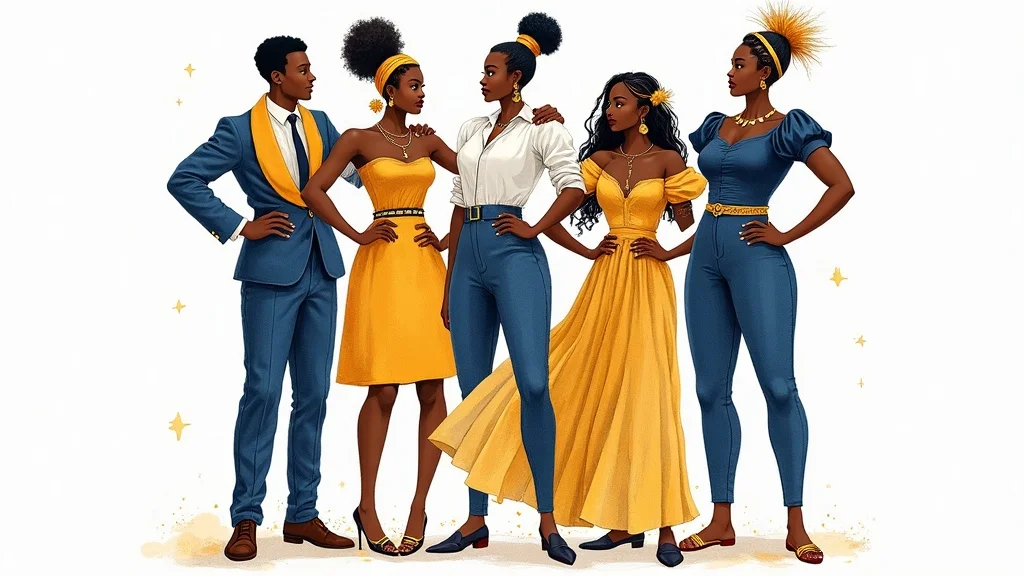
Visual identity remains a vital pillar in brand representation, especially in a digital environment where visual cues establish immediate perceptions. For African women founders, adopting an elite visual style communicates authority, trust, and status. Recommended aesthetics include a colour palette of royal navy blue, regal golden yellow, and cream or off-white that conveys elegance and professionalism.
Incorporating refined artistic markers such as elegant scrolls, watercolor textures, and delicate pencil strokes enriches the visual narrative. Crucially, imagery should authentically reflect African professional women, moving away from caricatures or Western-centric styles to celebrate genuine cultural dignity. This careful curation empowers brands with visual distinction that resonates meaningfully with diverse audiences and AI platforms alike.
The Six Paths of Challenge: Navigating Brand Consistency Across Growth Stages
The journey to robust ai representation of brands is not one-size-fits-all. African women founders can navigate their brand development through “The Six Paths,” a strategic framework tailored to different growth and identity preservation needs. These paths range from the “Emerging and Overwhelmed,” grappling with fast technological shifts, to the “Well-Established,” seeking deeper identity protection against dilution.
By consciously choosing their path, founders avoid pressure and rushed decisions, focusing instead on authentic, sustainable brand growth. This method champions agency and self-determination, aligning the brand’s presentation consistently with its evolving maturity and market position.
Tonal Sovereignty: Establishing a Warm, Honest Brand Voice Without Fear-Based Messaging
“Tonal sovereignty” refers to cultivating a brand voice that is warm, honest, and affirming. The SHE E-Boss underscores that the narrative style should explicitly reject fear-based or lecturing messaging, which can alienate audiences. Instead, the brand voice should foster psychological safety, empowering founders to tell their stories confidently and authentically.
This approach is crucial for maintaining trust and loyalty, especially when AI mediums mediate most brand communications. Consistent, compassionate messaging differentiates brands and strengthens emotional connections in a crowded digital landscape.
Common Questions About AI Branding for African Women Entrepreneurs
What is the 30% Rule in AI?
The 30% rule in AI advises that AI-generated content or decision-making should not exceed 30% influence without human oversight. This balance ensures authenticity and that the founder retains control over their brand messaging, preventing misrepresentation or loss of nuance in AI outputs.
What is the 3 7 27 Rule of Branding?
The 3 7 27 rule highlights that 3% of brand perception comes from the actual words spoken, 7% from tone of voice, and 27% from body language. This underscores the importance of non-verbal cues in brand identity and why AI tools must be supplemented with rich documentation to mimic this multidimensional communication.
Which AI Tool is Best for Branding?
The best AI tools for branding vary depending on the brand’s needs but generally include platforms enabling brand asset management, AI-assisted design, and maintaining brand voice consistency. Tools that allow customization and integration of authentic narratives help ensure that AI representation aligns closely with the founder's unique identity.
Which Major Brands are Using AI?
Leading global brands in sectors like retail, technology, and finance are leveraging AI to personalise customer experiences, automate content creation, and maintain consistent brand presence across myriad digital channels. Their success highlights AI’s transformative potential when combined with strong brand strategy.
Actionable Tips for African Women Founders to Enhance AI Representation of Brands
- Document your brand soul clearly to guide AI systems with authentic narratives and values.
- Develop a comprehensive brand kit including your visual identity, tone of voice, and messaging guidelines.
- Engage with AI tools that allow tailored inputs to preserve your brand’s uniqueness and authority.
- Regularly audit AI-generated content to ensure consistency, accuracy, and alignment with your documented identity.
- Leverage cultural authenticity in all digital representations to connect deeply with your audience and distinguish your brand.

Key Takeaways on AI Representation of Brands for African Women Entrepreneurs
| Aspect | Insight | Expert Quote |
|---|---|---|
| Professional Identity | Core strategic asset for survival | "Identity is the anchor in an era of volatility." - The SHE E-Boss |
| AI Branding Risks | Generic content dilutes reputation | "Machines guess without documentation." - The SHE E-Boss |
| Brand Soul | Documenting authenticity is survival | Brand Soul Identification bridges human and machine. |
| Visual Identity | Elite aesthetics communicate authority | Use royal navy blue and regal golden yellow. |
| Tonal Sovereignty | Warm, honest voice builds trust | Avoid fear-based messaging. |
Conclusion: Securing a Sovereign Identity in the AI Era
The SHE E-Boss of The SHE E-Boss Solutionists reminds us that African women founders must deliberately document their brand soul to ensure AI systems represent them authentically. This unhurried, dignified approach to AI representation of brands secures legacy and trust in a digital-first economy.
By embracing this strategic framework, founders transform from strangers to the system into Sovereign Identities, recognized and respected across all digital and human interactions.
As you continue to shape your brand’s digital presence, consider how the lessons of resilience and identity explored in Thirty Years This March can inspire your own journey. Delving into broader stories of perseverance and transformation can offer fresh perspectives on building a brand legacy that endures through technological change. For founders ready to elevate their strategy, integrating these insights with advanced AI branding techniques will help ensure your business remains both authentic and future-ready in the evolving digital landscape.
Discover The She Evolves News media Channel https://sheevolves.africa/news to learn more about empowering African women entrepreneurs in the AI era.
In the evolving digital landscape, African women-led businesses must proactively manage their brand representation to ensure authenticity and visibility. The article “How AI and Digital Systems Represent African Women-Led Brands” emphasizes the importance of documenting brand identity to prevent AI systems from generating generic or inaccurate portrayals.
To further understand how AI platforms perceive and represent brands, the study “How Brands Appear in AI: A Visibility Study” (presenc.ai) offers valuable insights. This research analyzes over 50,000 AI-generated responses across various industries, highlighting the factors that influence brand visibility and accuracy in AI-mediated content.
Additionally, the article “Why are brands no longer afraid of producing AI slop?” (creativebloq.com) discusses the shift in brand attitudes towards AI-generated content. It explores how major brands are increasingly utilizing AI in their campaigns, sometimes without concern for quality, and examines the implications of this trend on brand perception and consumer trust.
By exploring these resources, African women entrepreneurs can gain a deeper understanding of AI’s impact on brand representation and develop strategies to maintain their brand’s authenticity and resonance in the digital era.





Write A Comment