
cropper
update
SHE E-BOSS MEDIA NEWS CHANNELS
update
  • Home
  • Categories
    • Jovial January
    • Fabulous February
    • Marvelous March
    • Amazing April
    • Momentous May
    • Jubilant June
    • Juxtaposition July
    • Adventurous August
    • Spectacular September
    • Outstanding October
    • Notable November
    • Dazzling December
    • Inspiring Initiatives
    • Cultural Cuisine
    • Travel Diaries
    • Womanity Warriors
    • SHE-EO Excellence
    • Literary Luminaries
    • Trailblazing Titans
    • Wisdom Of Words
    • SHE Strategies
    • Tech Trends
    • Hemispheres Pulse
    • Money Mindset
    • Fintech Frontier
    • Motherland Moments
    • She Evolves
    • Quoted
    • Sky To Safari
    • Career Nuggets
    • SHE SPEAKS VOLUMES
June 19.2025
1 Minute Read

How Steam Distillation Unlocks the Healing Power of Natural Ingredients

Did you know that a single litre of essential oil extracted via the steam distillation process can generate thousands of times more revenue than raw plant material? This remarkable economic potential is just one of the many ways steam distillation transforms the natural ingredients into powerful healing agents, driving sustainable agribusiness and holistic wellness.

In this comprehensive exploration, we’ll uncover how the steam distillation process works, why it’s revolutionary for natural product extraction, and how it empowers farming communities—especially through the pioneering work of Utulivu Naturals Uganda . Whether you’re an agribusiness enthusiast, a wellness practitioner, or simply curious about natural healing, this guide offers valuable insights into unlocking nature’s full potential.

Startling Facts About the Steam Distillation Process and Its Impact on Natural Healing

The steam distillation process is not just a laboratory technique—it holds transformative power for agriculture and natural healing industries worldwide. The process extracts the essence of plants, concentrating their therapeutic properties into essential oils used in medicine, cosmetics, and self-care products. For instance, at Utulivu Naturals, a litre of lemongrass oil produced by steam distillation earns farmers revenue far exceeding raw grass sales, highlighting its economic and environmental significance .

Moreover, steam distillation supports sustainability by utilizing renewable plant materials and minimizing chemical processing. It conserves the environment while promoting holistic wellness, making it an indispensable tool for modern agribusinesses dedicated to ethical, high-quality natural products.

The Economic and Environmental Significance of Steam Distillation in Agriculture

Using steam distillation, farmers in regions like Uganda have unlocked opportunities to increase profitability and sustainability. This method fosters economic resilience by allowing communities to add value internally rather than relying solely on selling raw crops. As Hilda Nagujja of Utulivu Naturals reflects, “We’re training communities to see the hidden value in what they’ve overlooked for years.”

The environmental benefits are equally impactful. Steam distillation uses the power of steam at moderate temperatures, preserving plant compounds without harsh chemicals, thereby reducing ecological footprints. This synergy between economics and ecology presents a sustainable model for agricultural innovation.

Steam distillation process in lush agricultural landscape with a small steam distillation plant and workers tending crops

Overview of the Steam Distillation Process

Definition and Principles of Steam Distillation

Steam distillation process is a physical separation technique that uses steam to vaporize heat-sensitive compounds from plant material without degrading their properties. The principle relies on steam carrying volatile essential oils from the botanical matter into a condenser where they re-liquify, allowing pure essential oils to be collected separately from water.

This method is particularly ideal for extracting natural ingredients whose therapeutic components would decompose at high temperatures. By leveraging steam rather than direct heat, the process preserves the integrity and potency of essential oils, making it a cornerstone in natural healing and product formulation.

How Steam Distillation Differs from Simple Distillation

Unlike simple distillation—which heats a liquid to boil and separate based on boiling points— steam distillation introduces steam directly into the plant material, causing the essential oils to evaporate at temperatures lower than their boiling points. This gentle extraction prevents decomposition and contamination.

Simple distillation is often unsuitable for delicate, volatile compounds found in plants. Steam distillation, therefore, offers a more specialized, efficient, and gentle approach that preserves natural ingredient quality, which is critical in producing therapeutic essential oils.

Key Components of a Steam Distillation Setup

A typical steam distillation process setup includes:

  • Steam Generator: Produces and regulates steam flow.

  • Distillation Vessel: Contains plant material where steam passes through.

  • Condenser: Cool surface where steam and oils condense back into liquid form.

  • Separator: Separates essential oils from hydrosol (condensed water).

The precise configuration ensures optimal extraction efficiency and purity of oils, emphasizing careful engineering and maintenance.

Close-up of steam distillation process showing detailed apparatus in laboratory setting

Step-by-Step Guide to the Steam Distillation Process

Preparation of Plant Material and Water

The first critical stage in the steam distillation process is gathering and preparing fresh plant materials, such as lemongrass leaves, herbs, or flowers. The botanical matter must be clean, free from pesticides, and optimally moist to allow efficient steam penetration.

Simultaneously, pure water is prepared to generate steam. The quality of water directly affects steam purity and thus the quality of extracted oils. Utulivu Naturals emphasizes responsible sourcing at every step to maintain product integrity.

Hands preparing fresh plant materials for steam distillation process on wooden worktable

Boiling Point Considerations in Steam Distillation

Understanding the boiling points of different essential oil components is crucial in the steam distillation process . Steam lowers the boiling point of these compounds so they vaporize at temperatures safe enough to prevent breakdown.

Many essential oil constituents have unique boiling points, and controlling temperature ensures selective extraction of high-quality oils. For example, lemongrass's key component, citral, vaporizes efficiently within typical steam distillation ranges, preserving its fragrance and therapeutic properties.

Condensation and Collection of Essential Oils

After steam carries the volatile oils away from plant material, it passes through a condenser that cools the vapor back into liquid. The resulting mixture of water and oil is then separated. Since essential oils are hydrophobic, they float or sink depending on density, allowing easy collection.

This final collection stage defines the purity and potency of the essential oils, key for healing, beauty, and therapeutic applications.

Essential Oil Component

Boiling Point (°C)

Plant Source

Citral

229

Lemongrass

Linalool

198

Lavender

Eugenol

253

Clove

Menthol

212

Peppermint

Essential Oils Extracted Through Steam Distillation and Their Benefits

Lemongrass Essential Oil: A Case Study from Utulivu Naturals

One standout example of the impact of the steam distillation process is lemongrass essential oil from Utulivu Naturals. The founder explains, “A litre of lemongrass essential oil earns thousands of times more than a kilogram of raw grass,” highlighting the immense value addition potential realized through steam distillation.

This essential oil is rich in citral, known for powerful antimicrobial, antifungal, and anti-inflammatory effects. Lemongrass oil from Utulivu is used in beauty, self-care, and healing products, demonstrating how the steam distillation process leverages natural ingredients to unlock holistic wellness benefits.

Healing, Beauty, and Self-Care Applications of Essential Oils

The essential oils derived through steam distillation have a broad spectrum of applications, including natural remedies, aromatherapy, skincare, and household products. These oils promote physical healing, mental balance, and emotional well-being without relying on synthetic chemicals.

By producing these oils locally, Utulivu Naturals supports affordable access to natural wellness products while empowering farmers to participate in this value chain.
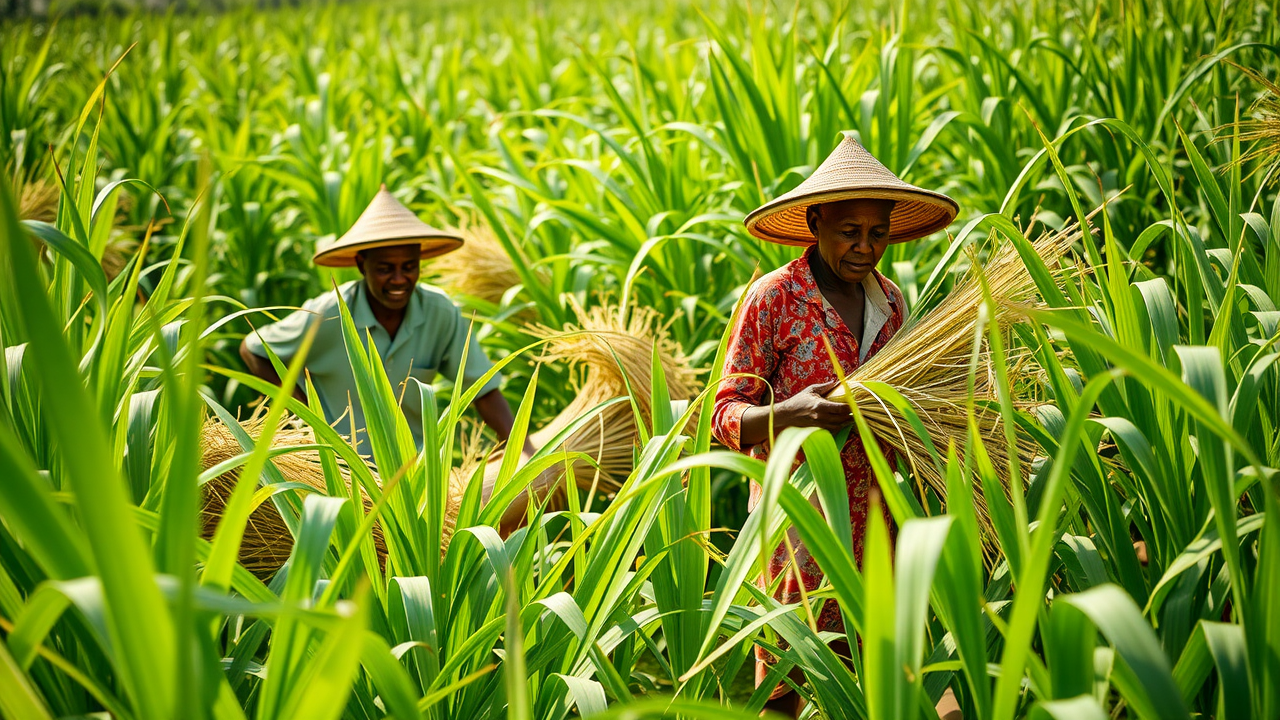
Farmers harvesting lemongrass in fields for steam distillation process

Advantages and Disadvantages of the Steam Distillation Process

Pros: Sustainability, Purity, and Economic Benefits

The steam distillation process offers numerous advantages:

  • Sustainability: It uses renewable plant materials with minimal environmental impact.

  • Purity: Yields high-quality, chemical-free essential oils.

  • Economic Benefits: Enables farmers to add value, increasing income and promoting rural development.

Utulivu Naturals exemplifies these benefits by prioritizing responsible sourcing and community empowerment.

Cons: Limitations and Challenges in Industrial Applications

Despite its advantages, steam distillation also faces challenges:

  • Energy-Intensive: Requires continuous heat and water supply.

  • Not Suitable for All Compounds: Some components degrade or do not vaporize well.

  • Initial Investment: Equipment cost can be a barrier for small farmers.

Addressing these challenges requires innovation, training, and infrastructure support, areas where community education by Utulivu proves vital.

Contrast of eco-friendly steam distillation sustainability and industrial production challenges

Expert Insights and Best Practices from Utulivu Naturals

Hilda Nagujja of Utulivu Naturals shares, “We’re training communities to see the hidden value in what they’ve overlooked for years,” emphasizing how education and innovation drive successful value addition through steam distillation.

Sourcing Responsibly and Prioritizing Sustainability

Utulivu Naturals adheres to responsible sourcing standards, ensuring the plant materials used in the steam distillation process are cultivated sustainably and ethically. This approach nurtures ecosystems and maintains long-term supply availability, critical for a thriving agribusiness.

Empowering Farmers Through Value Addition

By teaching farmers how to implement steam distillation effectively, Utulivu boosts local economies and fosters self-reliance. Farmers transition from low-margin raw produce sales to lucrative essential oil markets, transforming how agriculture contributes to community resilience.

Joyful farming community in Uganda collaborating on steam distillation process

Common Questions About Steam Distillation Process

What is the process of steam distillation?

The steam distillation process involves passing steam through plant material to vaporize volatile compounds. The vapors condense back into liquid form, separating essential oils from water for collection.

What is the step by step process of distillation?

Steps include preparing plant materials, generating steam, passing steam through the materials, condensing vapor, and collecting separated essential oils and hydrosols.

What are the disadvantages of steam distillation?

Limitations include energy consumption, unsuitability for some compounds, and the need for specialized equipment which can be costly initially.

What materials are needed for steam distillation?

Essential materials include a steam generator, distillation vessel, condenser, separator, plant materials, and quality water.

Actionable Tips for Implementing Steam Distillation in Agribusiness

Choosing the Right Crops for Value Addition

Select crops rich in essential oils that respond well to steam distillation, such as lemongrass, lavender, peppermint, or clove. Consider local growing conditions and market demand.

Investing in Quality Distillation Equipment

Purchase durable and efficient steam distillation apparatus. Proper maintenance and operation are key to maximizing extraction yield and product purity.

Building Community and Market Connections

Foster networks among farmers, processors, and buyers to strengthen supply chains and market access. Collaboration enhances sustainability and economic gain.

Key Takeaways on the Steam Distillation Process

  • Steam distillation unlocks high-value essential oils from natural ingredients.

  • Value addition through steam distillation can transform agricultural profitability.

  • Sustainability and responsible sourcing are critical for long-term success.

  • Education and innovation empower communities to maximize benefits.

Conclusion: Embracing Steam Distillation for a Sustainable Future

The Role of Steam Distillation in Advancing Holistic Wellness and Agribusiness

Adopting the steam distillation process marks a path towards sustainable agriculture and natural healing. As Hilda Nagujja of Utulivu Naturals advises, “If you only plan to sell raw produce, be ready for small margins, slow returns, and heartbreak.” Value addition through steam distillation offers a transformative opportunity for farmers to prosper and contribute to holistic wellness with ethically sourced, high-quality essential oils.

Discover Utulivu Naturals Located In Uganda

Explore Our Range of Steam-Distilled Essential Oil Products

Utulivu Naturals proudly offers an expanding range of essential oils and natural wellness products distilled through expert steam distillation techniques. These products embody the healing potential of nature’s bounty, responsibly sourced and sustainably produced.

Visit https://www.unaturals.shop/ to Learn More and Support Sustainable Farming

Join us in supporting ethical farming and natural wellness by exploring products and learning more about steam distillation’s role in transforming agribusiness and health.

To deepen your understanding of the steam distillation process and its applications, consider exploring the following resources:

  • “Steam Distillation”

This comprehensive article provides an in-depth look at the principles, history, and applications of steam distillation, including its role in extracting essential oils and its significance in various industries. ( en.wikipedia.org )

  • “5.5D: Step-by-Step Procedures for Steam Distillation”

This resource offers a detailed, step-by-step guide to performing steam distillation, complete with procedural summaries and illustrative figures, making it an excellent practical reference. ( chem.libretexts.org )

If you’re serious about mastering the steam distillation process and its applications, these resources will provide you with both theoretical knowledge and practical insights.


SHE-EO Excellence

0 Comments

Write A Comment

*
*
Please complete the captcha to submit your comment.
Related Posts All Posts
11.10.2025

Celebrating Victoria Nyanzi Empowering African Women to Build Bold Personal Brands And Wealth

Did you know that Africa has the highest rate of women entrepreneurs in the world, but women entrepreneurs across the continent still face the greatest barriers to creating wealth and building influential brands? This striking paradox not only highlights the resilience of African women, but also exposes the urgent need for more innovative efforts to empower them. Victoria Nyanzi stands at the forefront of this movement, championing the transformation seen everywhere, from vibrant tech hubs in Nairobi to bustling fashion studios in Accra, redefining what it means for women to build bold personal brands, open doors, command respect and create real wealth.A New Era: The Power of Empowering African Women to Build Personal BrandsOpening with Impact: Unconventional Facts About Women Entrepreneurs and Wealth Creation"Africa leads the world with the highest rate of women entrepreneurs, yet faces the greatest barriers to creating wealth."Across Africa, African women entrepreneurs are shaking up the labor market, making up over 25% of business owners compared to a global average below 10%. Yet, despite this entrepreneurial boom and the rise of million women initiatives, systemic challenges such as limited access to finance, cultural constraints and the lack of strong personal brands keep many women out of the circle of women creating wealth. This duality, robust participation but modest outcome, places women at the heart of Africa’s economic and social transformation, but also at the center of its greatest unrealized promise. The private sector, government agencies and organizations like the Mastercard Foundation are now focusing on financial inclusion as the key to unlocking this potential, enabling more women entrepreneurs to build sustainable businesses and drive job creation.What You’ll Learn From Victoria Nyanzi’s Approach to Empowering African WomenPractical strategies for empowering African women to build personal brandsHow personal branding opens doors, commands respect, and enables wealth creationInsights from African women entrepreneursOvercoming unique challenges women face in business and financial inclusionVictoria Nyanzi: A Visionary Empowering African Women EntrepreneursVictoria Nyanzi exemplifies what it means to champion African women entrepreneurs in a fast-changing economic landscape. Through hands-on mentorship, expansive networking opportunities, and skillful advocacy, she is helping many women realize the full potential of personal branding. Nyanzi understands that in order to break through traditional ceilings in both the private sector and public arenas, women need more than just capital, they need visibility, confidence, credibility, and practical skills to tell their stories powerfully. Her initiatives, such as the Million Women Movement and the Africa Sisters Network, show how women creating wealth can shift entire communities and inspire generational change.Championing Financial Inclusion and Creating Wealth"Empowering African women to build personal brands is a revolution that is transforming the landscape for women creating wealth." – Victoria NyanziThis revolution is about more than individual success. By supporting african women entrepreneurs at every stage, from ideation to investment, Nyanzi’s focus on financial inclusion addresses core needs: education, access to finance, connection to global markets, and representation in influential circles. Research from the alliance for financial inclusion and the Mastercard Foundation supports this: when african countries commit to national financial inclusion strategies, women’s participation in the economic and social development of their communities grew exponentially. Nyanzi’s approach blends large-scale advocacy with one-on-one coaching, ensuring the movement includes the voices of million women across the continent.How Building Bold Personal Brands Allows African Women to Command Respect and Open DoorsVisibility in male-dominated industriesInspiring a million women and moreNarratives from successful African women entrepreneursBuilding a strong personal brand is not just about online presence or individual achievement; it is a proven way for african women to command attention in the labor market and challenge the barriers that often exclude them from mainstream success. In traditionally male-dominated industries, technology, finance, and manufacturing, women who cultivate bold, authentic brands become role models, decision-makers, and recognized leaders. The ripple effect can launch movements, shift perceptions, and encourage sustainable businesses led by women entrepreneurs who open doors for others.Through Nyanzi’s work, a million women have been inspired to step onto stages, claim boardroom seats, and negotiate with confidence. Real narratives matter here, hearing from successful African women entrepreneurs in fields like digital commerce, fashion design, and renewable energy empowers others to imagine new possibilities. Their stories prove that women creating wealth is not a distant dream but a lived reality, attainable when personal branding is united with skill and support.From Dreams to Wealth: Stories of African Women Creating Wealth Through EntrepreneurshipCase Studies: Million Women Movement and MoreThe Million Women Movement sparked a revolution across african countries by spotlighting stories that often go untold. For instance, in Nigeria, says Oluwaseyi, a former banker turned tech entrepreneur, credits her rise to global recognition to mastering personal branding and accessing the right mentorship networks. In Kenya, the story of a fashion entrepreneur whose label now employs dozens is rooted in her ability to tell her story, use digital platforms, and connect with financial services that enabled growth.These stories underline that with the right tools, education, connection to the alliance for financial inclusion, and public celebration of achievements, African women entrepreneurs can turn ambition into tangible, generational wealth. Specific sectors such as agri-business, tech startups, and creative industries have shown the greatest uptick in women creating wealth, with mentorship and access to finance from local initiatives and global foundations playing a pivotal role. Their successes fuel hope for many women looking to follow in their footsteps and provide momentum that transforms communities.The Role of Financial Inclusion in Empowering African Women to Build Personal BrandsFinancial inclusion is often described as the backbone for the transformation of women’s entrepreneurship in Africa. A lack of access to traditional financial services has long hindered the full potential of african women entrepreneurs, yet recent advances are creating new pathways. Digital banking, mobile money, and microfinance initiatives have become critical lifelines, with research by the alliance for financial inclusion and Mastercard Foundation highlighting a direct correlation between national financial inclusion initiatives and increased job creation by women.However, significant challenges remain: access to finance continues to be a barrier, especially for women in rural or marginalized urban settings. But organizations like the Mastercard Foundation and government agencies embracing implement policies aimed at improving women’s access are reshaping the economic future of Africa. Ultimately, empowering women with both financial literacy and resources provides the foundation for them to not only build brands but also scale up sustainable businesses that leverage talent across the continent.Comparison Table: Countries With The Highest Rates Of Female Entrepreneurship In Africa and Their Common ChallengesCountry% Female EntrepreneursMain ChallengesUganda38%Access to finance, cultural norms, limited networksGhana37%Limited digital infrastructure, regulatory barriersBotswana35%Policy obstacles, gender bias, market accessNigeria34%Access to funding, mentorship gaps, securityZambia32%Lack of training, finance, urban-rural divideKey Challenges Facing African Women Entrepreneurs in Creating WealthAccess to fundingLack of networksCultural barriersLimited digital infrastructurePolicy obstaclesPractical Solutions for Empowering African Women to Build Personal Brands and Create WealthOvercoming these challenges requires more than just awareness, it demands a practical, sustained approach. First, educating women on personal branding strategies should be built into entrepreneurial training at all levels, from academic institutions to community workshops. Next, targeted programs in financial inclusion must be adaptive, addressing gaps not just in credit access but also in digital skills and leadership confidence. Connecting women entrepreneurs to both local and international mentorship networks expands opportunities and demystifies the path to creating wealth.Governments, the private sector, and NGOs must also play their part, especially in implement policies that foster gender-sensitive support structures and reform outdated regulations that hinder african women entrepreneurs. Finally, celebrating and widely publicising the success stories of women creating wealth will help dismantle harmful stereotypes, replacing them with voices of authority and inspiration. Each step forward creates ripple effects for a new generation eager to contribute to Africa’s economic and social fabric.People Also Ask: Influential African Women, Global Successes, and Entrepreneurship StatisticsWho is the most influential woman in Africa?Answer: Pan-African leaders and trailblazers such as Ngozi Okonjo-Iweala have paved the way for empowering African women to build personal brands that open doors, command respect and create wealth.Who is the most successful female entrepreneur in the world?Answer: Sara Blakely, founder of Spanx, is globally recognised for wealth creation, showcasing the power of personal branding, an inspiration for African women entrepreneurs.Which Africa has the highest rate of female entrepreneurship in the world?Answer: Sub-Saharan Africa, especially countries like Uganda and Ghana, leads in the percentage of women entrepreneurs, reinforcing the trend of women creating wealth in Africa.What are the challenges faced by female entrepreneurs in Africa?Answer: Female entrepreneurs face unique hurdles such as limited access to capital, mentorship, and cultural biases, impeding progress for empowering African women to build personal brands.Expert Quotes: How Women Entrepreneurs Are Breaking Barriers"Financial inclusion is the key to unlocking the potential of African women entrepreneurs and creating pathways to wealth." – Industry ExpertLists: Top 5 Steps to Empowering African Women to Build Personal Brands and WealthEducate women on personal branding strategiesPromote financial inclusion and entrepreneurship programsFacilitate access to mentorship and professional networksAdvocate for policy change to support women entrepreneursCelebrate and publicize success stories of women creating wealthVideo highlights showing Victoria Nyanzi conducting a workshop with African women entrepreneurs, featuring short interviews, behind-the-scenes moments, and coverage of authentic, inspiring success stories.FAQ: Building Personal Brands, Wealth, and Empowerment in AfricaWhat is the first step towards empowering African women to build personal brands?The first step is self-discovery, understanding one's skills, values and unique story is essential for any woman hoping to build a brand that stands out. Participating in training sessions and strategic workshops, such as those offered by Victoria Nyanzi, can lay a strong foundation for personal branding success.How does personal branding contribute to creating wealth?Personal branding creates visibility and credibility, making it easier for women to access investment, job opportunities and trusted partnerships. When African women confidently share their achievements, they open doors to financial resources and networks that help them build wealth, sustain businesses, and inspire others.Where can women entrepreneurs find support in Africa?Women entrepreneurs can find support through a growing ecosystem of mentorship networks, entrepreneurship hubs, and financial inclusion programs. Organizations like the Africa Sisters Network, Mastercard Foundation, and local women-in-business collectives provide valuable guidance, funding, and community.What role does digital technology play in empowering African women?Digital technology is revolutionizing entrepreneurship by expanding market access, enabling virtual networks, and improving financial literacy. For African women, online branding and digital finance create new opportunities for wealth creation and job growth, reducing many traditional barriers.Key Takeaways: Empowering African Women to Build Personal Brands That Open Doors, Command Respect and Create WealthPersonal branding is transformative for African women entrepreneursFinancial inclusion is critical to wealth creationCommunity, mentorship, and policy support are vital for successWatch real-life stories of African women entrepreneurs sharing how personal brands and financial inclusion have transformed their businesses and communities.Conclusion: The Future of Empowering African Women to Build Personal Brands and Create WealthThe next chapter in Africa’s economic and social growth will be led by empowered women who build bold brands, create new jobs, and redefine wealth for generations.Ready to Join the Movement?Discover Victoria Nyazi, Founder Of The Africa Sisters Network by visiting her business card: https://victorianyanzi.africa/virtual-cardTo further explore the empowerment of African women in building personal brands that open doors, command respect, and create wealth, consider the following resources:“Building Your Personal Brand: A Step-by-Step Guide for African Leaders”: This guide offers actionable steps for African leaders to develop a compelling personal brand, emphasizing the importance of authenticity and strategic networking. (lionessesofafrica.com)“Celebrating the Women Who Create Wealth”: An article highlighting the achievements of women entrepreneurs who have successfully built personal brands and created wealth, providing inspiration and practical insights. (gracamacheltrust.org)These resources provide valuable strategies and real-life examples to guide African women in crafting personal brands that lead to professional success and financial empowerment.

08.13.2025

Capital Raising Strategies: From Trust to Loans and Equity Explained

Did you know that many small businesses fail not because of lack of effort but due to poor capital management? While money often appears to be the biggest barrier to starting a business, the reality is more nuanced. Capital raising strategies reach beyond just cash influx to include trust, belief, and collective collaboration. This comprehensive guide unpacks these critical approaches and equips entrepreneurs with practical tools to secure funding through various methods, including equity, loans, and community support. Discover how combining these strategies with effective money systems can transform your business trajectory. Startling Facts About Capital Raising: Why Most Small Businesses Struggle Understanding the Capital Raising Process and Its Challenges Accessing capital is often perceived as the biggest hurdle for small business owners. However, many entrepreneurs overlook the importance of managing capital and finances systematically. Capital raising strategies encompass more than just obtaining funds — they require an understanding of the process, including preparation, relationship-building, and strategic selection of funding sources. Challenges include lack of adequate business plans, uncertainty about financial options, and limited access to trusted networks. As Ritah Nakiganda, a seasoned financial literacy advocate, emphasizes, “Capital isn’t always about money. It’s about trust, belief, and using what you have.” This mindset shift is crucial for overcoming initial financial barriers. What You'll Learn in This Guide Key capital raising strategies for small businesses How trust and collective efforts can substitute traditional capital Differences between equity financing, loans, and collective capital raising Practical tips to implement effective money systems Common misconceptions about raising capital Defining Capital Raising Strategies: The Foundation of Business Growth What Are Capital Raising Strategies? Capital raising strategies refer to the structured approaches businesses use to acquire the necessary funds to start, sustain, or expand their operations. These strategies vary widely—from selling equity shares to taking loans or leveraging collective efforts like savings groups. The choice of strategy influences business control, risk, and growth potential. Entrepreneurs must therefore understand the nuances of each approach to align funding methods with their business goals effectively. The Capital Raising Process Explained The process begins with identifying capital needs, followed by exploring reliable sources that match the business’s readiness and appetite for risk. It involves crafting credible proposals or trust-building narratives and negotiating terms that protect both parties’ interests. Ritah Nakiganda insightfully states, “Capital isn’t always about money. It’s about trust, belief, and using what you have.” By acknowledging trust and relationships as capital forms, entrepreneurs can unlock unconventional funding avenues previously overlooked. “Capital isn’t always about money. It’s about trust, belief, and using what you have.” – Ritah Nakiganda, Financial Literacy Advocate Three Essential Capital Raising Strategies Every Small Business Owner Should Know 1. Equity Financing: Sharing Ownership to Raise Capital Equity financing involves exchanging a percentage of business ownership for investment capital. This strategy is suitable for entrepreneurs willing to share control in return for resources and expertise. Equity investors become partners, aligning their success with the business’s prosperity. For many startups, this collaborative approach brings both financial support and valuable mentorship. Ritah Nakiganda explains how her sister’s investment in Shea Kids Lounge was less about a perfect business plan and more about trust and shared belief, showcasing equity financing in action. 2. Loans: Structured Debt as a Capital Raising Option Loans provide funds that must be repaid over time with interest. They remain a popular choice for businesses that prefer to retain full ownership while obtaining necessary capital. However, loans carry financial risks if the business does not generate enough revenue to cover repayments. Selecting the right type of loan and creditor—be it a bank, microfinance, or trusted lender—is vital. Entrepreneurs should consider repayment terms, interest rates, and their financial stability before pursuing this capital raising strategy . 3. Collective Efforts: Savings Groups and Community Fundraisers In many communities, pooling resources through savings groups or fundraisers is a powerful method to raise starting capital. These collective efforts rely on mutual trust, shared goals, and commitment to accountability. Such approaches minimize reliance on formal financial systems, often inaccessible to small entrepreneurs, and build strong social networks that support sustainable growth. Ritah Nakiganda’s story exemplifies how collective belief and savings formed the bedrock of Shea Kids Lounge’s inception. How Trust and Shared Belief Can Be Powerful Capital Raising Tools The Story Behind Shea Kids Lounge: Capital Raised Through Trust “She believed in me. She bet her savings on me, not because the idea was perfect but because she trusted my consistency.” – Ritah Nakiganda, of Centonomy Kenya Sometimes, the most vital resource for capital raising is trust. Ritah Nakiganda’s entrepreneurial journey with Shea Kids Lounge began not with formal proposals but with a sister’s faith in her commitment. This trust translated into tangible capital and unwavering support. It illustrates the profound impact belief and relational capital have in overcoming traditional funding obstacles. Entrepreneurs can leverage personal networks and community goodwill as foundational pillars in their capital raising strategies . Money Systems: The Overlooked Key to Successful Capital Management What Are Money Systems and Why They Matter Money systems refer to structured routines and tools that help businesses track income, expenses, and savings systematically. Many small businesses struggle not because they lack capital but because they lack clarity and control over financial flows. Implementing money systems builds financial discipline, enhances decision-making, and mitigates stress. As Ritah Nakiganda advises, these systems empower entrepreneurs to work smart, turning scattered efforts into sustainable financial management. Implementing Simple Routines to Manage Business Finances Establishing daily or weekly routines for recording sales, tracking expenses, and reviewing budgets creates a clear snapshot of business health. Start with simple bookkeeping — noting down what comes in, what goes out, and what remains. Digital tools or spreadsheets can aid accuracy and efficiency. Entrepreneurs who consistently apply these routines enhance transparency and confidence when approaching external funding sources, making their capital raising strategies more credible and effective. Comparing Capital Raising Methods: Pros, Cons, and Best Use Cases Equity Financing: Advantages and Risks Equity financing offers access to capital without immediate repayment pressure and brings in partners who contribute to the business’s strategic growth. Nevertheless, it dilutes ownership and can lead to conflicts if expectations differ. Ideal for startups targeting growth and mentorship, it requires transparency and trust among shareholders. Loans: When and How to Use Debt Wisely Loans preserve ownership but demand timely repayments with interest, increasing financial burden if income is unstable. They are best suited for established businesses with predictable cash flows. Responsible borrowing and clear repayment plans are essential components of successful loan-based capital raising strategies . Collective Capital Raising: Benefits of Community Support Collective efforts leverage group saving power and trust, democratizing access to capital. They are especially effective in underserved communities where formal lending is limited. The downside includes dependency on group discipline and limited individual contribution sizes. Best practice involves clear agreements and shared accountability. Comparison Table: Equity Financing vs Loans vs Collective Capital Raising Aspect Equity Financing Loans Collective Efforts Risk Shared among investors Borrower bears full risk Shared among group members Control Ownership dilution No dilution, full control remains Shared influence depending on contribution Repayment No repayment required Mandatory fixed repayments with interest Typically periodic contribution with collective benefit Suitability Startups seeking growth and expertise Established businesses with steady cash flow Communities or groups building capital together Common Misconceptions About Raising Capital Capital is always money – debunked by trust and shared belief You need a perfect business plan to get funding Loans are always risky and should be avoided Raising capital means losing full control of your business Actionable Tips for Raising Capital and Managing Your Business Finances Build trust with your network before seeking funds Start small with savings groups or partnerships Use money systems to track and control finances Consider equity financing only when ready to share ownership Evaluate loan options carefully and plan for repayments People Also Ask: Capital Raising FAQs What are the various ways to raise capital? Capital can be raised through equity financing, taking loans, or through collective efforts such as savings groups or fundraisers. Each method has its unique advantages and suitability depending on the business’s stage and resources. What are the different types of capital increases? Capital increases typically occur through equity financing where new shares are issued, loans which add debt capital, or raising funds via community or collective group contributions. How to raise capital without giving up equity? Entrepreneurs can use loans or collective savings efforts to raise capital without diluting ownership. Proper financial management and repayment planning are key when opting for loans. What is the fastest way to raise capital? Collective efforts such as savings groups or community fundraisers often provide faster access to small amounts of capital, while loans and equity financing might take longer due to formal approval processes. Key Takeaways Capital raising strategies extend beyond money to include trust and shared belief Equity, loans, and collective efforts each have unique benefits and risks Implementing money systems is crucial for financial clarity and control Small businesses can start grounded and grow sustainably with the right approach Conclusion: Building Better Businesses One Capital Raising Strategy at a Time “Let’s build better businesses, one system at a time.” – Ritah Nakiganda, Financial Literacy Advocate Mastering capital raising strategies is essential for turning entrepreneurial dreams into thriving ventures. By embracing trust, smart financial systems, and choosing financing methods that align with your vision, you can overcome traditional barriers to capital access. As Ritah Nakiganda’s journey demonstrates, starting grounded with belief and community support can create lasting business success. Equip yourself with knowledge, apply these strategies with diligence, and watch your enterprise flourish. Call to Action Nominate your Hidden Hero: the changemaker transforming capital raising in your community Invite them to share their expertise or success journey Join the conversation and share your capital raising stories to inspire others

08.11.2025

How Can Women and Children Start Building Financial Freedom Today?

Financial freedom for women and children is not only an essential goal but an urgent necessity in today's dynamic socio-economic landscape. Did you know that many women and children face compounded challenges that make financial independence both critical and more difficult to achieve? This article unpacks the foundational steps and inspiring stories that illuminate practical pathways to empower women and children to take control of their financial futures. Opening with a Startling Fact: The Urgency of Financial Freedom for Women and Children Powerful infographic of a serious young woman with child thoughtfully reviewing bills and coins, highlighting the urgency of financial freedom for women and children. Financial insecurity disproportionately affects women and children worldwide, limiting opportunities, access to education, and economic stability. Building financial freedom for women and children is therefore an urgent priority that can break cycles of poverty and dependence. Many hesitate, believing that a lack of capital is their main obstacle. However, as Ritah Nakiganda illustrates, the root challenges are often deeper and related to managing finances and building trust-filled systems. Understanding Financial Freedom for Women and Children: Definitions and Importance To navigate financial freedom, we must first understand what it truly entails. Financial freedom for women and children means having the autonomy to make financial decisions, sustain income, build savings, and invest in future goals without systemic barriers. It goes beyond income — encompassing trust, belief, and effective money management practices. "Financial freedom is not just about money; it's about trust, belief, and using what you have to build a better future for yourself and your family." — Ritah Nakiganda, a financial literacy advocate The Link Between Financial Freedom and Gender Equality Financial freedom is intrinsically tied to gender equality. When women gain control over finances, families and communities benefit through improved health, education, and social outcomes. For children, early lessons in financial responsibility can pave the way to breaking generational poverty. Encouraging financial independence in women and children fosters empowerment and challenges traditional norms that limit their economic agency. Common Barriers to Achieving Financial Freedom for Women and Children While lack of capital is often cited as the primary barrier, the reality is more nuanced. Structural challenges such as limited financial education, absence of robust money management systems, and insufficient trusted networks frequently hinder progress. Recognizing these barriers helps craft more effective solutions for financial freedom for women and children . Debunking the Myth: Is Capital the Biggest Barrier? "Most small business owners are stuck in survival mode not because they lack effort, but because they lack money systems." — Ritah Nakiganda of Centonomy Kenya Ritah Nakiganda points out the critical role that money systems play in transforming financial prospects. Capital alone is rarely enough without structured approaches to income tracking, expense management, and savings growth. Women and children often struggle not because funding is unavailable but because they lack the systems to use funds effectively and sustain growth. A motivated young woman entrepreneur confidently managing her finances on a laptop, embodying financial freedom for women and children through smart money systems. Three Essential Money Systems Every Woman and Child Should Practice Managing What Comes In: Income Tracking An effective income tracking system is the foundation of financial control. It involves diligently recording all sources of incoming money, whether from allowances, gifts, salaries, or small business earnings. For women and children, mastering this system ensures clear visibility over their economic inflows, enabling sound budgeting and planning. Ritah Nakiganda emphasizes that knowing exactly what money arrives builds the confidence needed for further financial decisions. Controlling What Goes Out: Expense Management Equally important is maintaining strict oversight of expenditures. Expense management teaches discipline in identifying necessary costs versus discretionary spending. For women juggling household needs and businesses, and children learning early financial responsibility, this system prevents overspending and financial stress. Establishing routines such as daily or weekly expense logs can provide clarity and highlight areas for optimization. Saving What Stays Behind: Building Financial Reserves Savings form the bedrock of financial freedom. Whether setting aside small amounts consistently or pooling resources for a collective goal, building reserves creates security and opens opportunities for investment or emergencies. Ritah Nakiganda advocates starting small but staying consistent, reinforcing that financial freedom grows from the discipline of saving and patience. Inspiring mother and daughter joyfully teaching about savings using a piggy bank, a symbol of building financial freedom for women and children. Real-Life Success Story: How Trust and Collective Effort Built Shea Kids Lounge The story of Shea Kids Lounge exemplifies how financial freedom for women and children can grow from trust and collective belief rather than formal loans or connections. Ritah Nakiganda shares how her sister's faith in her consistency, rather than a perfect plan, enabled the birth of this successful venture. This narrative highlights the essential role of trust and shared sacrifice in raising capital and sustaining businesses. "My sister believed in me and bet her savings on my consistency, not just the idea. That’s how Shea Kids Lounge was born — from trust, not loans or rich connections." — Ritah Nakiganda Diverse group of women smiling and collaborating on a business plan, demonstrating collective effort in building financial freedom for women and children. Exploring Different Ways to Raise Capital Beyond Money Achieving financial freedom does not always hinge solely on cash injections. Exploring alternative capital avenues empowers women and children by diversifying sources and leveraging community strength. Equity: Sharing Ownership for Shared Success Equity involves trading shares of ownership for investment, time, or resources. This approach builds partnerships and shared interests, ensuring contributors are motivated stakeholders. As seen with Shea Kids Lounge, equity arrangements can create empowering and equitable business relationships. Loans: Risks and Rewards Loans from banks, microfinance institutions, or trusted lenders provide access to funds but carry inherent risks if not managed wisely. Structured borrowing with clear repayment plans can facilitate growth; however, without proper money systems, loans may lead to debt stress rather than financial freedom. Collective Efforts: Power of Community Savings and Partnerships Savings groups, community fundraisers, and partnerships harness the power of collective capital and belief. They provide social accountability, reduce loneliness in the financial journey, and increase resource pools. For women and children, joining or forming such groups can be transformational in achieving and sustaining financial goals. Animated depiction of an enthusiastic savings group meeting, highlighting community power in building financial freedom for women and children. Practical Tips for Women and Children to Start Building Financial Freedom Today Start small with consistent saving habits. Join or form savings groups for mutual support. Educate yourself on budgeting and money management. Seek mentorship and financial coaching. Build trust and relationships that can support your financial goals. What You'll Learn: Key Takeaways on Financial Freedom for Women and Children Key Concept Description Benefit Money Systems Routines to manage income, expenses, and savings Clarity and control over finances Trust and Collective Capital Raising funds through belief and community Access to resources without traditional loans Financial Education Learning budgeting and saving strategies Empowerment and confidence People Also Ask: Common Questions About Financial Freedom for Women and Children What are the first steps women and children should take to achieve financial freedom? How can savings groups help in building financial independence? What role does trust play in raising capital for small businesses? Are loans a good option for women starting businesses? How can children learn about financial freedom early on? Conclusion: Empowering Women and Children to Take Control of Their Financial Futures At its core, financial freedom for women and children is about empowerment through practical systems and trust-filled relationships. As Ritah Nakiganda encourages, "Let’s build better businesses, one system at a time, and empower the next generation to live financially free lives." Hopeful young girl and her mother looking at a vision board of future financial dreams, symbolizing empowerment toward financial freedom for women and children. By implementing simple yet effective money management routines, fostering trust-driven capital strategies, and engaging supportive communities, women and children can start their journey toward lasting financial independence today. Call to Action: Hidden Heroes - The Changemaker You Should Nominate We invite you to share stories of women and children who are championing financial freedom in their communities. Nominate your financial freedom for women and children changemakers and be part of a movement that uplifts and inspires. Together, we can create a future where financial independence is a reality for all.

cropper
update
She E-Boss Diaspora Chronicles

cropper
update

Each month, we take our fellow Africa and Diaspora Women on a journey of discovery with unique themes and curated feeds, empowering each one of you to connect with diverse cultures and inspiring stories that celebrate your womanity and our humanity. Join us and be part of the She E-Boss network and an empowering celebration revolution!

  • update
  • update
  • update
  • update
  • update
  • update
  • update

THE SHE E-BOSS SOLUTIONIST

  • Privacy Policy
  • Terms of Use
  • Advertise
  • Contact Us
  • Menu 5
  • Menu 6

Whatsapp +650-980-9020

AVAILABLE FROM 8AM - 5PM

Africa & Diaspora Network

Discover Our Virtual Academies And Marketing Agencies. Let Us Add Briliance To Your Brand With Our Development Strategies Or
level Up Your 21st Century Digital Tech Frontiers Business Skills
And Personal Growth Mindset

ABOUT OUR MEDIA CHANNEL

Welcome to She E-Boss Cultural Carousel, your ultimate digital media destination for exploring the richness of global celebrations and cultural events. Our platform is dedicated to uncovering  trending news, cuisine, traditions, holidays, and stories from around the world, all through the lens of empowerment, inclusivity, and joy.

© 2025 The SHE E-Boss Solutionist All Rights Reserved. 6749 S. Westnedge Avenue, Suite K-161, Portgage, Michigan 49002 . Contact Us . Terms of Service . Privacy Policy

eyJjb21wYW55IjoiVGhlIFNIRSBFLUJvc3MgU29sdXRpb25pc3QgUG9kY2FzdCIsImFkZHJlc3MiOiIsICwgICIsImNpdHkiOiIiLCJzdGF0ZSI6IiIsInppcCI6IiIsImVtYWlsIjoiY2hhdEBzaGVlYm9zc3NvbHV0aW9uaXN0LmNvbSIsInRvcyI6IlBIQStQSE4wY205dVp6NDhaVzArVjJobGJpQjViM1VnYzJsbmJpMXBiaUIzYVhSb0lIVnpMQ0I1YjNVZ1lYSmxJR2RwZG1sdVp5WnVZbk53T3lCNWIzVnlJSEJsY20xcGMzTnBiMjRnWVc1a0lHTnZibk5sYm5RZ2RHOGdjMlZ1WkNCNWIzVWdaVzFoYVd3Z1lXNWtMMjl5SUZOTlV5QjBaWGgwSUcxbGMzTmhaMlZ6TGlCQ2VTQmphR1ZqYTJsdVp5QjBhR1VnVkdWeWJYTWdZVzVrSUVOdmJtUnBkR2x2Ym5NZ1ltOTRJR0Z1WkNCaWVTQnphV2R1YVc1bklHbHVJSGx2ZFNCaGRYUnZiV0YwYVdOaGJHeDVJR052Ym1acGNtMGdkR2hoZENCNWIzVWdZV05qWlhCMElHRnNiQ0IwWlhKdGN5QnBiaUIwYUdseklHRm5jbVZsYldWdWRDNDhMMlZ0UGp3dmMzUnliMjVuUGp3dmNENEtDanh3UGp4aElHaHlaV1k5SW1oMGRIQTZMeTkzZDNjdVoyOXZaMnhsTG1OdmJTSSthSFIwY0RvdkwzZDNkeTVuYjI5bmJHVXVZMjl0UEM5aFBqd3ZjRDRLQ2p4d1BpWnVZbk53T3p3dmNENEtDanh3UGp4emRISnZibWMrVTBWU1ZrbERSVHd2YzNSeWIyNW5Qand2Y0Q0S0NqeHdQbGRsSUhCeWIzWnBaR1VnWVNCelpYSjJhV05sSUhSb1lYUWdZM1Z5Y21WdWRHeDVJR0ZzYkc5M2N5QjViM1VnZEc4Z2NtVmpaV2wyWlNCeVpYRjFaWE4wY3lCbWIzSWdabVZsWkdKaFkyc3NJR052YlhCaGJua2dhVzVtYjNKdFlYUnBiMjRzSUhCeWIyMXZkR2x2Ym1Gc0lHbHVabTl5YldGMGFXOXVMQ0JqYjIxd1lXNTVJR0ZzWlhKMGN5d2dZMjkxY0c5dWN5d2daR2x6WTI5MWJuUnpJR0Z1WkNCdmRHaGxjaUJ1YjNScFptbGpZWFJwYjI1eklIUnZJSGx2ZFhJZ1pXMWhhV3dnWVdSa2NtVnpjeUJoYm1RdmIzSWdZMlZzYkhWc1lYSWdjR2h2Ym1VZ2IzSWdaR1YyYVdObExpQlpiM1VnZFc1a1pYSnpkR0Z1WkNCaGJtUWdZV2R5WldVZ2RHaGhkQ0IwYUdVZ1UyVnlkbWxqWlNCcGN5QndjbTkyYVdSbFpDQW1jWFZ2ZER0QlV5MUpVeVp4ZFc5ME95QmhibVFnZEdoaGRDQjNaU0JoYzNOMWJXVWdibThnY21WemNHOXVjMmxpYVd4cGRIa2dabTl5SUhSb1pTQjBhVzFsYkdsdVpYTnpMQ0JrWld4bGRHbHZiaXdnYldsekxXUmxiR2wyWlhKNUlHOXlJR1poYVd4MWNtVWdkRzhnYzNSdmNtVWdZVzU1SUhWelpYSWdZMjl0YlhWdWFXTmhkR2x2Ym5NZ2IzSWdjR1Z5YzI5dVlXeHBlbUYwYVc5dUlITmxkSFJwYm1kekxqd3ZjRDRLQ2p4d1BsbHZkU0JoY21VZ2NtVnpjRzl1YzJsaWJHVWdabTl5SUc5aWRHRnBibWx1WnlCaFkyTmxjM01nZEc4Z2RHaGxJRk5sY25acFkyVWdZVzVrSUhSb1lYUWdZV05qWlhOeklHMWhlU0JwYm5admJIWmxJSFJvYVhKa0lIQmhjblI1SUdabFpYTWdLSE4xWTJnZ1lYTWdVMDFUSUhSbGVIUWdiV1Z6YzJGblpYTXNJRWx1ZEdWeWJtVjBJSE5sY25acFkyVWdjSEp2ZG1sa1pYSWdiM0lnWTJWc2JIVnNZWElnWVdseWRHbHRaU0JqYUdGeVoyVnpLUzRnV1c5MUlHRnlaU0J5WlhOd2IyNXphV0pzWlNCbWIzSWdkR2h2YzJVZ1ptVmxjeXdnYVc1amJIVmthVzVuSUhSb2IzTmxJR1psWlhNZ1lYTnpiMk5wWVhSbFpDQjNhWFJvSUhSb1pTQmthWE53YkdGNUlHOXlJR1JsYkdsMlpYSjVJRzltSUdWaFkyZ2dVMDFUSUhSbGVIUWdiV1Z6YzJGblpTQnpaVzUwSUhSdklIbHZkU0JpZVNCMWN5NGdTVzRnWVdSa2FYUnBiMjRzSUhsdmRTQnRkWE4wSUhCeWIzWnBaR1VnWVc1a0lHRnlaU0J5WlhOd2IyNXphV0pzWlNCbWIzSWdZV3hzSUdWeGRXbHdiV1Z1ZENCdVpXTmxjM05oY25rZ2RHOGdZV05qWlhOeklIUm9aU0JUWlhKMmFXTmxJR0Z1WkNCeVpXTmxhWFpsSUhSb1pTQlRUVk1nZEdWNGRDQnRaWE56WVdkbGN5NGdWMlVnWkc4Z2JtOTBJR05vWVhKblpTQmhibmtnWm1WbGN5Qm1iM0lnWkdWc2FYWmxjbmtnYjJZZ1pXMWhhV3dnYjNJZ1UwMVRMaUJVYUdseklHbHpJR0VnWm5KbFpTQnpaWEoyYVdObElIQnliM1pwWkdWa0lHSjVJSFZ6TGlCSWIzZGxkbVZ5TENCd2JHVmhjMlVnWTJobFkyc2dkMmwwYUNCNWIzVnlJR2x1ZEdWeWJtVjBJSE5sY25acFkyVWdjSEp2ZG1sa1pYSWdZVzVrSUdObGJHeDFiR0Z5SUdOaGNuSnBaWElnWm05eUlHRnVlU0JqYUdGeVoyVnpJSFJvWVhRZ2JXRjVJR2x1WTNWeUlHRnpJR0VnY21WemRXeDBJR1p5YjIwZ2NtVmpaV2wyYVc1bklHVnRZV2xzSUdGdVpDQlRUVk1nZEdWNGRDQnRaWE56WVdkbGN5QjBhR0YwSUhkbElHUmxiR2wyWlhJZ2RYQnZiaUI1YjNWeUlHOXdkQzFwYmlCaGJtUWdjbVZuYVhOMGNtRjBhVzl1SUhkcGRHZ2diM1Z5SUdWdFlXbHNJR0Z1WkNCVFRWTWdjMlZ5ZG1salpYTXVJRmx2ZFNCallXNGdZMkZ1WTJWc0lHRjBJR0Z1ZVNCMGFXMWxMaUJLZFhOMElIUmxlSFFnSm5GMWIzUTdVMVJQVUNaeGRXOTBPeUIwYnladVluTndPenhvYVdkb2JHbG5hSFFnWTJ4aGMzTTlJbU52YlhCaGJubFRUVk5RYUc5dVpWVndaR0YwWlNJK2JuVnNiRHd2YUdsbmFHeHBaMmgwUGk0Z1FXWjBaWElnZVc5MUlITmxibVFnZEdobElGTk5VeUJ0WlhOellXZGxJQ1p4ZFc5ME8xTlVUMUFtY1hWdmREc2dkRzhnZFhNc0lIZGxJSGRwYkd3Z2MyVnVaQ0I1YjNVZ1lXNGdVMDFUSUcxbGMzTmhaMlVnZEc4Z1kyOXVabWx5YlNCMGFHRjBJSGx2ZFNCb1lYWmxJR0psWlc0Z2RXNXpkV0p6WTNKcFltVmtMaUJCWm5SbGNpQjBhR2x6TENCNWIzVWdkMmxzYkNCdWJ5QnNiMjVuWlhJZ2NtVmpaV2wyWlNCVFRWTWdiV1Z6YzJGblpYTWdabkp2YlNCMWN5NDhMM0ErQ2dvOGNENDhjM1J5YjI1blBsbFBWVklnVWtWSFNWTlVVa0ZVU1U5T0lFOUNURWxIUVZSSlQwNVRQQzl6ZEhKdmJtYytQQzl3UGdvS1BIQStTVzRnWTI5dWMybGtaWEpoZEdsdmJpQnZaaUI1YjNWeUlIVnpaU0J2WmlCMGFHVWdVMlZ5ZG1salpTd2dlVzkxSUdGbmNtVmxJSFJ2T2p3dmNENEtDanh2YkQ0S0NUeHNhVDV3Y205MmFXUmxJSFJ5ZFdVc0lHRmpZM1Z5WVhSbExDQmpkWEp5Wlc1MElHRnVaQ0JqYjIxd2JHVjBaU0JwYm1admNtMWhkR2x2YmlCaFltOTFkQ0I1YjNWeWMyVnNaaUJoY3lCd2NtOXRjSFJsWkNCaWVTQjBhR1VnVTJWeWRtbGpaU1lqTXprN2N5QnlaV2RwYzNSeVlYUnBiMjRnWm05eWJTQW9jM1ZqYUNCcGJtWnZjbTFoZEdsdmJpQmlaV2x1WnlCMGFHVWdKbkYxYjNRN1VtVm5hWE4wY21GMGFXOXVJRVJoZEdFbWNYVnZkRHNwSUdGdVpEd3ZiR2srQ2drOGJHaytiV0ZwYm5SaGFXNGdZVzVrSUhCeWIyMXdkR3g1SUhWd1pHRjBaU0IwYUdVZ1VtVm5hWE4wY21GMGFXOXVJRVJoZEdFZ2RHOGdhMlZsY0NCcGRDQjBjblZsTENCaFkyTjFjbUYwWlN3Z1kzVnljbVZ1ZENCaGJtUWdZMjl0Y0d4bGRHVXVJRWxtSUhsdmRTQndjbTkyYVdSbElHRnVlU0JwYm1admNtMWhkR2x2YmlCMGFHRjBJR2x6SUhWdWRISjFaU3dnYVc1aFkyTjFjbUYwWlN3Z2JtOTBJR04xY25KbGJuUWdiM0lnYVc1amIyMXdiR1YwWlN3Z2IzSWdkMlVnYUdGMlpTQnlaV0Z6YjI1aFlteGxJR2R5YjNWdVpITWdkRzhnYzNWemNHVmpkQ0IwYUdGMElITjFZMmdnYVc1bWIzSnRZWFJwYjI0Z2FYTWdkVzUwY25WbExDQnBibUZqWTNWeVlYUmxMQ0J1YjNRZ1kzVnljbVZ1ZENCdmNpQnBibU52YlhCc1pYUmxMQ0IzWlNCb1lYWmxJSFJvWlNCeWFXZG9kQ0IwYnlCemRYTndaVzVrSUc5eUlEeHpkSEp2Ym1jK1BITndZVzRnYzNSNWJHVTlJbU52Ykc5eU9pTkdSakF3TURBN0lqNTBaWEp0YVc1aGRHVWdlVzkxY2lCaFkyTnZkVzUwTDNCeWIyWnBiR1VnWVc1a0lISmxablZ6WlNCaGJua2dZVzVrSUdGc2JDQmpkWEp5Wlc1MElHOXlJR1oxZEhWeVpTQjFjMlVnYjJZZ2RHaGxJRk5sY25acFkyVWdLRzl5SUdGdWVTQndiM0owYVc5dUlIUm9aWEpsYjJZcExqd3ZjM0JoYmo0OEwzTjBjbTl1Wno0OEwyeHBQZ284TDI5c1Bnb0tQSEErSm01aWMzQTdQQzl3UGdvOGFHbG5hR3hwWjJoMElHTnNZWE56UFNKamIyMXdZVzU1VG1GdFpWVndaR0YwWlNJK1ZHaGxJRk5JUlNCRkxVSnZjM01nVTI5c2RYUnBiMjVwYzNROEwyaHBaMmhzYVdkb2RENDhZbklnTHo0S1BHaHBaMmhzYVdkb2RDQmpiR0Z6Y3owaVkyOXRjR0Z1ZVVGa1pISmxjM05WY0dSaGRHVWlQalkzTkRrZ1V5NGdWMlZ6ZEc1bFpHZGxJRUYyWlc1MVpTd2dVM1ZwZEdVZ1N5MHhOakVzUEdKeUlDOCtDbEJ2Y25SbllXZGxMQ0JOYVdOb2FXZGhiaUEwT1RBd01qd3ZhR2xuYUd4cFoyaDBQanhpY2lBdlBnbzhhR2xuYUd4cFoyaDBJR05zWVhOelBTSmpiMjF3WVc1NVVHaHZibVZWY0dSaGRHVWlQaXN4TmpVd0xUazRNQzA1TURJd1BDOW9hV2RvYkdsbmFIUStQR0p5SUM4K0NqeG9hV2RvYkdsbmFIUWdZMnhoYzNNOUltTnZiWEJoYm5sRmJXRnBiRlZ3WkdGMFpTSStZMmhoZEVCemFHVmxZbTl6YzNOdmJIVjBhVzl1YVhOMExtTnZiVHd2YUdsbmFHeHBaMmgwUGc9PSIsInByaXZhY3kiOiJQSEErUEhOMGNtOXVaejVRVWtsV1FVTlpQQzl6ZEhKdmJtYytQQzl3UGdvS1BIQStQSE4wY205dVp6NVVhR1VnYVc1bWIzSnRZWFJwYjI0Z2NISnZkbWxrWldRZ1pIVnlhVzVuSUhSb2FYTWdjbVZuYVhOMGNtRjBhVzl1SUdseklHdGxjSFFnY0hKcGRtRjBaU0JoYm1RZ1kyOXVabWxrWlc1MGFXRnNMQ0JoYm1RZ2QybHNiQ0J1WlhabGNpQmlaU0JrYVhOMGNtbGlkWFJsWkN3Z1kyOXdhV1ZrTENCemIyeGtMQ0IwY21Ga1pXUWdiM0lnY0c5emRHVmtJR2x1SUdGdWVTQjNZWGtzSUhOb1lYQmxJRzl5SUdadmNtMHVJRlJvYVhNZ2FYTWdiM1Z5SUdkMVlYSmhiblJsWlM0OEwzTjBjbTl1Wno0OEwzQStDZ284Y0Q0OGMzUnliMjVuUGtsT1JFVk5Ua2xVV1R3dmMzUnliMjVuUGp3dmNENEtDanh3UGp4bGJUNVpiM1VnWVdkeVpXVWdkRzhnYVc1a1pXMXVhV1o1SUdGdVpDQm9iMnhrSUhWekxDQmhibVFnYVhSeklITjFZbk5wWkdsaGNtbGxjeXdnWVdabWFXeHBZWFJsY3l3Z2IyWm1hV05sY25Nc0lHRm5aVzUwY3l3Z1kyOHRZbkpoYm1SbGNuTWdiM0lnYjNSb1pYSWdjR0Z5ZEc1bGNuTXNJR0Z1WkNCbGJYQnNiM2xsWlhNc0lHaGhjbTFzWlhOeklHWnliMjBnWVc1NUlHTnNZV2x0SUc5eUlHUmxiV0Z1WkN3Z2FXNWpiSFZrYVc1bklISmxZWE52Ym1GaWJHVWdZWFIwYjNKdVpYbHpKaU16T1RzZ1ptVmxjeXdnYldGa1pTQmllU0JoYm5rZ2RHaHBjbVFnY0dGeWRIa2daSFZsSUhSdklHOXlJR0Z5YVhOcGJtY2diM1YwSUc5bUlFTnZiblJsYm5RZ2VXOTFJSEpsWTJWcGRtVXNJSE4xWW0xcGRDd2djbVZ3Ykhrc0lIQnZjM1FzSUhSeVlXNXpiV2wwSUc5eUlHMWhhMlVnWVhaaGFXeGhZbXhsSUhSb2NtOTFaMmdnZEdobElGTmxjblpwWTJVc0lIbHZkWElnZFhObElHOW1JSFJvWlNCVFpYSjJhV05sTENCNWIzVnlJR052Ym01bFkzUnBiMjRnZEc4Z2RHaGxJRk5sY25acFkyVXNJSGx2ZFhJZ2RtbHZiR0YwYVc5dUlHOW1JSFJvWlNCVVQxTXNJRzl5SUhsdmRYSWdkbWx2YkdGMGFXOXVJRzltSUdGdWVTQnlhV2RvZEhNZ2IyWWdZVzV2ZEdobGNpNDhMMlZ0UGp3dmNENEtDanh3UGp4emRISnZibWMrUkVsVFEweEJTVTFGVWlCUFJpQlhRVkpTUVU1VVNVVlRQQzl6ZEhKdmJtYytQQzl3UGdvS1BIQStQSE4wY205dVp6NVpUMVVnUlZoUVVrVlRVMHhaSUZWT1JFVlNVMVJCVGtRZ1FVNUVJRUZIVWtWRklGUklRVlE2UEM5emRISnZibWMrUEM5d1Bnb0tQRzlzUGdvSlBHeHBQbGxQVlZJZ1ZWTkZJRTlHSUZSSVJTQlRSVkpXU1VORklFbFRJRUZVSUZsUFZWSWdVMDlNUlNCU1NWTkxMaUJVU0VVZ1UwVlNWa2xEUlNCSlV5QlFVazlXU1VSRlJDQlBUaUJCVGlBbWNYVnZkRHRCVXlCSlV5WnhkVzkwT3lCQlRrUWdKbkYxYjNRN1FWTWdRVlpCU1V4QlFreEZKbkYxYjNRN0lFSkJVMGxUTGlBc0xpQkJUa1FnVlZNc0lFbFVKaU16T1R0VElFTlZVMVJQVFVWU1V5d2dSVmhRVWtWVFUweFpJRVJKVTBOTVFVbE5VeUJCVEV3Z1YwRlNVa0ZPVkVsRlV5QlBSaUJCVGxrZ1MwbE9SQ3dnVjBoRlZFaEZVaUJGV0ZCU1JWTlRJRTlTSUVsTlVFeEpSVVFzSUVsT1EweFZSRWxPUnl3Z1FsVlVJRTVQVkNCTVNVMUpWRVZFSUZSUElGUklSU0JKVFZCTVNVVkVJRmRCVWxKQlRsUkpSVk1nVDBZZ1RVVlNRMGhCVGxSQlFrbE1TVlJaTENCR1NWUk9SVk5USUVaUFVpQkJJRkJCVWxSSlExVk1RVklnVUZWU1VFOVRSU0JCVGtRZ1RrOU9MVWxPUmxKSlRrZEZUVVZPVkM0OEwyeHBQZ29KUEd4cFBrMUJTMFZUSUU1UElGZEJVbEpCVGxSWklGUklRVlFnS0drcElGUklSU0JUUlZKV1NVTkZJRmRKVEV3Z1RVVkZWQ0JaVDFWU0lGSkZVVlZKVWtWTlJVNVVVeXdnS0dscEtTQlVTRVVnVTBWU1ZrbERSU0JYU1V4TUlFSkZJRlZPU1U1VVJWSlNWVkJVUlVRc0lGUkpUVVZNV1N3Z1UwVkRWVkpGTENCUFVpQkZVbEpQVWkxR1VrVkZMQ0FvYVdscEtTQlVTRVVnVWtWVFZVeFVVeUJVU0VGVUlFMUJXU0JDUlNCUFFsUkJTVTVGUkNCR1VrOU5JRlJJUlNCVlUwVWdUMFlnVkVoRklGTkZVbFpKUTBVZ1YwbE1UQ0JDUlNCQlEwTlZVa0ZVUlNCUFVpQlNSVXhKUVVKTVJTd2dRVTVFSUNocGRpa2dRVTVaSUVWU1VrOVNVeUJKVGlCVVNFVWdVMDlHVkZkQlVrVWdWMGxNVENCQ1JTQkRUMUpTUlVOVVJVUXVQQzlzYVQ0S0NUeHNhVDVCVGxrZ1RVRlVSVkpKUVV3Z1JFOVhUa3hQUVVSRlJDQlBVaUJQVkVoRlVsZEpVMFVnVDBKVVFVbE9SVVFnVkVoU1QxVkhTQ0JVU0VVZ1ZWTkZJRTlHSUZSSVJTQlRSVkpXU1VORklFbFRJRVJQVGtVZ1FWUWdXVTlWVWlCUFYwNGdSRWxUUTFKRlZFbFBUaUJCVGtRZ1VrbFRTeUJCVGtRZ1ZFaEJWQ0JaVDFVZ1YwbE1UQ0JDUlNCVFQweEZURmtnVWtWVFVFOU9VMGxDVEVVZ1JrOVNJRUZPV1NCRVFVMUJSMFVnVkU4Z1dVOVZVaUJEVDAxUVZWUkZVaUJUV1ZOVVJVMGdUMUlnVEU5VFV5QlBSaUJFUVZSQklGUklRVlFnVWtWVFZVeFVVeUJHVWs5TklGUklSU0JFVDFkT1RFOUJSQ0JQUmlCQlRsa2dVMVZEU0NCTlFWUkZVa2xCVEM0OEwyeHBQZ29KUEd4cFBrNVBJRUZFVmtsRFJTQlBVaUJKVGtaUFVrMUJWRWxQVGl3Z1YwaEZWRWhGVWlCUFVrRk1JRTlTSUZkU1NWUlVSVTRzSUU5Q1ZFRkpUa1ZFSUVKWklGbFBWU0JHVWs5TklFOVNJRlJJVWs5VlIwZ2dUMUlnUmxKUFRTQlVTRVVnVTBWU1ZrbERSU0JUU0VGTVRDQkRVa1ZCVkVVZ1FVNVpJRmRCVWxKQlRsUlpJRTVQVkNCRldGQlNSVk5UVEZrZ1UxUkJWRVZFSUVsT0lGUklSU0JVVDFNdVBDOXNhVDRLUEM5dmJENEtDanh3UGp4emRISnZibWMrVEVsTlNWUkJWRWxQVGlCUFJpQk1TVUZDU1V4SlZGazhMM04wY205dVp6NDhMM0ErQ2dvOGNENVpUMVVnUlZoUVVrVlRVMHhaSUZWT1JFVlNVMVJCVGtRZ1FVNUVJRUZIVWtWRklGUklRVlFnUVU1RUlGTklRVXhNSUU1UFZDQkNSU0JNU1VGQ1RFVWdSazlTSUVGT1dTQkVTVkpGUTFRc0lFbE9SRWxTUlVOVUxDQkpUa05KUkVWT1ZFRk1MQ0JUVUVWRFNVRk1MQ0JEVDA1VFJWRlZSVTVVU1VGTUlFOVNJRVZZUlUxUVRFRlNXU0JFUVUxQlIwVlRMQ0JKVGtOTVZVUkpUa2NnUWxWVUlFNVBWQ0JNU1UxSlZFVkVJRlJQTENCRVFVMUJSMFZUSUVaUFVpQk1UMU5USUU5R0lGQlNUMFpKVkZNc0lFZFBUMFJYU1V4TUxDQlZVMFVzSUVSQlZFRWdUMUlnVDFSSVJWSWdTVTVVUVU1SFNVSk1SU0JNVDFOVFJWTWdLRVZXUlU0Z1NVWWdTRUZUSUVKRlJVNGdRVVJXU1ZORlJDQlBSaUJVU0VVZ1VFOVRVMGxDU1V4SlZGa2dUMFlnVTFWRFNDQkVRVTFCUjBWVEtTd2dVa1ZUVlV4VVNVNUhJRVpTVDAwNlBDOXdQZ29LUEc5c1Bnb0pQR3hwUGxSSVJTQlZVMFVnVDFJZ1ZFaEZJRWxPUVVKSlRFbFVXU0JVVHlCVlUwVWdWRWhGSUZORlVsWkpRMFU3UEM5c2FUNEtDVHhzYVQ1VVNFVWdRMDlUVkNCUFJpQlFVazlEVlZKRlRVVk9WQ0JQUmlCVFZVSlRWRWxVVlZSRklFZFBUMFJUSUVGT1JDQlRSVkpXU1VORlV5QlNSVk5WVEZSSlRrY2dSbEpQVFNCQlRsa2dSMDlQUkZNc0lFUkJWRUVzSUVsT1JrOVNUVUZVU1U5T0lFOVNJRk5GVWxaSlEwVlRJRkJWVWtOSVFWTkZSQ0JQVWlCUFFsUkJTVTVGUkNCUFVpQk5SVk5UUVVkRlV5QlNSVU5GU1ZaRlJDQlBVaUJVVWtGT1UwRkRWRWxQVGxNZ1JVNVVSVkpGUkNCSlRsUlBJRlJJVWs5VlIwZ2dUMUlnUmxKUFRTQlVTRVVnVTBWU1ZrbERSVHM4TDJ4cFBnb0pQR3hwUGxWT1FWVlVTRTlTU1ZwRlJDQkJRME5GVTFNZ1ZFOGdUMUlnUVV4VVJWSkJWRWxQVGlCUFJpQlpUMVZTSUZSU1FVNVRUVWxUVTBsUFRsTWdUMUlnUkVGVVFUczhMMnhwUGdvSlBHeHBQbE5VUVZSRlRVVk9WRk1nVDFJZ1EwOU9SRlZEVkNCUFJpQkJUbGtnVkVoSlVrUWdVRUZTVkZrZ1QwNGdWRWhGSUZORlVsWkpRMFU3SUU5U1BDOXNhVDRLQ1R4c2FUNUJUbGtnVDFSSVJWSWdUVUZVVkVWU0lGSkZURUZVU1U1SElGUlBJRlJJUlNCVFJWSldTVU5GTGp3dmJHaytDand2YjJ3K0NnbzhjRDQ4ZFQ1Q2VTQnlaV2RwYzNSbGNtbHVaeUJoYm1RZ2MzVmljMk55YVdKcGJtY2dkRzhnYjNWeUlHVnRZV2xzSUdGdVpDQlRUVk1nYzJWeWRtbGpaU3dnWW5rZ2IzQjBMV2x1TENCdmJteHBibVVnY21WbmFYTjBjbUYwYVc5dUlHOXlJR0o1SUdacGJHeHBibWNnYjNWMElHRWdZMkZ5WkN3Z0puRjFiM1E3ZVc5MUlHRm5jbVZsSUhSdklIUm9aWE5sSUZSRlVrMVRJRTlHSUZORlVsWkpRMFVtY1hWdmREc2dZVzVrSUhsdmRTQmhZMnR1YjNkc1pXUm5aU0JoYm1RZ2RXNWtaWEp6ZEdGdVpDQjBhR1VnWVdKdmRtVWdkR1Z5YlhNZ2IyWWdjMlZ5ZG1salpTQnZkWFJzYVc1bFpDQmhibVFnWkdWMFlXbHNaV1FnWm05eUlIbHZkU0IwYjJSaGVTNDhMM1UrUEM5d1Bnb0tQSEErSm01aWMzQTdQQzl3UGdvOGFHbG5hR3hwWjJoMElHTnNZWE56UFNKamIyMXdZVzU1VG1GdFpWVndaR0YwWlNJK1BDOW9hV2RvYkdsbmFIUStWR2hsSUZOSVJTQkZMVUp2YzNNZ1UyOXNkWFJwYjI1cGMzUThZbklnTHo0S05qYzBPU0JUTGlCWFpYTjBibVZrWjJVZ1FYWmxiblZsTENCVGRXbDBaU0JMTFRFMk1TdzhZbklnTHo0S1VHOXlkR2RoWjJVc0lFMXBZMmhwWjJGdUlEUTVNREF5UEdKeUlDOCtDaXN4TmpVd0xUazRNQzA1TURJd1BHSnlJQzgrQ21Ob1lYUkFjMmhsWldKdmMzTnpiMngxZEdsdmJtbHpkQzVqYjIwOGFHbG5hR3hwWjJoMElHTnNZWE56UFNKamIyMXdZVzU1UlcxaGFXeFZjR1JoZEdVaVBqd3ZhR2xuYUd4cFoyaDBQZz09In0=

Terms of Service

Privacy Policy

Core Modal Title

Sorry, no results found

You Might Find These Articles Interesting

T
Please Check Your Email
We Will Be Following Up Shortly
*
*
*