
cropper
update
SHE E-BOSS MEDIA NEWS CHANNELS
update
  • Home
  • Categories
    • Jovial January
    • Fabulous February
    • Marvelous March
    • Amazing April
    • Momentous May
    • Jubilant June
    • Juxtaposition July
    • Adventurous August
    • Spectacular September
    • Outstanding October
    • Notable November
    • Dazzling December
    • Inspiring Initiatives
    • Cultural Cuisine
    • Travel Diaries
    • Womanity Warriors
    • SHE-EO Excellence
    • Literary Luminaries
    • Trailblazing Titans
    • Wisdom Of Words
    • SHE Strategies
    • Tech Trends
    • Hemispheres Pulse
    • Money Mindset
    • Fintech Frontier
    • Motherland Moments
    • She Evolves
    • Quoted
    • Sky To Safari
    • Career Nuggets
    • SHE SPEAKS VOLUMES
June 20.2025
1 Minute Read

Tech Adoption Boosts African Women-Led Businesses Fast

Inspirational portrait of an African woman entrepreneur in a modern workspace using digital device, technology adoption in African women-led businesses

Did you know: Over 50% of African women entrepreneurs are transforming their industries with digital solutions—but only a fraction tap into the true power of advanced technologies. Technology adoption in African women-led businesses is more than a buzzword—it's a revolution that’s rewriting the future of economic empowerment on the continent. In this article, you’ll discover why female entrepreneurs who embrace digital transformation are swiftly outpacing their peers and how their stories are breaking barriers, inspiring communities, and opening new markets. The secret is out: the next wave of Africa’s economic growth is being driven by women in tech, and it’s happening now.

Why Technology Adoption in African Women-Led Businesses Matters Now More Than Ever

Africa is home to some of the world’s most dynamic and resilient women entrepreneurs . Yet, the game-changer for business growth and scale has been the shift toward embracing digital technologies . With the emergence of mobile apps, social media, e-commerce platforms, and digital banking, African women entrepreneurs have unprecedented access to new customers, markets, and capital. This is not just a matter of convenience—technology adoption is the key lever for achieving true economic empowerment and gender equality, as outlined by the United Nations and World Bank . The impact ripples across communities: when female-led businesses thrive, the benefits cascade into improved education, better healthcare, and heightened economic development for all.

Practical examples abound—from Nigerian fintech innovators to South African e-commerce queens. These women entrepreneurs are not only leveraging digital tools to enhance business operations but are also closing the gender gap by providing mentorship, creating female-focused tech startups, and fostering financial inclusion. The necessity—and opportunity—has never been more urgent. With every mobile app download or digital platform launched, African women are seizing the future, one innovation at a time.

Startling Facts: The Fast Rise of Technology in Women Entrepreneur Success Stories

"According to the Mastercard Index of Women Entrepreneurs, African countries have some of the world’s highest rates of women entrepreneurship, but technology adoption remains the key differentiator for fast-tracking business success."
  • Latest statistics on technology adoption in African women-led businesses
  • Case studies spotlighting top women entrepreneurs embracing digital transformation
  • Benefits, barriers, and untapped opportunities within the digital economy
  • Actionable insights for female entrepreneurs and aspiring women in tech
  • Expert opinions and future predictions

Spotlight on African Countries Leading in Technology Adoption Among Women Entrepreneurs

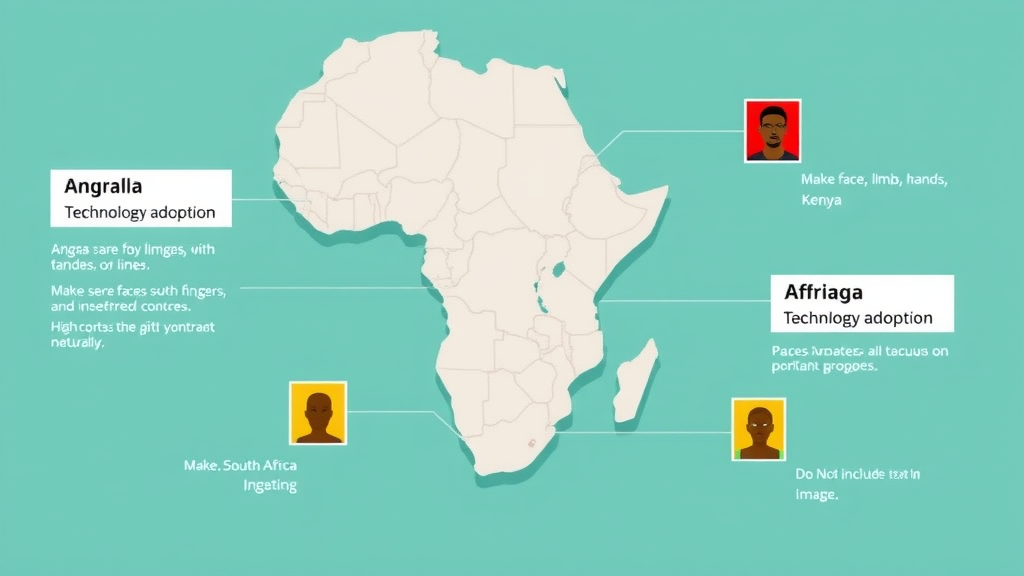
Country Percentage of Women-Owned Businesses Using Advanced Digital Technologies (%) Notable Example
Nigeria 42 She Leads Africa, Jumia
South Africa 39 SweepSouth, Yoco
Kenya 37 AkiraChix, M-Pesa
Ghana 29 E-Helicopter, mPharma

Map of Africa highlighting Nigeria, South Africa, Kenya, and Ghana for technology adoption in women-led businesses

Breaking Down Technology Adoption in African Women-Led Businesses: Trends and Impact

Across the continent, technology adoption in African women-led businesses is no longer the exception—it's quickly becoming the norm. The acceleration of digital transformation is opening doors to a robust digital economy , empowering women to participate fully, compete globally, and raise the bar for innovation. In Kenya, the rise of mobile money through platforms like M-Pesa has enabled even rural female entrepreneurs to manage transactions efficiently. In South Africa, e-commerce tools such as Yoco and SweepSouth have illustrated how tech startups are helping women scale service businesses, from home cleaning to digital consulting, while reducing operational costs and gaining new customer bases.

These advancements not only increase the entrepreneurs in Africa's access to financial services and global marketplaces but also inspire a new generation of women in tech . By leveraging powerful digital technologies , women entrepreneurs are dismantling old barriers and building dynamic ecosystems that foster further innovation, collaboration, and community upliftment.

How Digital Transformation Accelerates Economic Empowerment for Female Entrepreneurs

Empowered African women discussing over laptops, digital transformation in African women-led businesses

Digital transformation is more than adopting a set of tools—it's a mindset shift that propels women entrepreneurs into new realms of possibility. By going digital, African women-led businesses gain visibility, automate day-to-day processes, and reduce overheads. Consider an entrepreneur launching a fashion label: using a mobile app or integrated digital platform , she can manage inventory, fulfill orders worldwide, and connect directly with consumers via social media . This creates new revenue streams and fosters financial inclusion, which are essential for economic growth.

Access to digital solutions also allows female entrepreneurs to break the cycle of limited access—one of the most significant challenges outlined by both the World Bank and African Union. Mobile banking, e-wallets, and e-commerce have leveled the playing field, enabling women to access microloans and manage finances for business expansion. The ripple effect: families, communities, and entire regions prosper as economic empowerment takes root and blossoms across the continent.

The Digital Technologies Behind Successful Women Entrepreneurs in Africa

The backbone of success for many women entrepreneurs lies in their adoption of several core digital technologies . These include cloud-based business management platforms, mobile banking systems, and integrated digital marketing suites. Tools such as QuickBooks for accounting, Shopify for e-commerce, and WhatsApp Business for customer relation management offer affordable, scalable, and easily adoptable solutions. For instance, AkiraChix in Kenya equips young women with coding and tech development skills, creating immediate opportunities for both self-employment and tech startup growth.

The transition to digital platforms not only boosts business efficiency but also reduces reliance on traditional, and often exclusionary, banking and retail infrastructures. These technologies support improved data tracking, customer acquisition, and remote collaboration—all vital in a world where physical boundaries are increasingly irrelevant. They also enable African women entrepreneurs to respond with agility to market changes and tap into global trends, ensuring their businesses stay resilient and future-ready.

Mobile Apps and Social Media: The Cornerstones of Modern Women-Led Businesses

Mobile technology and social media platforms are truly the lifeblood for Africa’s new wave of women entrepreneurs . A simple mobile app , like those provided by M-Pesa or Flutterwave, enables secure payments, supply chain management, and customer engagement, even in remote locations. Social media channels including Instagram, Facebook, and Twitter not only provide affordable marketing but also serve as dynamic spaces for community building, customer feedback, and collaboration with other female entrepreneurs.

These digital tools have made it possible for even micro- or small-scale businesses to go regional or global overnight, closing the historic gender gap in market access and visibility. In fact, the most agile and successful african women -owned brands have been those proactively engaging their audiences on social media, personalizing experiences, and pivoting quickly to meet shifting consumer trends.

Economic Empowerment: How Technology Adoption Shapes Opportunities for African Women

Visionary African businesswoman presenting on a digital tablet, technology adoption for economic empowerment in African women-led businesses

The connection between technology adoption and economic empowerment for african women is powerful and direct. Digital solutions enable women to access financial services, diversify income streams, and manage complex businesses with minimal resources. More importantly, technology lowers entry barriers, reduces the costs associated with traditional business setups, and makes it easier for women to reach markets previously out of reach. Whether it's through e-commerce sites like Jumia or mobile payment systems like M-Pesa, female entrepreneurs are harnessing these platforms to achieve financial independence and drive innovation.

This groundswell of women-led businesses leveraging technology has created new employment opportunities and expanded social networks—catalyzing the kind of inclusive economic development championed by global agencies like the World Bank and United Nations . The new generation of empowered women in tech are also role models, inspiring others and helping to close the gender gap in leadership and business ownership.

Digital Economy: New Frontiers for Women Entrepreneurs and Female-Led Tech Startups

Africa’s digital economy is unlocking new opportunities for women entrepreneurs by providing access to digital marketplaces, gig platforms, and specialized tech incubators. Across the continent, organizations like She Leads Africa and AkiraChix are fostering the growth of tech startups focused on empowering women and solving uniquely African challenges.

These digital frontiers allow female entrepreneurs to participate in global trade, collaborate across borders, and build sustainable businesses that lift local economies. The proliferation of online payments, mobile money, and virtual training has accelerated the shift toward remote working and borderless commerce, making the digital economy an equalizing force and a hotbed for innovation.

The Power of Empowering Women in Tech: Inspiring African Women Leading by Example

Visibility matters. With figures like Ada Osakwe (Nuli Juice, Nigeria), Aisha Pandor (SweepSouth, South Africa), and Judith Owigar (AkiraChix, Kenya), the continent has a vanguard of influential role models. These women have turned digital technology from a competitive advantage into the heart of their business models, demonstrating lived success for aspiring founders.

Their journeys prove that investment in STEM education , mentorship, and inclusive policy is paying off. These trailblazers are actively advocating for greater female representation in boardrooms and tech development spaces, reinforcing the message that empowering women is good for business and societal progress.

Key Drivers of Technology Adoption in African Women-Led Businesses

Access to Affordable Technology and Mobile Solutions

African woman entrepreneur using mobile phone for business, technology adoption in African women-led businesses

One of the top reasons for the acceleration in technology adoption in African women-led businesses is improved access to affordable digital solutions. With the widespread penetration of smartphones and internet access, mobile-based apps and platforms have become accessible to even the most rural communities. These mobile apps are not just for communication; they are vital business tools for messaging, accounting, inventory tracking, and financial transactions. For many women entrepreneurs , a smartphone is the single most important piece of their business toolkit.

Affordability means more women can transition their cottage industries to formal enterprises, track growth, and participate in the digital economy . This democratization of technology is erasing historical disadvantages and is one key reason why so many African women entrepreneurs are seeing rapid success.

Digital Literacy Initiatives: Closing the Gender Gap in Tech

African women of different ages learning digital skills, closing gender gap in tech

Programs aimed at boosting digital literacy are pivotal for bridging the gender gap in African technology sectors. Initiatives like AkiraChix, Girl Code, and local university programs are empowering women of all ages to acquire marketable tech skills—from basic programming to advanced digital marketing. By arming women with the tools to navigate and innovate in a digital-first economy, these interventions are fostering a pipeline of future founders, leaders, and job creators.

Digital literacy efforts also encourage greater confidence among female entrepreneurs in experimenting with and investing in new digital technologies . When women can fully leverage digital tools, the odds of business success and economic empowerment increase dramatically.

Influence of Social Media on Women Entrepreneurs and Female-Led Business Growth

Social media has rewritten the rules for business growth in Africa. Platforms like WhatsApp, Instagram, and Facebook have broken traditional marketing molds, giving women entrepreneurs the ability to reach millions with minimal upfront investment. The viral nature of social media means that success stories, customer testimonials, and new products can rapidly gain momentum.

This influence extends beyond sales—it shapes brand identity, builds credibility, and fosters new partnerships. For african women , social media is more than a promotional tool: it is community, education, and market research combined.

Case Studies: Women Entrepreneurs in Africa Navigating Digital Transformation

Examples like Yoco (South Africa) have shown how digital point-of-sale technology transforms small vendors into multi-branch businesses. Others, such as She Leads Africa , prove the power of digital education and community in scaling both numbers and business profits. These women entrepreneurs adapted rapidly during the pandemic, pivoting to e-commerce and virtual events, allowing them to continue growth when others paused.

Such success stories are motivating new waves of female entrepreneurs to explore the value of digital transformation, further accelerating progress toward broad-based economic empowerment.

Obstacles to Technology Adoption in African Women-Led Businesses

Cultural, Social, and Economic Barriers Facing Female Entrepreneurs

Serious African woman working alone with laptop, reflecting on obstacles to technology adoption

Despite impressive gains, many women entrepreneurs face deeply ingrained cultural, social, and economic barriers to technology adoption. In some communities, traditional gender norms discourage investment in women’s businesses, leading to limited access to critical resources like education and seed capital. Economic instability can exacerbate the situation, making it harder for female-led businesses to prioritize digital transformation over immediate operational needs.

Additionally, women in rural regions face layered challenges: fewer network connections, lower access to tech mentors, and sometimes even skepticism about women’s role in business. Overcoming these requires a multifaceted approach involving education, advocacy, and support from the private sector and civil society.

Challenges of Access to Capital for Technology Investment

A major challenge for women entrepreneurs is access to the funding required for technology investment. Studies confirm that women receive less venture capital than men, even when their business ideas are equally viable. This “funding gap” stymies the growth of startups and prevents digital expansion. Many banks and investors in Africa still perceive women-led businesses as risky or less scalable—perceptions that urgently need to change.

Overcoming this requires targeted policy, more inclusive loan products, and diversified sources of startup finance. Microfinance, crowd-funding, and government-backed grants are all helping close this gap, but more must be done to ensure that globally competitive women in tech have the resources to reach their full potential .

Bridging the Digital Divide: Infrastructure Issues for Entrepreneurs in Africa

African woman entrepreneur using digital device in rural and urban settings, bridging the digital divide

Connectivity and infrastructure disparities remain key hurdles for many african women aiming to digitize their businesses. High data costs, unreliable power supplies, and gaps in rural broadband access all slow down the spread of digital adoption. For thousands of entrepreneurs in Africa , this means that access to the digital economy is still a distant promise.

However, the rapid rollout of mobile data, innovative solar energy solutions, and governments recognizing the importance of a connected ecosystem provide hope. Cross-sector collaboration will be essential to ensure women have uninterrupted access to the digital tools that drive inclusive growth.

Role of Policy and Advocacy in Supporting African Women Entrepreneurs

Government policy and advocacy organizations play a pivotal role in leveling the playing field. National strategies that invest in ICT infrastructure, fund STEM education for girls, and support digital literacy among women are seeing real results. For example, governments in Ghana and Kenya are investing in community tech hubs, while advocacy groups push for fairer regulatory frameworks around digital finance and intellectual property.

These partnerships—between policymakers, civil society, and the private sector—are crucial to sustain the momentum of technology adoption and ensure the continent's impressive female founders are heard and supported at every stage of their journey.

Success Stories: Women Entrepreneurs and Tech Startups Transforming Africa

"Technology has given African women a new voice and power to compete globally." — Leading Women in Tech, South Africa

Featured Female Entrepreneurs Leading Digital Transformation

Group of African female tech entrepreneurs celebrating, digital transformation in African women-led businesses

Africa boasts an inspiring ecosystem of female founders who have leveraged digital solutions to grow startups into continental powerhouses. Odunayo Eweniyi (PiggyVest, Nigeria), Aisha Pandor (SweepSouth, South Africa), and Vanessa Mdee (Mdee Music, Tanzania) are but a few shining examples of women creating jobs and building sustainable enterprises through technology adoption.

Their digital-first strategies—from online financial platforms to scalable e-commerce and media brands—are proving that women in tech are a driving force behind Africa’s economic development and catalyze a more inclusive future. They show young girls and aspiring women entrepreneurs that not only is it possible, but it is already happening.

Tech Startups Empowering Women and Driving the Digital Economy

Organizations like AkiraChix , She Leads Africa , and SweepSouth provide inspiring blueprints of how tech startups can both empower women and supercharge Africa’s entry into the digital economy . By giving women practical skills and digital tools, these companies address the gender gap head-on and enable women to convert their creativity and talent into real economic value.

Their approaches—offering everything from coding bootcamps to business acceleration programs—demonstrate the impact made when private sector, government, and donors join forces behind the single vision of empowering women for a digitally-driven future.

Future Outlook: The Evolving Role of Technology Adoption in African Women-Led Businesses

African woman business leader interacting with virtual holographic data, future of technology adoption in African women-led businesses

Predictions on Digital Transformation for Female Entrepreneurs Post-2024

Looking ahead, it’s clear that technology adoption in African women-led businesses will define the coming decade’s economic narrative. Experts predict that adoption of artificial intelligence, smart logistics, and e-learning platforms will become standard features even in remote communities. As digital infrastructure matures, more women will launch scalable startups, lead fintech innovation, and disrupt traditional sectors.

This digital transformation will also accelerate financial inclusion, bridging the gender gap while making Africa a pioneer in digital banking, mobile commerce, and platform entrepreneurship.

Innovative Digital Technologies Expected to Shape the Next Decade

Emerging trends point to blockchain for transparent transactions, AI-driven supply chains, and augmented reality for customer experience enhancement being at the forefront of future business. For women entrepreneurs , the next generation of digital technologies will enable smarter business operations, better consumer insights, and more robust product offerings.

The integration of digital tools will not only drive profitability but support sustainable development goals and foster inclusive participation in the formal economy—transforming both cityscape and rural enterprise alike.

Building Sustainable Tech Ecosystems for Economic Empowerment

The foundation of lasting success lies in robust tech ecosystems. This means investing in female-driven innovation hubs, supporting STEM education from early years onward, and fostering public-private partnerships that keep the doors open for the next wave of women in tech . With a focus on mentorship, affordable access, and progressive policies, Africa can solidify its place as a global leader in empowering women entrepreneurs through sustainable digital transformation.

The prize is enormous: communities free of gender bias, economies driven by creativity, and a tech sector as diverse as the continent itself.

Actionable Steps: How Policy, Education, and Support Networks Can Accelerate Women’s Digital Empowerment

  • Enhance access to affordable digital resources
  • Expand digital literacy and entrepreneurship training
  • Foster women-focused e-commerce and fintech initiatives
  • Promote mentorship and global networking

Frequently Asked Questions on Technology Adoption in African Women-Led Businesses

  • What types of digital technologies are most effective for African women entrepreneurs? African women entrepreneurs benefit most from mobile payment platforms (like M-Pesa), social media marketing tools, e-commerce software, cloud-based business management apps, and fintech solutions tailored for microbusinesses. Each tool helps to streamline business processes, access broader markets, and manage finances efficiently.
  • How does technology adoption lead to economic empowerment for female business leaders? Technology adoption provides female business leaders with the ability to automate processes, access finance, and expand their customer base. This creates opportunities for business growth, job creation, and increased income, all of which are vital building blocks for economic empowerment and sustainable development.
  • What are the main obstacles African women face in adopting new technologies? The main obstacles include limited access to capital for tech investment, lack of digital literacy, cultural biases, and infrastructure challenges such as unreliable power or internet connectivity. Bridging these gaps requires coordinated action from governments, NGOs, and the private sector.
  • Which countries are leading in supporting women-led tech startups in Africa? Nigeria, South Africa, Kenya, and Ghana are leaders in fostering women-led tech startups, driven by government support, vibrant tech hubs, and a proliferation of local mentorship and networking programs.

What People Also Ask About Technology Adoption in African Women-Led Businesses

How are digital technologies changing the landscape for African women entrepreneurs?

Digital technologies are enabling African women entrepreneurs to access larger markets, streamline operations, and grow their brands beyond borders. With mobile apps and online platforms, women can manage all aspects of business remotely, connect with global customers, and access vital financial services. This evolution is closing the gender gap and ensuring African women participate fully in the digital economy.

What support do African women in tech receive from investors and policy makers?

African women in tech are increasingly supported through grants, venture capital tailored for female founders, and government-backed digital literacy programs. Policy makers in countries like Kenya and Nigeria are actively creating incentives for women-led businesses, and private sector partnerships are providing mentorship and funding to scale promising startups.

Which digital transformation strategies work best for female-led businesses in Africa?

The most effective strategies include adopting cloud-based business management tools, leveraging social media for marketing, engaging with mobile banking, and continuously upgrading digital skills through online learning. Collaboration with established tech hubs and partnering on digital literacy programs also accelerate growth and resilience in female-led businesses.

Can technology adoption bridge the gender gap in African entrepreneurship?

Absolutely, technology adoption is already narrowing the gender gap by giving African women equal access to business tools, training, and financing. Digital platforms break traditional barriers, enabling women to compete on a level playing field, scale enterprises faster, and increase representation in leadership roles.

Summary: The Transformative Power of Technology Adoption in African Women-Led Businesses

"Empowering women through technology isn’t just good for business — it lifts entire economies."

By making digital transformation an urgent priority, African women entrepreneurs can achieve financial independence, drive economic development, and inspire the next generation to reach for the extraordinary. The journey is ongoing, but the momentum is unstoppable.

Take Action: Accelerate Progress in Technology Adoption for African Women-Led Businesses Today

Now is the time to invest, mentor, advocate, and innovate for technology adoption in African women-led businesses . Every step forward unlocks new futures—for Africa and the world.

In the rapidly evolving digital landscape, African women entrepreneurs are harnessing technology to drive business growth and economic empowerment. For instance, the Women’s Technology Empowerment Centre (W.TEC) in Nigeria provides technology education, mentoring, and training to women and girls, equipping them with essential digital skills to thrive in various industries. ( en.wikipedia.org ) Similarly, Tech Herfrica focuses on bridging the digital divide by offering digital and financial literacy programs, as well as access to e-commerce platforms, enabling rural women to expand their market reach and improve their livelihoods. ( en.wikipedia.org ) These initiatives exemplify how targeted support and education can empower women entrepreneurs to leverage technology effectively, fostering inclusive economic development across the continent.

Tech Trends

0 Comments

Write A Comment

*
*
Please complete the captcha to submit your comment.
Related Posts All Posts
08.28.2026

The Timeless Power of a Handshake in Business

In today’s fast-paced, AI-driven business landscape, it’s easy to forget that the most lasting and powerful transactions often begin with the simplest gesture — a handshake. This foundational act transcends technology and time, embodying trust and human connection. The business handshake importance lies in its ability to build authentic relationships, sparking confidence and setting the stage for collaboration. As The Meridian Founder of The Personal Brand Africa reflects, “before any tool, before AI, business has always started belly to belly, eye to eye, with trust passing in a single moment. ” This article delves deeply into why the handshake remains essential in business, its nuances, and how mastering this tradition can empower professionals across Africa and beyond. The Foundational Role of the Business Handshake Importance in Building Trust The handshake is far more than a customary greeting; it is a symbolic trust transaction. Since antiquity, this action has conveyed openness and goodwill, reassuring parties that intentions are genuine. In business contexts, trust is currency — without it, agreements falter and partnerships dissolve. Business handshake importance stems from this deep-rooted cultural and emotional significance. It acts as the first tangible connection, often determining whether trust will flourish. Despite the rise of digital meetings and virtual networking, nothing quite replaces the human element of a handshake. It offers a moment to gauge sincerity, respect, and professionalism. “A handshake is the original contract, before contracts were contracts,” says The Meridian Founder, illustrating its primacy as a business ritual. It sets expectations and signals a willingness to engage honestly. For African entrepreneurs and executives carving new paths in a dynamic world, this tradition remains a grounding force amid change. For those interested in expanding their approach to building trust and ownership in business relationships, exploring frameworks that emphasize sovereignty and personal agency can provide valuable tactical insights. The Sovereignty Frameworks article offers practical strategies for establishing clear boundaries and fostering authentic connections in professional environments. Why the Business Handshake Importance Remains Unchanged in Modern Times While tools and technologies evolve, the essence of interpersonal trust does not. The intangible qualities conveyed through a handshake — confidence, respect, and reliability — cannot be fully replicated by email, chat, or even video calls. The handshake is an immediate, physical assurance that transcends words, providing subtle social cues such as warmth and engagement. Moreover, in cross-cultural business environments, the handshake acts as a universal language of professionalism. It allows diverse stakeholders to establish a shared baseline of respect, essential for successful collaboration. “There is a new kind of founder rising across Africa — grounded, clear, and trusted — continuing this timeless gesture as they navigate a changing intelligence landscape,” states The Meridian Founder, underscoring the unchanging value of the handshake in forging genuine connections. Eye Contact and the Business Handshake Importance: The Silent Communicator In the sequence of a handshake, eye contact is the silent but powerful communicator that amplifies the handshake’s impact. Maintaining direct, comfortable eye contact during a handshake conveys sincerity and attentiveness. It reassures the other party that you are fully present in the interaction, fostering a stronger bond of trust. Eye contact is an essential complement to the business handshake importance because it facilitates emotional connection without words. A warm, steady gaze during the handshake signals openness and confidence, opening doors for meaningful engagement. Conversely, avoiding eye contact may suggest disinterest or evasiveness, undermining first impressions. How to Maintain Eye Contact Effectively During a Handshake To maintain eye contact effectively during a handshake, approach the interaction with genuine interest and a relaxed demeanor. Begin by meeting your counterpart’s gaze confidently as you extend your hand. Hold the gaze naturally without staring aggressively — think of it as a friendly conversation through your eyes, paired with a sincere smile. It’s important to remain mindful of cultural nuances regarding eye contact but, in general business contexts, steady and comfortable eye contact shows respect and transparency. “Trust passes eye to eye, hand to hand,” reminds The Meridian Founder, encouraging professionals to prioritise this connection during introductions for maximum impact. The Right Hand: Tradition and Practicality in Business Handshake Importance The use of the right hand in business handshakes is entrenched in tradition and practicality. Historically, since the right hand was the primary hand for weapon use, offering it unarmed signified peaceful intentions. Today, extending the right hand is a global business norm, symbolizing respect and cooperation. Using the right hand also ensures comfort and consistency in the handshake encounter. It prevents awkwardness and confusion, helping to establish smooth first contact. “Always shake with the right hand — it’s a universal rule that signals readiness and respect,” advises The Meridian Founder of The Personal Brand Africa, emphasizing how this simple practice supports effective business introductions across cultures. First Impressions and the Business Handshake Importance: Setting the Tone First impressions carry immense weight in business, and the handshake is often the very first physical interaction that sets the tone. A confident, well-executed handshake can instill trust and project professionalism, increasing the likelihood of positive outcomes in negotiations and partnerships. Conversely, a poor handshake can plant seeds of doubt, making recipients question your confidence, integrity, or social awareness. Because the handshake is among the first behaviours noticed, it functions as a nonverbal 'introduction', significantly influencing perceptions. Common Mistakes That Undermine First Impressions in Handshakes There are several handshake mistakes that can detract from the positive business handshake importance, including limp or overly aggressive grips, inappropriate finger use, or insufficient eye contact. Such missteps can convey disinterest, insecurity, or even intimidation. Avoiding these errors helps protect the reputation you wish to build from the outset. Avoiding the “limp fish” handshake is critical, as it suggests weakness or disconnection. Similarly, the “bone-crusher” grip can overwhelm the other person, implying dominance rather than collaboration. Lastly, finger-only grips feel insincere and incomplete, failing to create a solid connection. Mastering a balanced handshake builds respect and rapport instantly. Message Matters: What Your Handshake Communicates Beyond Words Your handshake is a nonverbal message carrier that reinforces or undermines your verbal communication. A firm, confident handshake paired with direct eye contact reiterates professionalism, trustworthiness, and openness — qualities essential for successful business relationships. Professionals can use their handshake strategically to align with their business message. For instance, a well-timed, warm handshake at the start of negotiations indicates respect and interest, setting a collaborative tone. Conversely, a rushed or disengaged handshake risks sending a message of indifference or mistrust. How to Use Your Handshake to Reinforce Your Business Message To leverage the handshake effectively, synchronize it with your verbal and nonverbal cues. Smile genuinely, maintain eye contact, and offer a warm yet firm grip. This combination underscores confidence and helps solidify your intended message of reliability and partnership. As The Meridian Founder explains, “Your handshake is more than a greeting; it is your silent ambassador. It tells your story before a word is spoken. Harness its power carefully to ensure your business message resonates authentically. ” What You'll Learn: Mastering the Business Handshake Importance The historical and cultural significance of the handshake in business How eye contact enhances the handshake's effectiveness The importance of using the right hand and proper technique Common handshake mistakes to avoid How to align your handshake with your business message for maximum impact People Also Ask Why is a handshake so important? The handshake is a fundamental gesture that builds trust, signals respect, and initiates relationship-building in business. It provides a physical connection that reassures parties of good intentions and professionalism, making it crucial for first impressions and establishing rapport. As stated by The Meridian Founder, “Trust passes between two people in a single moment with a handshake. ” What are the three handshakes to avoid? The three handshakes to avoid include the limp handshake (which suggests weakness), the bone-crusher grip (which can intimidate), and the finger-only handshake (which appears insincere). These types undermine the handshake's purpose to build trust and confidence. Why is it important to give a firm handshake? A firm handshake conveys confidence, sincerity, and professionalism. It signals to the other person that you are engaged and trustworthy. A weak handshake can imply disinterest or insecurity, while an overpowering grip may intimidate. What is a golden handshake in business? A “golden handshake” traditionally refers to a generous severance package given to an employee leaving a company. It is unrelated to the physical act of shaking hands but emphasizes the symbolic appreciation and respect in business relationships. Common Mistakes and Misconceptions About the Business Handshake Importance Many professionals underestimate the handshake or dismiss it as outdated in the digital age. However, common misconceptions include thinking that a handshake is irrelevant during virtual meetings or that it should be strong regardless of context. Misjudging firmness, timing, or accompanying body language can damage impressions. Proper education on handshake etiquette remains essential to avoid these pitfalls. Actionable Tips for Perfecting Your Business Handshake Use your right hand and ensure it is clean and dry. Offer a firm but not overpowering grip. Maintain eye contact and smile genuinely. Match the other person’s handshake style to build rapport. Release the handshake after 2-3 seconds to avoid awkwardness. Key Takeaways The business handshake remains a vital tool for building trust and first impressions. Eye contact and the right hand usage amplify the handshake’s effectiveness. Avoid common handshake mistakes to maintain professionalism. Your handshake communicates non-verbal messages that impact business relationships. Conclusion Master the art of the handshake to unlock deeper trust and meaningful business connections in any professional setting. Join the conversation about the Founders Readiness pathway, in the Age Of AI: https://The.PersonalBrand.Africa/founder-sole-identity-visitor-space As you continue to refine your approach to building trust and making impactful first impressions, consider how broader frameworks of ownership and self-leadership can elevate your business journey. Delving into the principles outlined in Sovereignty Frameworks ~ Build What You Own can help you develop a resilient foundation for both personal and professional growth. By integrating these advanced strategies, you’ll be better equipped to navigate complex business environments and foster relationships that are not only authentic but also sustainable. Take the next step in your leadership evolution by exploring how sovereignty and intentionality can shape your unique path to success. Sources https://careerconnections.smeal.psu.edu/blog/2024/03/28/the-mechanics-of-a-handshake-and-why-it-matters/https://etiquette-ny.com/the-power-of-the-perfect-handshake/https://en.wikipedia.org/wiki/Handshakehttps://www.northcharlestonchamber.org/general/the-importance-of-a-strong-handshake/https://salesgravy.com/is-your-handshake-creating-rapport-or-sabotaging-sales/

08.28.2026

Building Trust in Modern African Entrepreneurship

In African entrepreneurship, the foundation of every successful venture remains unchanged despite rapid technological evolution: trust in African startups. As The Meridian Founder of The Personal Brand Africa emphasizes, business in Africa has always begun with a handshake—a simple yet powerful gesture symbolizing trust. This foundational element now guides a new generation of African entrepreneurs who blend tradition with innovation for sustainable success. In this article, discover why trust continues to be the bedrock of African startups and how modern founders are uniquely building it in a digital age. The Timeless Power of Trust in African Startups The Handshake: Symbolizing Trust Before Technology Before digital tools and AI transformed how we connect, African business began face-to-face, person-to-person. “Before any of this, before AI, before search, before a single tool had a name, business here has always started the same way. Belly to belly. Eye to eye. A hand extended, and trust passing between two people in a single moment,” explains The Meridian Founder of The Personal Brand Africa. This profound human connection formed the foundation of all business deals, relationships, and reputations. This gesture of the handshake remains emblematic across Africa, symbolizing authenticity and trustworthiness in business. No technological innovation, no matter how advanced, can replace the emotional and cultural power of that first human connection. It’s where trust is born and from which all progress flows. Why Trust Remains the Foundation Despite Technological Advances In an age where African startups increasingly leverage mobile money, fintech platforms, and AI assistants, one might assume technology shifts the center of gravity away from personal trust. Yet, the opposite is true. Trust continues to underpin every transaction, partnership, and community engagement. Technology may facilitate speed and scale, but it cannot replicate the confidence built through transparency and authentic relationships. “Everything we are about to talk about begins right there, with you, and the trust you have always known how to build,” The Meridian Founder reminds us. This human element is irreplaceable, especially as the African startup ecosystem grows more complex and competitive. Trust acts as a stabilizing force, enabling brands to differentiate themselves and foster long-term loyalty in a crowded digital marketplace. Emerging Trends in African Tech and Their Impact on Trust in African Startups The New Generation of African Founders: Grounded and Trustworthy A fresh wave of African entrepreneurs is rising—those who value clarity and genuine connections over performative displays. They are not chasing every new tool just because it exists. “There is a new kind of founder rising across Africa and the diaspora right now. Not louder. Not more performative. Not more obsessed with tools for the sake of tools. Just clearer. More grounded. More trusted,” asserts The Meridian Founder. These founders understand the importance of balancing innovation with relationship-driven business models. Their approach resonates deeply in local and global markets because it merges the timeless principle of trust with the opportunities presented by African tech innovations such as mobile money and digital marketplaces. For founders seeking to reinforce trust while maintaining ownership and control, exploring sovereignty frameworks can provide practical strategies for building resilient, founder-led ventures. Discover actionable approaches in this guide to building what you own. How African Tech Innovations Are Shaping Trust Dynamics The rapid development in African technology sectors—fintech, agritech, e-commerce, and tech talent development—is reshaping how trust is built and maintained. For example, fintech platforms that prioritize transparent communication and reliable service delivery create trust bridges between startups and their customers. Moreover, African entrepreneurs leverage social proof and community engagement as trust-building tools. These innovations support but do not replace the human connection. As the tech landscape evolves, trust dynamics adapt but remain rooted in authenticity and credibility. Strategies to Build Trust in African Startups Authenticity and Transparency as Pillars of Trust Successful African startups recognize authenticity is non-negotiable. Founders who present transparent business practices and genuine communication foster trust organically. Providing clear information on operations, plans, and challenges demonstrates respect and integrity towards customers and investors. For instance, sharing transparent business documents openly with teams and stakeholders signals a culture of honesty that translates into increased investor confidence and customer loyalty. Such openness reinforces the community’s belief in the startup’s mission and values. Community Engagement and Relationship Building Building trust in African startups goes beyond internal transparency—it requires active engagement with local communities. When startups invest in relationships with stakeholders, they solidify trust by showing commitment and empathy. Community involvement humanizes brands and creates advocates. Regular community interactions enable startups to understand cultural nuances and economic realities, tailoring their services to meet genuine needs. This approach builds mutual respect, making companies part of the social fabric and reinforcing trust bonds. Leveraging Technology Without Losing the Human Touch Incorporating technology to streamline operations and expand reach is vital for African startups. However, it must augment—not replace—the foundational human connection. Using digital tools thoughtfully ensures that trust is maintained while enhancing efficiency. Startups that combine face-to-face interactions with digital engagement foster a hybrid trust model. This blended approach meets the expectations of modern consumers, who value convenience but also crave authentic relationships with brands. Common Challenges to Building Trust in African Startups and How to Overcome Them Misconceptions About African Entrepreneurship One major obstacle is overcoming negative stereotypes about African businesses being unreliable or opaque. These misconceptions hinder foreign investment and slow growth for startups. African entrepreneurs are actively breaking these narratives by consistently demonstrating professionalism and transparent practices. By highlighting success stories and emphasizing trust-focused strategies, founders educate stakeholders and shift global perceptions to recognize Africa’s growing credibility in business. Navigating Cultural and Economic Barriers Africa’s vast and diverse cultural landscape can complicate trust-building, as norms and expectations vary widely. Economic instability in some regions adds further layers of complexity. Successfully building trust requires understanding these cultural differences and adapting approaches accordingly. Entrepreneurs who embrace local customs, foster open communication, and remain patient in relationship-building mitigate these challenges. This culturally sensitive approach reinforces authentic trust and eases economic uncertainties through shared confidence. What You'll Learn: Key Insights on Trust in African Startups The enduring importance of personal trust in African business culture How modern African founders balance technology and human connection Effective methods to build and sustain trust in startups Challenges unique to African entrepreneurship and practical solutions People Also Ask What are the top 10 startups in Africa? Leading startups such as Flutterwave, Twiga Foods, Jumia, and Andela have pioneered innovative solutions across fintech, agritech, e-commerce, and tech talent sectors. Their growth reflects the integral role trust in African startups plays in gaining investor confidence, building customer loyalty, and scaling sustainably throughout the continent. Why is Bill Gates investing in Africa? Bill Gates’ investment interests in Africa stem from the continent’s emerging digital economy and potential for impactful innovation. Trust in African startups and their transparent business models has bolstered global confidence, making Africa a strategic arena for philanthropic and venture investments. Which African country is best to make money for foreigners? Countries like Nigeria, Kenya, South Africa, and Egypt represent favorable environments for foreign investment due to their stable business climates and growing startup ecosystems. The foundation of trust between local businesses and foreign investors makes these markets especially attractive. What are the big 4 in Africa? The 'Big 4' economies of Africa—Nigeria, South Africa, Egypt, and Kenya—dominate the continent’s startup ecosystem by offering robust infrastructure, vibrant markets, and access to talent. Their leadership amplifies trust in African startups, setting benchmarks for innovation and governance. Tables: Comparative Overview of African Startups and Trust Factors Startup Country Sector Trust-Building Strategy Impact Flutterwave Nigeria Fintech Transparent communication High investor confidence Twiga Foods Kenya Agritech Community engagement Strong local partnerships Jumia Multiple E-commerce Reliable service delivery Customer loyalty Andela Multiple Tech Talent Quality assurance Global trust and recognition Expert Insights & Best Practices from African Entrepreneurs “Everything we are about to talk about begins right there, with you, and the trust you have always known how to build.” — The Meridian Founder, The Personal Brand Africa Building Trust as a Continuous Journey Trust does not happen overnight; it is cultivated continuously through consistent actions and open communication. African entrepreneurs understand that trust-building requires patience, persistence, and a willingness to be vulnerable. It involves not just meeting expectations but exceeding them to establish a lasting reputation. Balancing Innovation with Relationship-Driven Business The most successful startups blend cutting-edge technology with deep interpersonal connections. Founders remain mindful of preserving the human elements in dealings, ensuring that digital advancements are tools to enrich, not replace, trust. Maintaining this balance enables startups to navigate an increasingly digital marketplace without losing their cultural roots. Actionable Tips for Founders to Enhance Trust in African Startups Prioritize face-to-face interactions to establish genuine connections Maintain transparency in all business dealings and communications Engage actively with local communities and stakeholders Leverage technology to support, not replace, personal trust Continuously seek feedback and adapt to build credibility Common Mistakes and Misconceptions About Trust in African Startups Assuming technology alone can replace personal relationships Overlooking cultural nuances in trust-building Neglecting the importance of consistent communication Underestimating the value of local community engagement Key Takeaways Trust remains the foundational element of successful African startups Modern African entrepreneurs blend tradition with innovation Building trust requires authenticity, transparency, and community focus Overcoming challenges involves understanding cultural and economic contexts Conclusion In the evolving landscape of African entrepreneurship, trust in African startups continues to be the bedrock upon which sustainable success is built. As technology advances, the human element remains irreplaceable. By embracing both tradition and innovation, African founders are uniquely positioned to lead with integrity and impact. If you’re inspired to deepen your understanding of how trust, ownership, and sovereignty intersect in the African startup journey, consider exploring frameworks that empower founders to build lasting value. The Sovereignty Frameworks resource offers a strategic perspective on building what you own, ensuring your entrepreneurial vision remains resilient and future-ready. Take the next step to strengthen your foundation and unlock new opportunities for growth in Africa’s dynamic business landscape. We invite you to join the conversation about the Founders Readiness pathway, in the Age Of AI: https://The.PersonalBrand.Africa/founder-sole-identity-visitor-space Sources https://african.business/2026/05/innov-africa-deals/why-africas-next-great-startups-will-be-built-on-judgment-not-just-codehttps://medium.com/@abiolarasaq/african-startups-have-a-trust-problem-and-were-scaling-it-42b991f5edb4https://startupgraveyard.africa/blog/strategies-for-african-startups-to-build-user-loyalty

08.26.2026

How Grounded Leadership is Shaping the Future of African Startups

Before AI, before the buzz around new tools, every successful business journey in Africa began the same way, with a simple handshake. This symbolic gesture carries the timeless transfer of trust. In today’s fast-evolving tech landscape, this foundation remains vital. The Meridian Founder, of The Personal Brand Africa, reminds us, “Because before any of this, before AI, before search, before a single tool had a name, business here has always started the same way. Belly to belly. Eye to eye. A hand extended, and trust passing between two people in a single moment. ” This grounded leadership in startups anchors the new generation of African founders who navigate innovation with clarity and authenticity.Whether you are an aspiring founder, a business stakeholder, or simply intrigued by the rise of African entrepreneurship, this article dives deep into the essence of grounded leadership. It unpacks why trust remains paramount and how it drives sustainable success in a world reshaped by artificial intelligence and economic change. Pull up a chair — this conversation is for you.Establishing Trust: The Timeless Foundation of Grounded LeadershipAt the heart of every strong startup in Africa lies unshakeable trust. The handshake, a universal yet deeply personal act, exemplifies this. Grounded leadership in startups is not about flashy tools or trendy methodologies; it's about the human connection that precedes technology. The authentic exchange between individuals, belly to belly, eye to eye, is a ritual that cultivates the trust necessary for collaboration and growth.This trust endures despite the increasing influence of digital transformation. Indeed, the human element forms the bedrock enabling founders and teams to embrace innovation confidently. By fostering relationships built on mutual respect and transparency, startup leaders create ecosystems where ideas thrive and challenges are met with collective resilience.Trust acts as currency in business exchanges. Its presence or absence determines whether new technologies like AI and machine learning augment a company’s vision or become mere distractions. The Meridian Founder emphasizes, “Everything we are about to talk about begins right there, with you, and the trust you have always known how to build. ” Thus, understanding this foundation is essential for any leader aiming to navigate Africa’s dynamic startup ecosystem.For founders seeking to deepen their leadership approach, exploring frameworks that empower you to build and retain ownership of your innovations can be invaluable. The Sovereignty Frameworks resource offers practical strategies for establishing autonomy and resilience within your startup journey."Because before any of this, before AI, before search, before a single tool had a name, business here has always started the same way. Belly to belly. Eye to eye. A hand extended, and trust passing between two people in a single moment. " — Expert on African Startup LeadershipThe Rise of a New Kind of Grounded Leader in African StartupsCharacteristics of Grounded Leaders in African StartupsThe new wave of African founders is distinct in its approach to leadership. Rather than seeking speed or superficial visibility, these leaders prioritize authenticity and deep-rooted trust. This fresh perspective empowers startups not only to survive but to thrive sustainably in global and local markets.Key characteristics of such leaders include a transparent communication style that fosters openness and reduces misunderstandings. They cultivate a profound connection to their communities and heritage, grounding their innovations in cultural relevance. Importantly, they emphasize inclusive growth strategies, ensuring their businesses uplift broader sections of society rather than merely focusing on short-term gains.This leadership style also entails embracing necessary change, such as AI adoption, while holding firm to core organizational values. Grounded leaders take full accountability for all outcomes, setting a tone of responsibility and transparency that permeates the startup culture.Authenticity and transparency in communicationDeep connection to community and cultureFocus on sustainable and inclusive growthEmbracing change while maintaining core valuesTotal accountability for decisions and outcomesWhy Grounded Leadership Matters in the Age of AI and InnovationAs technology reshapes industries, the role of leadership is evolving, but the essence remains unchanged. Grounded leadership in startups means leading with presence and clarity amidst disruption. In rapidly changing environments, this style helps maintain focus on purpose and values rather than being distracted by every new tool or trend.The Meridian Founder states succinctly, “Grounded leadership is not about the tools you use but the trust you build and the clarity you maintain in a changing world. ” This wisdom underscores the importance of human-centric management in technology-driven sectors. Leaders who balance vision and pragmatism navigate uncertainty better and inspire confidence in their teams and partners.Leadership development today requires an expanded perspective, one that includes building the ‘big picture’ vision while maintaining flexibility. It combines personal authenticity, accountability, optimism, and adaptability, creating a leadership style that empowers startups to innovate responsibly and inclusively.Leadership Development: Building the Big PictureGood leadership transcends crisis management and operational tasks. It involves shaping a compelling narrative for the future and aligning the startup’s mission with societal impact. Grounded leaders see beyond immediate challenges to craft strategies that sustain long-term growth and community benefit.Developing this mindset requires intentional growth across specific traits, emphasized in the table below:Leadership TraitDescriptionImpact on StartupsAuthenticityBeing genuine and transparentBuilds trust with stakeholdersAccountabilityOwning decisions and outcomesEnhances team cohesion and reliabilityVisionSeeing beyond immediate challengesDrives sustainable growthAdaptabilityEmbracing change proactivelyEnsures resilience in volatile marketsCommon Misconceptions About Grounded Leadership in StartupsDespite its growing popularity, grounded leadership is often misunderstood. Some believe it means passivity or avoiding decisive action, but this is far from the truth. Instead, grounded leadership embodies thoughtful, deliberate movement aligned with values and strategy rather than reactive or opportunistic decisions.Another misconception is that grounded leaders reject technology, especially artificial intelligence. On the contrary, these leaders integrate technology thoughtfully to support their vision and values rather than adopting it for novelty’s sake. They leverage tech as a tool, not a crutch, ensuring it enhances human connections and decision-making.Furthermore, being grounded doesn’t imply inflexibility. Rather, it equips leaders to adapt quickly while remaining anchored in core principles, creating trust and continuity even in volatile markets.Grounded leadership is not about being passive or slow to act.It does not reject technology but integrates it thoughtfully.Grounded leaders are not inflexible; they adapt while staying true to core values.Actionable Tips to Become a Grounded Leader in Your StartupTo cultivate grounded leadership within your startup, focus on relationship and trust-building first. Prioritize genuine connections over superficial wins, maintaining open and transparent communication channels with your team and stakeholders. This builds a foundation that withstands challenges and fuels collective progress.Develop a clear, value-driven vision aligned with your community’s needs. This ensures your startup’s growth is sustainable and inclusive. Embody accountability by owning outcomes fully, fostering a culture of integrity and reliability. Lastly, stay adaptable by embracing change without compromising your core principles. This balance equips you to steer your startup confidently through uncertainty.Prioritize building genuine relationships over quick wins.Maintain transparency with your team and stakeholders.Develop a clear vision that aligns with your values and community needs.Embrace accountability by owning both successes and failures.Stay adaptable but grounded in your core principles.People Also AskWhat is the 70-20-10 rule for leadership?The 70-20-10 rule for leadership is a development model suggesting 70% of learning comes from on-the-job experiences, 20% from interactions with others, and 10% through formal education. This underscores the importance of practical, real-world growth — an approach aligned with grounded leadership principles.What is grounded leadership?Grounded leadership emphasizes authenticity, trust, accountability, and clarity. It's about leading with a firm connection to core values and community, prioritizing human relationships above technology or trends, and maintaining vision and adaptability in uncertain times.What are the 5 C's of leadership development?The 5 C’s typically include Character, Competence, Commitment, Connection, and Communication. These traits help leaders build trust, make effective decisions, and inspire teams — foundational elements in grounded leadership within startups.What is Mark Zuckerberg's leadership style?Mark Zuckerberg’s leadership style is often described as visionary and data-driven, emphasizing innovation and rapid iteration. While effective in tech giants, African startups benefit from more grounded, community-aware leadership approaches that embrace transparency and accountability alongside innovation.Key TakeawaysGrounded leadership remains the foundation of successful startups in Africa.Trust and human connection precede technology and tools.New African founders embody clarity, authenticity, and accountability.Leadership development should balance big picture vision with practical action.Becoming a grounded leader requires intentional relationship-building and adaptability.Final ThoughtsGrounded leadership is more than a trend; it’s the durable foundation for African startups destined to shape the future. We invite you to join the conversation about the Founders Readiness pathway, in the Age Of AI: https://The.PersonalBrand.Africa/founder-sole-identity-visitor-spaceIf you’re inspired to take your leadership journey further, consider how sovereignty frameworks can help you build what you truly own in the digital age. By understanding the principles of ownership and autonomy, you can future-proof your startup and lead with greater confidence. Explore the broader landscape of innovation and leadership by delving into Sovereignty Frameworks ~ Build What You Own. This resource offers advanced insights for founders ready to shape their ventures with intention and resilience in a rapidly evolving world.What You'll LearnThe essential role of grounded leadership in startups in building trust and sustainable businessesKey traits of successful African startup leaders in a changing technological landscapePractical tips for developing authenticity, accountability, and adaptabilityHow new African founders integrate culture and community into innovationSourceshttps://maryamtaheri.medium.com/grounded-leadership-is-key-to-success-heres-what-it-means-and-how-to-do-it-621cd53d2a87https://aligntransform.com/grounded-leadership-program/https://www.leadersedgeinc.com/blog/introducing-the-eight-pillars-of-grounded-leadershiphttps://www.ameliakruse.com/2019-6-5-how-to-be-a-grounded-leader-in-our-volatile-and-uncertain-world/https://executiveeducation.wharton.upenn.edu/thought-leadership/wharton-at-work/2026/02/leading-with-grounded-confidence/https://happinesssquad.com/how-grounded-leadership-helps-you-lead-with-strength-and-confidence-in-uncertain-times-with-jason-hanson/https://www.reddit.com/r/startups/comments/ssotkr/how_tf_am_i_supposed_to_be_a_leader/

cropper
update
She E-Boss Diaspora Chronicles

cropper
update

Each month, we take our fellow Africa and Diaspora Women on a journey of discovery with unique themes and curated feeds, empowering each one of you to connect with diverse cultures and inspiring stories that celebrate your womanity and our humanity. Join us and be part of the She E-Boss network and an empowering celebration revolution!

  • update
  • update
  • update
  • update
  • update
  • update
  • update

THE SHE E-BOSS SOLUTIONIST

  • Privacy Policy
  • Terms of Use
  • Advertise
  • Contact Us
  • Menu 5
  • Menu 6

Whatsapp +650-980-9020

AVAILABLE FROM 8AM - 5PM

Africa & Diaspora Network

Discover Our Virtual Academies And Marketing Agencies. Let Us Add Briliance To Your Brand With Our Development Strategies Or
level Up Your 21st Century Digital Tech Frontiers Business Skills
And Personal Growth Mindset

ABOUT OUR MEDIA CHANNEL

Welcome to She E-Boss Cultural Carousel, your ultimate digital media destination for exploring the richness of global celebrations and cultural events. Our platform is dedicated to uncovering  trending news, cuisine, traditions, holidays, and stories from around the world, all through the lens of empowerment, inclusivity, and joy.

© 2026 The SHE E-Boss Solutionist All Rights Reserved. 6749 S. Westnedge Avenue, Suite K-161, Portgage, Michigan 49002 . Contact Us . Terms of Service . Privacy Policy

eyJjb21wYW55IjoiVGhlIFNIRSBFLUJvc3MgU29sdXRpb25pc3QgUG9kY2FzdCIsImFkZHJlc3MiOiIsICwgICIsImNpdHkiOiIiLCJzdGF0ZSI6IiIsInppcCI6IiIsImVtYWlsIjoiY2hhdEBzaGVlYm9zc3NvbHV0aW9uaXN0LmNvbSIsInRvcyI6IlBIQStQSE4wY205dVp6NDhaVzArVjJobGJpQjViM1VnYzJsbmJpMXBiaUIzYVhSb0lIVnpMQ0I1YjNVZ1lYSmxJR2RwZG1sdVp5WnVZbk53T3lCNWIzVnlJSEJsY20xcGMzTnBiMjRnWVc1a0lHTnZibk5sYm5RZ2RHOGdjMlZ1WkNCNWIzVWdaVzFoYVd3Z1lXNWtMMjl5SUZOTlV5QjBaWGgwSUcxbGMzTmhaMlZ6TGlCQ2VTQmphR1ZqYTJsdVp5QjBhR1VnVkdWeWJYTWdZVzVrSUVOdmJtUnBkR2x2Ym5NZ1ltOTRJR0Z1WkNCaWVTQnphV2R1YVc1bklHbHVJSGx2ZFNCaGRYUnZiV0YwYVdOaGJHeDVJR052Ym1acGNtMGdkR2hoZENCNWIzVWdZV05qWlhCMElHRnNiQ0IwWlhKdGN5QnBiaUIwYUdseklHRm5jbVZsYldWdWRDNDhMMlZ0UGp3dmMzUnliMjVuUGp3dmNENEtDanh3UGp4aElHaHlaV1k5SW1oMGRIQTZMeTkzZDNjdVoyOXZaMnhsTG1OdmJTSSthSFIwY0RvdkwzZDNkeTVuYjI5bmJHVXVZMjl0UEM5aFBqd3ZjRDRLQ2p4d1BpWnVZbk53T3p3dmNENEtDanh3UGp4emRISnZibWMrVTBWU1ZrbERSVHd2YzNSeWIyNW5Qand2Y0Q0S0NqeHdQbGRsSUhCeWIzWnBaR1VnWVNCelpYSjJhV05sSUhSb1lYUWdZM1Z5Y21WdWRHeDVJR0ZzYkc5M2N5QjViM1VnZEc4Z2NtVmpaV2wyWlNCeVpYRjFaWE4wY3lCbWIzSWdabVZsWkdKaFkyc3NJR052YlhCaGJua2dhVzVtYjNKdFlYUnBiMjRzSUhCeWIyMXZkR2x2Ym1Gc0lHbHVabTl5YldGMGFXOXVMQ0JqYjIxd1lXNTVJR0ZzWlhKMGN5d2dZMjkxY0c5dWN5d2daR2x6WTI5MWJuUnpJR0Z1WkNCdmRHaGxjaUJ1YjNScFptbGpZWFJwYjI1eklIUnZJSGx2ZFhJZ1pXMWhhV3dnWVdSa2NtVnpjeUJoYm1RdmIzSWdZMlZzYkhWc1lYSWdjR2h2Ym1VZ2IzSWdaR1YyYVdObExpQlpiM1VnZFc1a1pYSnpkR0Z1WkNCaGJtUWdZV2R5WldVZ2RHaGhkQ0IwYUdVZ1UyVnlkbWxqWlNCcGN5QndjbTkyYVdSbFpDQW1jWFZ2ZER0QlV5MUpVeVp4ZFc5ME95QmhibVFnZEdoaGRDQjNaU0JoYzNOMWJXVWdibThnY21WemNHOXVjMmxpYVd4cGRIa2dabTl5SUhSb1pTQjBhVzFsYkdsdVpYTnpMQ0JrWld4bGRHbHZiaXdnYldsekxXUmxiR2wyWlhKNUlHOXlJR1poYVd4MWNtVWdkRzhnYzNSdmNtVWdZVzU1SUhWelpYSWdZMjl0YlhWdWFXTmhkR2x2Ym5NZ2IzSWdjR1Z5YzI5dVlXeHBlbUYwYVc5dUlITmxkSFJwYm1kekxqd3ZjRDRLQ2p4d1BsbHZkU0JoY21VZ2NtVnpjRzl1YzJsaWJHVWdabTl5SUc5aWRHRnBibWx1WnlCaFkyTmxjM01nZEc4Z2RHaGxJRk5sY25acFkyVWdZVzVrSUhSb1lYUWdZV05qWlhOeklHMWhlU0JwYm5admJIWmxJSFJvYVhKa0lIQmhjblI1SUdabFpYTWdLSE4xWTJnZ1lYTWdVMDFUSUhSbGVIUWdiV1Z6YzJGblpYTXNJRWx1ZEdWeWJtVjBJSE5sY25acFkyVWdjSEp2ZG1sa1pYSWdiM0lnWTJWc2JIVnNZWElnWVdseWRHbHRaU0JqYUdGeVoyVnpLUzRnV1c5MUlHRnlaU0J5WlhOd2IyNXphV0pzWlNCbWIzSWdkR2h2YzJVZ1ptVmxjeXdnYVc1amJIVmthVzVuSUhSb2IzTmxJR1psWlhNZ1lYTnpiMk5wWVhSbFpDQjNhWFJvSUhSb1pTQmthWE53YkdGNUlHOXlJR1JsYkdsMlpYSjVJRzltSUdWaFkyZ2dVMDFUSUhSbGVIUWdiV1Z6YzJGblpTQnpaVzUwSUhSdklIbHZkU0JpZVNCMWN5NGdTVzRnWVdSa2FYUnBiMjRzSUhsdmRTQnRkWE4wSUhCeWIzWnBaR1VnWVc1a0lHRnlaU0J5WlhOd2IyNXphV0pzWlNCbWIzSWdZV3hzSUdWeGRXbHdiV1Z1ZENCdVpXTmxjM05oY25rZ2RHOGdZV05qWlhOeklIUm9aU0JUWlhKMmFXTmxJR0Z1WkNCeVpXTmxhWFpsSUhSb1pTQlRUVk1nZEdWNGRDQnRaWE56WVdkbGN5NGdWMlVnWkc4Z2JtOTBJR05vWVhKblpTQmhibmtnWm1WbGN5Qm1iM0lnWkdWc2FYWmxjbmtnYjJZZ1pXMWhhV3dnYjNJZ1UwMVRMaUJVYUdseklHbHpJR0VnWm5KbFpTQnpaWEoyYVdObElIQnliM1pwWkdWa0lHSjVJSFZ6TGlCSWIzZGxkbVZ5TENCd2JHVmhjMlVnWTJobFkyc2dkMmwwYUNCNWIzVnlJR2x1ZEdWeWJtVjBJSE5sY25acFkyVWdjSEp2ZG1sa1pYSWdZVzVrSUdObGJHeDFiR0Z5SUdOaGNuSnBaWElnWm05eUlHRnVlU0JqYUdGeVoyVnpJSFJvWVhRZ2JXRjVJR2x1WTNWeUlHRnpJR0VnY21WemRXeDBJR1p5YjIwZ2NtVmpaV2wyYVc1bklHVnRZV2xzSUdGdVpDQlRUVk1nZEdWNGRDQnRaWE56WVdkbGN5QjBhR0YwSUhkbElHUmxiR2wyWlhJZ2RYQnZiaUI1YjNWeUlHOXdkQzFwYmlCaGJtUWdjbVZuYVhOMGNtRjBhVzl1SUhkcGRHZ2diM1Z5SUdWdFlXbHNJR0Z1WkNCVFRWTWdjMlZ5ZG1salpYTXVJRmx2ZFNCallXNGdZMkZ1WTJWc0lHRjBJR0Z1ZVNCMGFXMWxMaUJLZFhOMElIUmxlSFFnSm5GMWIzUTdVMVJQVUNaeGRXOTBPeUIwYnladVluTndPenhvYVdkb2JHbG5hSFFnWTJ4aGMzTTlJbU52YlhCaGJubFRUVk5RYUc5dVpWVndaR0YwWlNJK2JuVnNiRHd2YUdsbmFHeHBaMmgwUGk0Z1FXWjBaWElnZVc5MUlITmxibVFnZEdobElGTk5VeUJ0WlhOellXZGxJQ1p4ZFc5ME8xTlVUMUFtY1hWdmREc2dkRzhnZFhNc0lIZGxJSGRwYkd3Z2MyVnVaQ0I1YjNVZ1lXNGdVMDFUSUcxbGMzTmhaMlVnZEc4Z1kyOXVabWx5YlNCMGFHRjBJSGx2ZFNCb1lYWmxJR0psWlc0Z2RXNXpkV0p6WTNKcFltVmtMaUJCWm5SbGNpQjBhR2x6TENCNWIzVWdkMmxzYkNCdWJ5QnNiMjVuWlhJZ2NtVmpaV2wyWlNCVFRWTWdiV1Z6YzJGblpYTWdabkp2YlNCMWN5NDhMM0ErQ2dvOGNENDhjM1J5YjI1blBsbFBWVklnVWtWSFNWTlVVa0ZVU1U5T0lFOUNURWxIUVZSSlQwNVRQQzl6ZEhKdmJtYytQQzl3UGdvS1BIQStTVzRnWTI5dWMybGtaWEpoZEdsdmJpQnZaaUI1YjNWeUlIVnpaU0J2WmlCMGFHVWdVMlZ5ZG1salpTd2dlVzkxSUdGbmNtVmxJSFJ2T2p3dmNENEtDanh2YkQ0S0NUeHNhVDV3Y205MmFXUmxJSFJ5ZFdVc0lHRmpZM1Z5WVhSbExDQmpkWEp5Wlc1MElHRnVaQ0JqYjIxd2JHVjBaU0JwYm1admNtMWhkR2x2YmlCaFltOTFkQ0I1YjNWeWMyVnNaaUJoY3lCd2NtOXRjSFJsWkNCaWVTQjBhR1VnVTJWeWRtbGpaU1lqTXprN2N5QnlaV2RwYzNSeVlYUnBiMjRnWm05eWJTQW9jM1ZqYUNCcGJtWnZjbTFoZEdsdmJpQmlaV2x1WnlCMGFHVWdKbkYxYjNRN1VtVm5hWE4wY21GMGFXOXVJRVJoZEdFbWNYVnZkRHNwSUdGdVpEd3ZiR2srQ2drOGJHaytiV0ZwYm5SaGFXNGdZVzVrSUhCeWIyMXdkR3g1SUhWd1pHRjBaU0IwYUdVZ1VtVm5hWE4wY21GMGFXOXVJRVJoZEdFZ2RHOGdhMlZsY0NCcGRDQjBjblZsTENCaFkyTjFjbUYwWlN3Z1kzVnljbVZ1ZENCaGJtUWdZMjl0Y0d4bGRHVXVJRWxtSUhsdmRTQndjbTkyYVdSbElHRnVlU0JwYm1admNtMWhkR2x2YmlCMGFHRjBJR2x6SUhWdWRISjFaU3dnYVc1aFkyTjFjbUYwWlN3Z2JtOTBJR04xY25KbGJuUWdiM0lnYVc1amIyMXdiR1YwWlN3Z2IzSWdkMlVnYUdGMlpTQnlaV0Z6YjI1aFlteGxJR2R5YjNWdVpITWdkRzhnYzNWemNHVmpkQ0IwYUdGMElITjFZMmdnYVc1bWIzSnRZWFJwYjI0Z2FYTWdkVzUwY25WbExDQnBibUZqWTNWeVlYUmxMQ0J1YjNRZ1kzVnljbVZ1ZENCdmNpQnBibU52YlhCc1pYUmxMQ0IzWlNCb1lYWmxJSFJvWlNCeWFXZG9kQ0IwYnlCemRYTndaVzVrSUc5eUlEeHpkSEp2Ym1jK1BITndZVzRnYzNSNWJHVTlJbU52Ykc5eU9pTkdSakF3TURBN0lqNTBaWEp0YVc1aGRHVWdlVzkxY2lCaFkyTnZkVzUwTDNCeWIyWnBiR1VnWVc1a0lISmxablZ6WlNCaGJua2dZVzVrSUdGc2JDQmpkWEp5Wlc1MElHOXlJR1oxZEhWeVpTQjFjMlVnYjJZZ2RHaGxJRk5sY25acFkyVWdLRzl5SUdGdWVTQndiM0owYVc5dUlIUm9aWEpsYjJZcExqd3ZjM0JoYmo0OEwzTjBjbTl1Wno0OEwyeHBQZ284TDI5c1Bnb0tQSEErSm01aWMzQTdQQzl3UGdvOGFHbG5hR3hwWjJoMElHTnNZWE56UFNKamIyMXdZVzU1VG1GdFpWVndaR0YwWlNJK1ZHaGxJRk5JUlNCRkxVSnZjM01nVTI5c2RYUnBiMjVwYzNROEwyaHBaMmhzYVdkb2RENDhZbklnTHo0S1BHaHBaMmhzYVdkb2RDQmpiR0Z6Y3owaVkyOXRjR0Z1ZVVGa1pISmxjM05WY0dSaGRHVWlQalkzTkRrZ1V5NGdWMlZ6ZEc1bFpHZGxJRUYyWlc1MVpTd2dVM1ZwZEdVZ1N5MHhOakVzUEdKeUlDOCtDbEJ2Y25SbllXZGxMQ0JOYVdOb2FXZGhiaUEwT1RBd01qd3ZhR2xuYUd4cFoyaDBQanhpY2lBdlBnbzhhR2xuYUd4cFoyaDBJR05zWVhOelBTSmpiMjF3WVc1NVVHaHZibVZWY0dSaGRHVWlQaXN4TmpVd0xUazRNQzA1TURJd1BDOW9hV2RvYkdsbmFIUStQR0p5SUM4K0NqeG9hV2RvYkdsbmFIUWdZMnhoYzNNOUltTnZiWEJoYm5sRmJXRnBiRlZ3WkdGMFpTSStZMmhoZEVCemFHVmxZbTl6YzNOdmJIVjBhVzl1YVhOMExtTnZiVHd2YUdsbmFHeHBaMmgwUGc9PSIsInByaXZhY3kiOiJQSEErUEhOMGNtOXVaejVRVWtsV1FVTlpQQzl6ZEhKdmJtYytQQzl3UGdvS1BIQStQSE4wY205dVp6NVVhR1VnYVc1bWIzSnRZWFJwYjI0Z2NISnZkbWxrWldRZ1pIVnlhVzVuSUhSb2FYTWdjbVZuYVhOMGNtRjBhVzl1SUdseklHdGxjSFFnY0hKcGRtRjBaU0JoYm1RZ1kyOXVabWxrWlc1MGFXRnNMQ0JoYm1RZ2QybHNiQ0J1WlhabGNpQmlaU0JrYVhOMGNtbGlkWFJsWkN3Z1kyOXdhV1ZrTENCemIyeGtMQ0IwY21Ga1pXUWdiM0lnY0c5emRHVmtJR2x1SUdGdWVTQjNZWGtzSUhOb1lYQmxJRzl5SUdadmNtMHVJRlJvYVhNZ2FYTWdiM1Z5SUdkMVlYSmhiblJsWlM0OEwzTjBjbTl1Wno0OEwzQStDZ284Y0Q0OGMzUnliMjVuUGtsT1JFVk5Ua2xVV1R3dmMzUnliMjVuUGp3dmNENEtDanh3UGp4bGJUNVpiM1VnWVdkeVpXVWdkRzhnYVc1a1pXMXVhV1o1SUdGdVpDQm9iMnhrSUhWekxDQmhibVFnYVhSeklITjFZbk5wWkdsaGNtbGxjeXdnWVdabWFXeHBZWFJsY3l3Z2IyWm1hV05sY25Nc0lHRm5aVzUwY3l3Z1kyOHRZbkpoYm1SbGNuTWdiM0lnYjNSb1pYSWdjR0Z5ZEc1bGNuTXNJR0Z1WkNCbGJYQnNiM2xsWlhNc0lHaGhjbTFzWlhOeklHWnliMjBnWVc1NUlHTnNZV2x0SUc5eUlHUmxiV0Z1WkN3Z2FXNWpiSFZrYVc1bklISmxZWE52Ym1GaWJHVWdZWFIwYjNKdVpYbHpKaU16T1RzZ1ptVmxjeXdnYldGa1pTQmllU0JoYm5rZ2RHaHBjbVFnY0dGeWRIa2daSFZsSUhSdklHOXlJR0Z5YVhOcGJtY2diM1YwSUc5bUlFTnZiblJsYm5RZ2VXOTFJSEpsWTJWcGRtVXNJSE4xWW0xcGRDd2djbVZ3Ykhrc0lIQnZjM1FzSUhSeVlXNXpiV2wwSUc5eUlHMWhhMlVnWVhaaGFXeGhZbXhsSUhSb2NtOTFaMmdnZEdobElGTmxjblpwWTJVc0lIbHZkWElnZFhObElHOW1JSFJvWlNCVFpYSjJhV05sTENCNWIzVnlJR052Ym01bFkzUnBiMjRnZEc4Z2RHaGxJRk5sY25acFkyVXNJSGx2ZFhJZ2RtbHZiR0YwYVc5dUlHOW1JSFJvWlNCVVQxTXNJRzl5SUhsdmRYSWdkbWx2YkdGMGFXOXVJRzltSUdGdWVTQnlhV2RvZEhNZ2IyWWdZVzV2ZEdobGNpNDhMMlZ0UGp3dmNENEtDanh3UGp4emRISnZibWMrUkVsVFEweEJTVTFGVWlCUFJpQlhRVkpTUVU1VVNVVlRQQzl6ZEhKdmJtYytQQzl3UGdvS1BIQStQSE4wY205dVp6NVpUMVVnUlZoUVVrVlRVMHhaSUZWT1JFVlNVMVJCVGtRZ1FVNUVJRUZIVWtWRklGUklRVlE2UEM5emRISnZibWMrUEM5d1Bnb0tQRzlzUGdvSlBHeHBQbGxQVlZJZ1ZWTkZJRTlHSUZSSVJTQlRSVkpXU1VORklFbFRJRUZVSUZsUFZWSWdVMDlNUlNCU1NWTkxMaUJVU0VVZ1UwVlNWa2xEUlNCSlV5QlFVazlXU1VSRlJDQlBUaUJCVGlBbWNYVnZkRHRCVXlCSlV5WnhkVzkwT3lCQlRrUWdKbkYxYjNRN1FWTWdRVlpCU1V4QlFreEZKbkYxYjNRN0lFSkJVMGxUTGlBc0xpQkJUa1FnVlZNc0lFbFVKaU16T1R0VElFTlZVMVJQVFVWU1V5d2dSVmhRVWtWVFUweFpJRVJKVTBOTVFVbE5VeUJCVEV3Z1YwRlNVa0ZPVkVsRlV5QlBSaUJCVGxrZ1MwbE9SQ3dnVjBoRlZFaEZVaUJGV0ZCU1JWTlRJRTlTSUVsTlVFeEpSVVFzSUVsT1EweFZSRWxPUnl3Z1FsVlVJRTVQVkNCTVNVMUpWRVZFSUZSUElGUklSU0JKVFZCTVNVVkVJRmRCVWxKQlRsUkpSVk1nVDBZZ1RVVlNRMGhCVGxSQlFrbE1TVlJaTENCR1NWUk9SVk5USUVaUFVpQkJJRkJCVWxSSlExVk1RVklnVUZWU1VFOVRSU0JCVGtRZ1RrOU9MVWxPUmxKSlRrZEZUVVZPVkM0OEwyeHBQZ29KUEd4cFBrMUJTMFZUSUU1UElGZEJVbEpCVGxSWklGUklRVlFnS0drcElGUklSU0JUUlZKV1NVTkZJRmRKVEV3Z1RVVkZWQ0JaVDFWU0lGSkZVVlZKVWtWTlJVNVVVeXdnS0dscEtTQlVTRVVnVTBWU1ZrbERSU0JYU1V4TUlFSkZJRlZPU1U1VVJWSlNWVkJVUlVRc0lGUkpUVVZNV1N3Z1UwVkRWVkpGTENCUFVpQkZVbEpQVWkxR1VrVkZMQ0FvYVdscEtTQlVTRVVnVWtWVFZVeFVVeUJVU0VGVUlFMUJXU0JDUlNCUFFsUkJTVTVGUkNCR1VrOU5JRlJJUlNCVlUwVWdUMFlnVkVoRklGTkZVbFpKUTBVZ1YwbE1UQ0JDUlNCQlEwTlZVa0ZVUlNCUFVpQlNSVXhKUVVKTVJTd2dRVTVFSUNocGRpa2dRVTVaSUVWU1VrOVNVeUJKVGlCVVNFVWdVMDlHVkZkQlVrVWdWMGxNVENCQ1JTQkRUMUpTUlVOVVJVUXVQQzlzYVQ0S0NUeHNhVDVCVGxrZ1RVRlVSVkpKUVV3Z1JFOVhUa3hQUVVSRlJDQlBVaUJQVkVoRlVsZEpVMFVnVDBKVVFVbE9SVVFnVkVoU1QxVkhTQ0JVU0VVZ1ZWTkZJRTlHSUZSSVJTQlRSVkpXU1VORklFbFRJRVJQVGtVZ1FWUWdXVTlWVWlCUFYwNGdSRWxUUTFKRlZFbFBUaUJCVGtRZ1VrbFRTeUJCVGtRZ1ZFaEJWQ0JaVDFVZ1YwbE1UQ0JDUlNCVFQweEZURmtnVWtWVFVFOU9VMGxDVEVVZ1JrOVNJRUZPV1NCRVFVMUJSMFVnVkU4Z1dVOVZVaUJEVDAxUVZWUkZVaUJUV1ZOVVJVMGdUMUlnVEU5VFV5QlBSaUJFUVZSQklGUklRVlFnVWtWVFZVeFVVeUJHVWs5TklGUklSU0JFVDFkT1RFOUJSQ0JQUmlCQlRsa2dVMVZEU0NCTlFWUkZVa2xCVEM0OEwyeHBQZ29KUEd4cFBrNVBJRUZFVmtsRFJTQlBVaUJKVGtaUFVrMUJWRWxQVGl3Z1YwaEZWRWhGVWlCUFVrRk1JRTlTSUZkU1NWUlVSVTRzSUU5Q1ZFRkpUa1ZFSUVKWklGbFBWU0JHVWs5TklFOVNJRlJJVWs5VlIwZ2dUMUlnUmxKUFRTQlVTRVVnVTBWU1ZrbERSU0JUU0VGTVRDQkRVa1ZCVkVVZ1FVNVpJRmRCVWxKQlRsUlpJRTVQVkNCRldGQlNSVk5UVEZrZ1UxUkJWRVZFSUVsT0lGUklSU0JVVDFNdVBDOXNhVDRLUEM5dmJENEtDanh3UGp4emRISnZibWMrVEVsTlNWUkJWRWxQVGlCUFJpQk1TVUZDU1V4SlZGazhMM04wY205dVp6NDhMM0ErQ2dvOGNENVpUMVVnUlZoUVVrVlRVMHhaSUZWT1JFVlNVMVJCVGtRZ1FVNUVJRUZIVWtWRklGUklRVlFnUVU1RUlGTklRVXhNSUU1UFZDQkNSU0JNU1VGQ1RFVWdSazlTSUVGT1dTQkVTVkpGUTFRc0lFbE9SRWxTUlVOVUxDQkpUa05KUkVWT1ZFRk1MQ0JUVUVWRFNVRk1MQ0JEVDA1VFJWRlZSVTVVU1VGTUlFOVNJRVZZUlUxUVRFRlNXU0JFUVUxQlIwVlRMQ0JKVGtOTVZVUkpUa2NnUWxWVUlFNVBWQ0JNU1UxSlZFVkVJRlJQTENCRVFVMUJSMFZUSUVaUFVpQk1UMU5USUU5R0lGQlNUMFpKVkZNc0lFZFBUMFJYU1V4TUxDQlZVMFVzSUVSQlZFRWdUMUlnVDFSSVJWSWdTVTVVUVU1SFNVSk1SU0JNVDFOVFJWTWdLRVZXUlU0Z1NVWWdTRUZUSUVKRlJVNGdRVVJXU1ZORlJDQlBSaUJVU0VVZ1VFOVRVMGxDU1V4SlZGa2dUMFlnVTFWRFNDQkVRVTFCUjBWVEtTd2dVa1ZUVlV4VVNVNUhJRVpTVDAwNlBDOXdQZ29LUEc5c1Bnb0pQR3hwUGxSSVJTQlZVMFVnVDFJZ1ZFaEZJRWxPUVVKSlRFbFVXU0JVVHlCVlUwVWdWRWhGSUZORlVsWkpRMFU3UEM5c2FUNEtDVHhzYVQ1VVNFVWdRMDlUVkNCUFJpQlFVazlEVlZKRlRVVk9WQ0JQUmlCVFZVSlRWRWxVVlZSRklFZFBUMFJUSUVGT1JDQlRSVkpXU1VORlV5QlNSVk5WVEZSSlRrY2dSbEpQVFNCQlRsa2dSMDlQUkZNc0lFUkJWRUVzSUVsT1JrOVNUVUZVU1U5T0lFOVNJRk5GVWxaSlEwVlRJRkJWVWtOSVFWTkZSQ0JQVWlCUFFsUkJTVTVGUkNCUFVpQk5SVk5UUVVkRlV5QlNSVU5GU1ZaRlJDQlBVaUJVVWtGT1UwRkRWRWxQVGxNZ1JVNVVSVkpGUkNCSlRsUlBJRlJJVWs5VlIwZ2dUMUlnUmxKUFRTQlVTRVVnVTBWU1ZrbERSVHM4TDJ4cFBnb0pQR3hwUGxWT1FWVlVTRTlTU1ZwRlJDQkJRME5GVTFNZ1ZFOGdUMUlnUVV4VVJWSkJWRWxQVGlCUFJpQlpUMVZTSUZSU1FVNVRUVWxUVTBsUFRsTWdUMUlnUkVGVVFUczhMMnhwUGdvSlBHeHBQbE5VUVZSRlRVVk9WRk1nVDFJZ1EwOU9SRlZEVkNCUFJpQkJUbGtnVkVoSlVrUWdVRUZTVkZrZ1QwNGdWRWhGSUZORlVsWkpRMFU3SUU5U1BDOXNhVDRLQ1R4c2FUNUJUbGtnVDFSSVJWSWdUVUZVVkVWU0lGSkZURUZVU1U1SElGUlBJRlJJUlNCVFJWSldTVU5GTGp3dmJHaytDand2YjJ3K0NnbzhjRDQ4ZFQ1Q2VTQnlaV2RwYzNSbGNtbHVaeUJoYm1RZ2MzVmljMk55YVdKcGJtY2dkRzhnYjNWeUlHVnRZV2xzSUdGdVpDQlRUVk1nYzJWeWRtbGpaU3dnWW5rZ2IzQjBMV2x1TENCdmJteHBibVVnY21WbmFYTjBjbUYwYVc5dUlHOXlJR0o1SUdacGJHeHBibWNnYjNWMElHRWdZMkZ5WkN3Z0puRjFiM1E3ZVc5MUlHRm5jbVZsSUhSdklIUm9aWE5sSUZSRlVrMVRJRTlHSUZORlVsWkpRMFVtY1hWdmREc2dZVzVrSUhsdmRTQmhZMnR1YjNkc1pXUm5aU0JoYm1RZ2RXNWtaWEp6ZEdGdVpDQjBhR1VnWVdKdmRtVWdkR1Z5YlhNZ2IyWWdjMlZ5ZG1salpTQnZkWFJzYVc1bFpDQmhibVFnWkdWMFlXbHNaV1FnWm05eUlIbHZkU0IwYjJSaGVTNDhMM1UrUEM5d1Bnb0tQSEErSm01aWMzQTdQQzl3UGdvOGFHbG5hR3hwWjJoMElHTnNZWE56UFNKamIyMXdZVzU1VG1GdFpWVndaR0YwWlNJK1BDOW9hV2RvYkdsbmFIUStWR2hsSUZOSVJTQkZMVUp2YzNNZ1UyOXNkWFJwYjI1cGMzUThZbklnTHo0S05qYzBPU0JUTGlCWFpYTjBibVZrWjJVZ1FYWmxiblZsTENCVGRXbDBaU0JMTFRFMk1TdzhZbklnTHo0S1VHOXlkR2RoWjJVc0lFMXBZMmhwWjJGdUlEUTVNREF5UEdKeUlDOCtDaXN4TmpVd0xUazRNQzA1TURJd1BHSnlJQzgrQ21Ob1lYUkFjMmhsWldKdmMzTnpiMngxZEdsdmJtbHpkQzVqYjIwOGFHbG5hR3hwWjJoMElHTnNZWE56UFNKamIyMXdZVzU1UlcxaGFXeFZjR1JoZEdVaVBqd3ZhR2xuYUd4cFoyaDBQZz09In0=

Terms of Service

Privacy Policy

Core Modal Title

Sorry, no results found

You Might Find These Articles Interesting

T
Please Check Your Email
We Will Be Following Up Shortly
*
*
*