

In an era marked by rapid technological advancement and a marketplace bursting with noise, professional identity for African women founders has evolved from a simple branding tool into a critical strategic asset. Imagine navigating a crowded digital space where algorithms often speak before humans can; how does one ensure their business story is heard authentically and clearly? The SHE E-Boss, founder of The SHE E-Boss Solutionists and The Personal Brand Africa, sheds light on this pressing issue, emphasising the indispensable role of a firm professional identity in safeguarding legacy and fostering trust in both physical and digital arenas.
This article unpacks why cultivating a strong professional identity is no longer optional but essential for African women entrepreneurs striving not only to survive but to thrive in the AI-powered future. From understanding identity’s strategic weight to digital representation challenges and actionable tips for brand soul documentation, learn why your business’s identity must be intentionally crafted and richly told.
A deeper appreciation for the journey of African women founders can be found by exploring real-life stories and milestones. For instance, reflecting on three decades of entrepreneurial evolution offers valuable perspective on how professional identity adapts and endures through changing times.
Understanding Professional Identity for African Women Founders
Defining Professional Identity in the Context of African Women Entrepreneurs
For African women entrepreneurs, professional identity goes far beyond logos and business cards. It is the deeply rooted perception and reputation built on consistent, meaningful exchanges with clients and communities. The SHE E-Boss, founder of The SHE E-Boss Solutionists, explains, "Professional identity is no longer a peripheral luxury but the foundation of a business's longevity in a volatile market. " This identity encapsulates trust, authenticity, cultural dignity, and the unique value a founder brings to her customers.
In today's interconnected world, a woman's professional identity reflects not only her visible presence but also the intangible essence – how clients feel when they engage with her brand and why they stay loyal. It requires a dignified, unhurried approach to brand building that acknowledges identity as the core pillar anchoring a founder amid fluctuating market and technological changes. This approach combats the superficiality of digital noise by showcasing genuine experience and cultural authenticity, factors particularly vital for African women entrepreneurs who serve diverse diasporic and local markets.
Why Professional Identity is a Core Strategic Asset
The marketplace increasingly asks the timeless question: "Who are you and can I trust you?" For African women founders, professional identity answers this by offering a compelling, humanised narrative that resonates with clients and stands firm against competitors. More than just marketing, it acts as a strategic defence against commodification and erasure in an environment dominated by AI and automated content generation.
A well-crafted professional identity protects business longevity by establishing a strong foundation for client engagement and referrals. When customers can clearly articulate why they choose a particular brand, using heartfelt descriptions rather than vague praise, this genuine connection fuels sustainable growth. The SHE E-Boss of The Personal Brand Africa stresses how identity must be carefully documented and deliberately communicated to ensure it persists beyond physical interactions, especially in an increasingly automated world.
The Digital Shift: Challenges and Opportunities for Women Entrepreneurs
How AI and Algorithms Represent African Women Founders
In the digital age, the first impression of a business often comes not from a handshake but from an algorithm’s summary. For African women founders, this shift means that an AI or search engine effectively "speaks" for them in early client interactions. While this offers opportunity for global reach, it also poses a risk: if professional identity is not well-documented, machines may default to generic content that fails to capture the founder’s uniqueness.
The consequences are significant. As The SHE E-Boss warns, "When a machine guesses your identity, it fills the silence with generic slop, erasing the unique qualities that make your business stand out. " This “generic slop” dilutes brand authenticity, reducing a founder’s powerful narrative to bland placeholders, making it harder to build trust or differentiate in crowded marketplaces. African women entrepreneurs must therefore proactively shape their digital presence to ensure AI-mediated content reflects their true professional identity.

Risks of Generic Digital Representation and Brand Dilution
Without deliberate efforts to document and communicate identity, African women entrepreneurs risk their brands becoming invisible or misrepresented online. When algorithms lack authentic narratives, the digital presence becomes generic and forgettable. This undermines hard-earned trust and can result in lost business opportunities.
Furthermore, cultural nuances and the richness of African professional identities can be missed or misunderstood by non-contextual AI interpretations. The absence of this authentic representation creates a “void” where business distinctiveness is erased. Therefore, purposeful documentation of the brand’s core, or “brand soul,” is not only a survival strategy but a growth imperative.

The Visceral Brand Soul: A Survival Strategy for African Women Founders
What is Brand Soul Identification and Why It Matters
Brand Soul Identification is the process of translating the intangible qualities that define a founder’s excellence into written form. This documentation guards a business from becoming just another database entry and instead elevates it to “somebody” recognized for authenticity and authority.
For African women founders, this act ensures their unique value is preserved and amplified in the digital realm, transforming human experiences, trust, and cultural context into a lasting digital legacy. This process bridges the gap between the founder’s physical presence and the digital systems that now frequently introduce them to the market.
Transforming Human Experience into a Digital Legacy
Capturing the emotional and cultural essence of a business in documented form allows technology to faithfully represent what once was only conveyed through personal interaction. By carefully articulating the founder’s brand soul, African women entrepreneurs ensure that AI and algorithms portray their businesses with warmth and credibility.
This transformation is vital in an era when potential clients often meet a brand first on screens rather than face-to-face. The latent power in this documented identity maintains the human touch and cultural dignity that distinguish African women founders, fostering trust and repeat business regardless of digital mediation.
Strategic Framework for High-Value Representation of Women Entrepreneurs
Aesthetic Directives: Colors, Artistic Markers, and Cultural Context
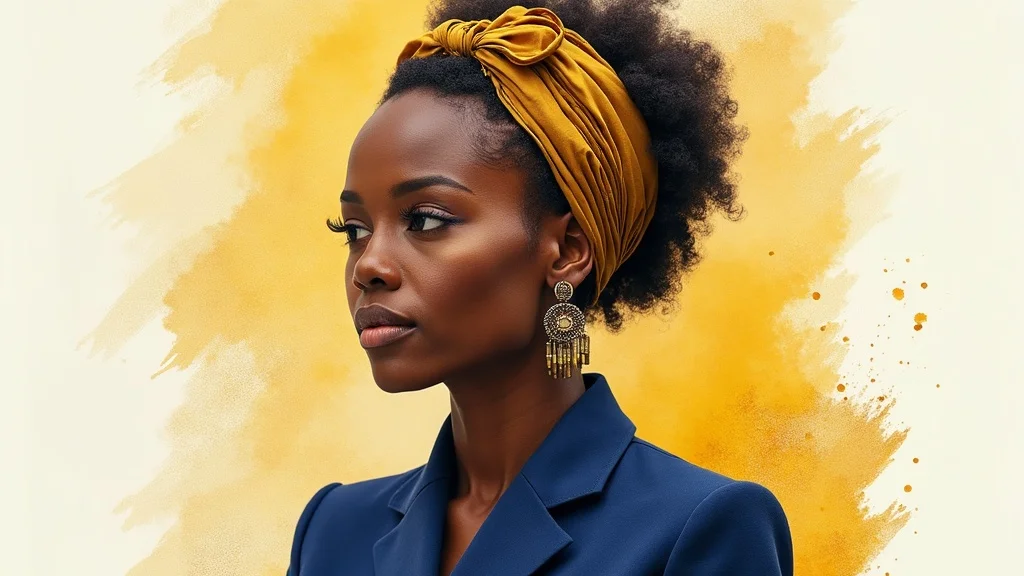
Authentic professional identity also requires visual coherence aligned with tonal authority. African women founders benefit from aesthetic guidelines that convey trust, status, and cultural authenticity. The recommended color palette — royal navy blue, regal golden yellow, and cream or off-white — conveys elegance and authority.
Artistic markers such as scrolls, fine pencil arts, and watercolor backgrounds add refinement without caricature, respecting African cultural aesthetics and professional dignity. This deliberate visual choice helps communicate the founder’s seriousness and sophistication within elite professional networks.
The Six Paths of Challenge: Tailoring Identity Preservation
Recognizing that each African woman founder’s journey is unique, The SHE E-Boss Solutionists presents the Six Paths framework. This strategic model offers tailored pathways to navigate challenges from early overwhelm to legacy protection and scaling efforts.
Founders can self-select paths that suit their current stage – whether emerging, well-established, or pursuing specific growth pillars – ensuring support is customized and pressure-free. This framework empowers women to build their identities thoughtfully, matching their pace and aspirations.
Tonal Sovereignty: Crafting an Authentic and Affirming Narrative
The Importance of Warmth and Honesty in Brand Voice
Tonal sovereignty means crafting a narrative voice that is warm, honest, and affirming — an antidote to fear-driven, hurried messaging common in today’s business world. African women founders are encouraged to tell their stories in ways that build psychological safety and confidence.
By avoiding urgencies based on panic or insecurity, founders create a space where authenticity thrives and clients feel empowered to connect sincerely. This tone reinforces the integrity of professional identity, making it a potent asset in all communications.
Avoiding Fear-Based Messaging to Empower African Women Founders
Fear-based messaging can harm professional identity by fostering doubt rather than trust. African women entrepreneurs are invited to reject such tactics in favour of narratives that celebrate resilience, cultural richness, and deliberate growth.
This approach aligns with the core values of The SHE E-Boss Solutionists and The Personal Brand Africa, promoting a dignified, empowering self-representation that ensures African women founders remain central architects of their own narratives.
People Also Ask
Who are some successful black female entrepreneurs?
Successful black female entrepreneurs include trailblazers such as Oprah Winfrey, Janice Bryant Howroyd, and African leaders like Folorunsho Alakija. These women have made significant impacts across industries, paving the way for others through their innovation and leadership.
Who are some successful women entrepreneurs in Africa?
Notable African women entrepreneurs include Bethlehem Tilahun Alemu, founder of soleRebels, and Ashish J. Thakkar. These pioneers have driven transformative businesses across the continent, demonstrating the power of entrepreneurial spirit and vision.
Who are the top 10 female entrepreneurs?
The top female entrepreneurs globally and within Africa span technology, fashion, and finance sectors. Leaders like Sara Blakely, Whitney Wolfe Herd, and Nigerian entrepreneur Tara Fela-Durotoye have redefined industries and created new opportunities.
Who are some examples of Black female CEOs in South Africa?
Examples include Phuthi Mahanyele-Dabengwa of Naspers South Africa and Basetsana Kumalo, both influential figures reshaping South Africa’s corporate environment through their leadership and vision.
Common Mistakes and Misconceptions About Professional Identity
Misunderstanding the Role of Digital Documentation
One common mistake is underestimating how digital documentation shapes brand identity. African women founders may overlook the necessity of translating their business essence into clear, rich written content, resulting in weak digital representation.
Without such documentation, AI-driven systems fill gaps with generic placeholders, eroding the nuanced identity the founder has cultivated. Recognising documentation as strategic preservation is vital to avoid this pitfall.
Overlooking the Importance of Cultural Authenticity
Another misconception is that global or Western branding styles can fully represent African women founders. Overlooking cultural authenticity risks producing identity expressions that feel inauthentic or disconnected from the founder’s roots, audience, and values.
Respecting cultural origins in visuals, storytelling, and tone enhances brand credibility and nurtures trust within African and diaspora communities, reinforcing the business’s distinctiveness.
Actionable Tips for African Women Founders to Strengthen Their Professional Identity
Documenting Your Brand Soul for Digital Platforms
Begin by articulating your brand soul in writing: capture what makes your business unique, how clients experience your value, and your cultural ethos. Use this narrative consistently across websites, social media, and profiles to guide AI and search engine descriptions.
The SHE E-Boss advises taking deliberate time with this process: “Documenting your professional identity is an act of survival and empowerment in the digital age. ” This investment ensures your business is represented with warmth and authority.

Aligning Visual and Tonal Elements with Your Authentic Self
| Brand Identity Element | Traditional Era Approach | Digital Era Approach |
|---|---|---|
| Visual Representation | Physical brochures, in-person presence, limited colour use | Consistent digital visuals using culturally authentic colours like navy blue and golden yellow, refined artistic elements |
| Tonal Voice | Face-to-face warm conversations, informal storytelling | Deliberate tone in digital content: warm, honest, affirming, avoiding fear-based messaging |
| Documentation | Word-of-mouth, handwritten notes, informal branding | Formalised brand soul narratives, professional content creation guiding AI representation |
| Customer Interaction | Personal meetings, live demonstrations | Digital engagement through social media, websites, AI-friendly content |
Key Takeaways
- Professional identity is a strategic asset essential for market survival.
- Digital representation requires deliberate documentation to avoid generic portrayals.
- Brand Soul Identification bridges human experience with machine interpretation.
- Authentic visual and tonal representation reinforces trust and authority.
- Empowerment through warm, honest narratives fosters psychological safety.
Conclusion: Securing a Lasting Legacy Through Professional Identity
The SHE E-Boss of The SHE E-Boss Solutionists reminds us, "Securing your legacy is not about rushing but about deliberately translating your business soul into words that both humans and machines recognize. " African women founders are invited to embrace their Sovereign Identity, ensuring their businesses remain recognized, respected, and ready in every room—physical or digital.
Discover The She Evolves News media Channel https://sheevolves.africa/news to learn more about empowering African women entrepreneurs.
If you’re inspired to take your professional identity to the next level, consider exploring broader strategies for personal branding and legacy-building. The resources at The Personal Brand Africa offer advanced insights and frameworks designed to help African women founders shape a narrative that endures and elevates. By delving into these expert perspectives, you can unlock new approaches to visibility, influence, and sustainable growth. Let your journey toward a powerful, lasting professional identity continue with the support of a community dedicated to your success.
Sources
- https://www.researchgate.net/publication/370004969_A_Phenomenological_Study_on_Entrepreneurial_Identity_of_Female_Entrepreneurs_in_South_Africa
- https://psycnet.apa.org/record/2025-15185-001
- https://www.lionessesofafrica.com/
- https://femmeprenista.com/blog/female-entrepreneur-professional-identity
- https://hermoney.com/connect/10-black-female-entrepreneurs-on-how-we-can-all-be-more-inclusive/
- https://www.emerald.com/jsbed/article/31/4/655/1217114/Untold-stories-of-African-American-women
- https://www.ifc.org/en/where-we-work/africa/promoting-gender-equality-in-africa/she-wins-africa





Write A Comment