
Add Row
Add Element
cropper
update
SHE E-BOSS MEDIA NEWS CHANNELS
update
Add Element
  • Home
  • Categories
    • Jovial January
    • Fabulous February
    • Marvelous March
    • Amazing April
    • Momentous May
    • Jubilant June
    • Juxtaposition July
    • Adventurous August
    • Spectacular September
    • Outstanding October
    • Notable November
    • Dazzling December
    • Inspiring Initiatives
    • Cultural Cuisine
    • Travel Diaries
    • Womanity Warriors
    • SHE-EO Excellence
    • Literary Luminaries
    • Trailblazing Titans
    • Wisdom Of Words
    • SHE Strategies
    • Tech Trends
    • Hemispheres Pulse
    • Money Mindset
    • Fintech Frontier
    • Motherland Moments
    • She Evolves
    • Quoted
    • Sky To Safari
    • Career Nuggets
    • SHE SPEAKS VOLUMES
June 16.2025
1 Minute Read

Value Addition in African Agriculture: Unlocking Profitability and Sustainability

Did you know a litre of lemongrass essential oil can earn thousands of times more than a kilogram of raw grass? This staggering fact signals an untapped goldmine within value addition in African agriculture . Beyond traditional farming lies a transformative journey—turning raw crops into profitable, sustainable products that empower farmers and communities alike. Join us as we explore how this vital process elevates African agriculture, spotlight real-world success from Utulivu Naturals Uganda, and share actionable guidance to catalyze growth across the continent.

What You'll Learn

  • Key insights about the economic value of agricultural value chains in Africa.
  • A clear understanding of what value addition in African agriculture entails and how it transforms raw products.
  • How lemongrass essential oil exemplifies lucrative value addition opportunities.
  • The role of private sector and sustainable practices in fostering climate resilience and food security.
  • Common misconceptions and major opportunities in agricultural value chains.
  • Practical steps and strategies for farmers to implement value addition successfully.

Startling Facts About Value Addition in African Agriculture

The Economic Impact of Agricultural Value Chains in Africa

Agriculture remains the backbone of many African economies, but much of the continent’s potential is throttled by reliance on selling raw produce. Value addition in African agriculture changes this dynamic dramatically. By processing crops into higher-value goods, farmers and entrepreneurs unlock substantially higher profits and create lasting economic impact.

Brenda Migwalla, of Utulivu Naturals Uganda, explains, "A litre of lemongrass essential oil earns thousands of times more than a kilogram of raw grass, demonstrating the immense potential of value addition in African agriculture." This comparison illustrates why shifting focus to value-added products could transform livelihoods and economies across Africa.
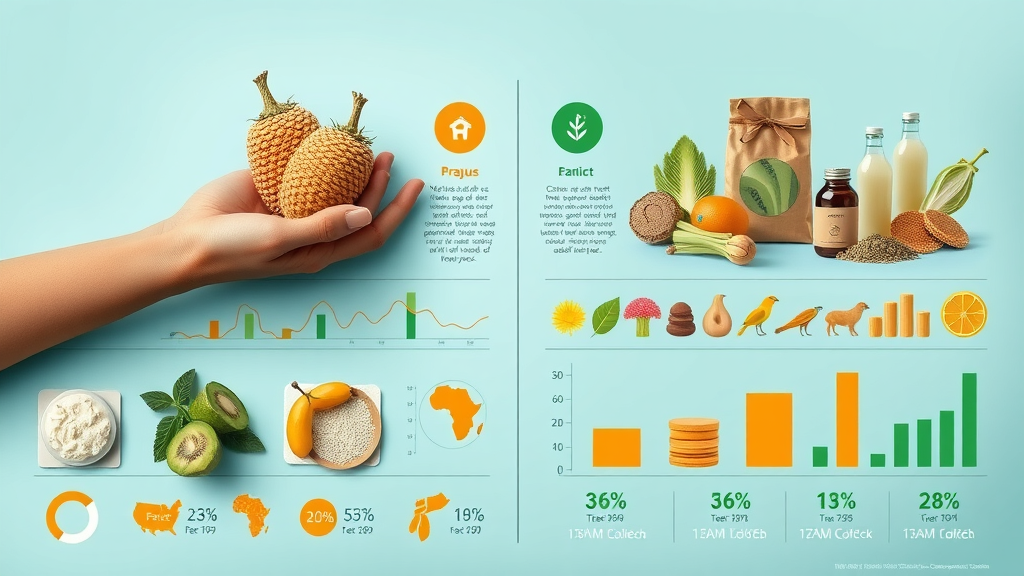
Economic comparison between raw agricultural produce and value-added products showcasing value addition in African agriculture

Understanding Value Addition in African Agriculture

Defining Agricultural Value Chain and Chain Development

The agricultural value chain encompasses all activities from crop cultivation through harvesting, processing, packaging, and marketing. Value addition in African agriculture specifically refers to the processes that increase a product's market value by enhancing its quality, utility, or appeal. Chain development means improving each link—strengthening farmer capabilities, processing techniques, and distribution networks—to maximize benefits across stakeholders.

When done effectively, these value chains reduce losses, improve incomes, and foster sustainable rural development. They stimulate job creation and promote diversification, making agriculture more resilient to market fluctuations and climate pressures.

How Value Addition Transforms Raw Produce into Profitable Products

Raw agricultural produce has limited shelf life and low market prices. However, through processes such as drying, milling, extraction, or packaging, farmers convert these into value-added products commanding premium prices. For example, turning lemongrass into essential oil through steam distillation magnifies its profitability manifold, creating versatile products for cosmetics, wellness, and industrial sectors.

This transformation not only benefits producers with higher margins but also supplies consumers with improved, sustainable goods. Ultimately, value addition in African agriculture paves the way for more competitive, innovative agribusinesses across the continent.

The Role of Value Addition in Enhancing Agriculture in Africa

From Raw Crops to Essential Oils: A Case Study of Lemongrass

Utulivu Naturals Uganda’s journey with lemongrass exemplifies how targeted value addition can unlock immense value. Starting with an undervalued raw crop often overlooked as simple tea herb, Utulivu used steam distillation to extract essential oils. These oils have widespread applications in healing, skincare, and household wellness products.

As Brenda Migwalla reflects, "We’ve replaced chemicals in households, made wellness more affordable, and most importantly—we’ve created real revenue." This success story symbolizes the broader opportunity that value addition in African agriculture presents to farmers willing to innovate and invest in processing and branding.

Vibrant lemongrass fields in Africa showing value addition in African agriculture

Private Sector Involvement in Agricultural Value Chains

The involvement of private enterprises plays a pivotal role in unlocking value addition opportunities. Investment in processing infrastructure, product development expertise, and market access accelerates growth and sustainability. Collaboration between entrepreneurs, farmers, and agricultural experts creates vibrant value chains offering better returns and fostering innovation.

At Utulivu Naturals, diverse African business leaders work closely with farmers to develop natural products that meet international standards. These partnerships ensure that value addition is not just an isolated activity, but a comprehensive ecosystem that sustains communities and economies.

African entrepreneurs collaborating on value addition in African agriculture products

Sustainable Development and Climate Change: Value Addition as a Solution

How Sustainable Practices in Value Addition Support Climate Resilience

Sustainability is integral to value addition in African agriculture . By adopting eco-friendly farming and processing methods—such as organic cultivation, renewable energy use, and efficient resource management—value chains contribute to climate resilience. These practices reduce environmental impact, conserve biodiversity, and promote long-term productivity.

Utulivu Naturals champions these ideals by sourcing ingredients responsibly and integrating solar-powered production methods. This approach not only protects ecosystems but also enhances product value by meeting growing global demand for sustainable goods.

The Impact of Value Addition on Food Security in Africa

Value addition also strengthens food security by reducing post-harvest losses and improving product availability. Processed foods can be stored longer, transported safely, and marketed widely, ensuring that communities have access to nutritious products year-round.

Moreover, the income generated from value-added products empowers farmers to invest in better inputs and technologies, further boosting agricultural productivity and resilience. Thus, value addition in African agriculture directly supports Africa’s fight against hunger and malnutrition.

Farmers practicing sustainable value addition in African agriculture

Challenges and Opportunities in Agricultural Value Chains

Common Misconceptions About Value Addition in African Agriculture

Despite its promise, value addition in African agriculture faces misconceptions that hinder adoption. Many farmers view it as capital-intensive, complex, or risky, while others underestimate the market demand for processed products. These myths discourage investment in processing and limit growth.

However, as Brenda Migwalla emphasizes, "If you only plan to sell raw produce, be ready for small margins, slow returns, and heartbreak. Value addition is Africa’s biggest opportunity in agriculture." Education and success stories can shift mindsets, demonstrating that value addition is achievable and highly rewarding.

Aspiring African farmer with value added agricultural products

Opportunities for Farmers: Beyond Selling Raw Produce

Value addition opens many doors for African farmers beyond traditional crop sales. It allows them to diversify income streams by producing oils, extracts, packaged foods, and wellness products. This diversification mitigates risks associated with market fluctuations and climate shocks.

Additionally, value addition encourages skills development in processing, quality control, marketing, and entrepreneurship. Such capabilities empower farmers to compete globally and capture greater shares of agricultural value generated in Africa.

Actionable Tips for Implementing Value Addition in African Agriculture

Steps to Start Value Addition on Your Farm

  • Assess Market Demand: Identify high-value products with strong local or export demand.
  • Choose Suitable Crops: Select crops like lemongrass with proven value addition potential.
  • Invest in Processing Skills: Learn techniques such as distillation, drying, or packaging.
  • Develop Quality Standards: Maintain consistent, attractive product quality to build trust and brand.
  • Collaborate and Network: Engage with agribusiness experts, local cooperatives, and markets.

Training and Community Engagement for Sustainable Growth

Scaling value addition requires ongoing training and community involvement. Sharing knowledge about processing methods, sustainable farming, and business management builds capacity across farming networks. Utulivu Naturals hosts educational workshops that empower farmers with tools and information to succeed.

Community engagement also fosters collaborative problem-solving and resource sharing, key ingredients for sustainable growth. Together, farmers become innovators, advocates, and entrepreneurs driving Africa’s agricultural transformation.

Comparison of Raw Produce vs. Value-Added Products: Profit Margins, Market Demand, and Sustainability
Aspect Raw Produce Value-Added Products
Profit Margins Low margins due to commodity pricing and perishability. High margins driven by product differentiation and branding.
Market Demand Limited to local or bulk buyers; price sensitive. Diverse markets include retail, cosmetics, wellness, and exports.
Sustainability Higher post-harvest losses; limited environmental control. Improved resource efficiency; supports eco-friendly practices.
Income Stability Variable, affected by price fluctuations and climate risks. More consistent and diversified revenue streams.
Employment Opportunities Mostly farm labor focused. Creates jobs in processing, packaging, marketing, and logistics.

Educational workshop illustrating value addition in African agriculture

People Also Ask: Common Questions on Value Addition in African Agriculture

What is an example of value addition in agriculture?

A classic example is the processing of lemongrass into essential oil. While raw lemongrass has limited value, its distilled essential oil is highly sought after in cosmetics and wellness industries, vastly increasing its profitability.

What is the future of agriculture in Africa?

The future hinges on innovation like value addition in African agriculture , embracing sustainability, technology, and private sector partnerships to boost productivity, profitability, and resilience against climate challenges.

What are the value addition opportunities in agriculture in Uganda?

Uganda’s rich crop diversity allows value addition into oils, dried foods, packaged herbs, and processed staples. Utulivu Naturals has showcased how lemongrass essential oil production can revolutionize local agribusinesses.

Why is value adding important in agriculture?

Value addition increases income for farmers, creates jobs, reduces wastage, enhances food security, and fosters sustainable rural development, key to Africa’s agricultural growth.

Key Takeaways: Unlocking the Potential of Value Addition in African Agriculture

  • Value addition turns low-value raw crops into lucrative products, drastically raising farmer incomes.
  • It supports sustainable farming practices that promote climate resilience and food security.
  • Private sector engagement and community training are critical to scaling value chains.
  • Common misconceptions deter many, but education and success stories reveal the vast opportunities.
  • Farmers and entrepreneurs can implement value addition with strategic planning, skill development, and collaboration.

Conclusion: Transforming African Agriculture One Product at a Time

Brenda Migwalla, of Utulivu Naturals Uganda, concludes with a vision: "Let’s transform agriculture. One farm. One plant. One product at a time." This mindset encourages African farmers and agripreneurs to embrace value addition as the cornerstone for profitability, sustainability, and empowerment.

Ultimately, unlocking value addition in African agriculture offers a pathway not just to economic success, but to a greener, healthier, and more resilient continent.

Discover Utulivu Naturals Located In Uganda

  • Explore our range of natural, sustainable products made from lemongrass essential oil.
  • Learn how value addition can revolutionize your farming business.
  • Join our community to empower sustainable agriculture in Africa.

Learn More at Utulivu Naturals

  • Visit https://www.unaturals.shop/ for detailed product information and community initiatives.

Value addition in African agriculture is a transformative strategy that enhances the economic value of raw agricultural products through processing, packaging, and marketing. This approach not only increases farmers’ incomes but also stimulates job creation and promotes sustainable development across the continent.

A notable example is the Cassava Adding Value for Africa (C:AVA) project, which has significantly improved the livelihoods of smallholder farmers in Ghana, Malawi, Nigeria, Tanzania, and Uganda. By introducing higher-yielding, disease-tolerant cassava varieties and promoting processing into products like high-quality cassava flour and grits, the project has led to yield increases ranging from 16% in Ghana to over 100% in Uganda. This initiative has generated over USD 57 million in income for rural communities, demonstrating the substantial benefits of value addition. ( ajol.info )

In Kenya, a value-addition project focusing on traditional food crops has developed innovative products such as sorghum popcorn, finger millet cakes, and pigeon pea samosas. These nutritious, gluten-free foods cater to evolving consumer needs and have created economic opportunities for youth in rural areas. By enhancing the marketability of drought-tolerant crops, the project contributes to food security and economic empowerment. ( allafrica.com )

Furthermore, the African Development Bank is mobilizing $2.2 billion to establish agricultural processing zones in 28 Nigerian states. These zones aim to bring processing facilities closer to farmers, reducing post-harvest losses and strengthening agricultural value chains. This initiative is expected to enhance food security and generate employment, illustrating the critical role of value addition in transforming Africa’s agricultural sector. ( reuters.com )

By embracing value addition, African farmers and entrepreneurs can unlock new markets, increase profitability, and drive sustainable economic growth. If you’re serious about enhancing agricultural productivity and sustainability, these resources provide valuable insights and strategies to guide your efforts.


She Evolves

0 Comments

Write A Comment

*
*
Please complete the captcha to submit your comment.
Related Posts All Posts
10.05.2025

Overcoming Leadership Overwhelm: Essential Strategies for Women Entrepreneurs

Discover essential strategies for women in business leadership to overcome overwhelm and foster team resilience.

10.01.2025

Discover How the Best Managers Shape Careers: A Guide for Women Entrepreneurs

Explore insights on how effective managers shape employees' careers, focusing on women in business and leadership strategies for success.

08.18.2025

The Sovereign's Inner Circle: How to Build a Personal Board of Directors for Your Career

Did you know women still comprise less than a third of board of directors’ seats worldwide, despite accounting for half of the global workforce? In an age when connections and strategic support can make or break a career journey, especially for women leaders, the concept of building a personal board of directors has never been more vital or more transformational. Imagine leveraging your own “inner circle” of advocates, challengers, and mentors, purpose-built to sharpen your strengths and champion your rise. This guide demystifies the process, details the exact qualities and steps needed, and reveals the best way to maximize value from your personal board for unstoppable progress. Ready to chart a bolder course for your career? Dive in and discover the power within your grasp. Why Every Woman Needs a Personal Board of Directors for Women The personal board of directors for women is more than a trend—it's a necessity in the face of a persistent gender gap at senior levels. As the statistics show, progress is slow: "Women hold only 29% of board of directors’ seats worldwide, despite women making up half the global workforce." This stark figure underscores the complex challenges women leaders face as they navigate their ascent in both corporate environments and entrepreneurial ventures. While traditional corporate boards have gatekeepers and strict selection processes that often limit representation, a personal board flips this on its head by handing you the power to choose your own inner circle dedicated to your success. Women leaders often encounter nuanced obstacles as they pursue board positions, executive roles, or new ventures—sometimes facing isolation at the top. Your personal board serves as your sounding board, blending mentorship, honesty, and advocacy. By curating a diverse group of committed supporters tailored to your goals, you access ongoing guidance that helps you break barriers, sidestep common pitfalls, and take calculated risks. For ambitious women seeking to transform their career trajectory, building a personal board of directors for women is an essential step for sustained growth and influence. Uncovering the Gender Gap: Board of Directors and Women Leaders "Women hold only 29% of board of directors’ seats worldwide, despite women making up half the global workforce." Despite decades of advocacy, the journey for women leaders toward equal representation in corporate boards and other spheres remains incomplete. Cultural, institutional, and systemic barriers continue to hinder equal opportunity. The lack of role models, networking opportunities, and formal advocacy makes the ascent even more challenging. As a result, many talented women remain underrepresented in critical decision-making positions. The contrast between women’s educational achievement and their slow progress up the board director ladder highlights the importance of proactive strategies, such as forming a personal board of directors . Not only can this model close the gender divide in corporate boards, but it can also accelerate personal career goals and broader gender parity within the business world. The next step for many aspiring and established women leaders is to seize agency by crafting their own support system. Defining a Personal Board of Directors for Women’s Success At its core, a personal board of directors for women is a purpose-built advisory group that supports your career and leadership journey, distinct from the structure or aims of traditional boards of directors. Rather than governing a company, these board members provide individualized mentorship, diverse perspectives, honest feedback, and introductions to new opportunities—all designed to help you reach and exceed your career goals. This concept is rooted in the realization that every women leader needs a confidential, personalized “cabinet” that brings clarity and accountability, helping to navigate professional crossroads. The power lies in intentional selection: you determine who sits at your table, what expertise is needed, and which voices will best support your evolution as a leader. The outcome? Continuous, tailored insight and strategic nudging as you build a legacy of impact. How a Personal Board Differs from a Corporate Board Unlike a corporate board , which is legally responsible for a company's governance and performance, a personal board of directors operates informally and solely to advance your professional journey. There are no legal obligations, fiduciary duties, or corporate charters at play. Instead, members serve as trusted confidants—sometimes drawn from multiple sectors or industries—who care deeply about your growth. They challenge assumptions, celebrate wins, and provide honest feedback without an organizational agenda. Whereas a governance board may be limited by bureaucracy or groupthink, your personal board is fluid and dynamic. You can adjust the mix of board directors to reflect evolving career goals, seek specific expertise, or even fold in new voices as your ambitions change. The flexibility of this model is one of its greatest strengths for women leaders looking for agile support networks in rapidly changing business environments. The Key Functions of a Personal Board of Directors What does a personal board of directors for women actually do? Key functions include offering strategic advice, providing candid feedback, amplifying your professional network, and sharing critical resources. Your board members become both champions and challengers, helping you avoid blind spots and seize emerging opportunities. They foster accountability as you pursue major projects, apply for board positions, or transition between roles. Unlike a general group of mentors, a well-selected personal board will balance encouragement with tough love—holding you to your standards and pushing you further. By incorporating perspectives from multiple fields, these board members help you anticipate industry shifts, capitalize on best practices, and remain resilient in the face of setbacks. In short, your personal board will pay it forward—supporting you in ways you are empowered to support others as your journey continues. Key Qualities to Look for in Board Members for Your Personal Board of Directors for Women Not everyone qualifies as the right board member for your personal board of directors for women . Selection is intentional, requiring a balance between expertise, commitment, and chemistry. Look for individuals who not only understand your career goal but also inspire you to stretch beyond your comfort zone. The most effective personal boards connect you with mentors who reflect both diversity of thought and alignment with your values. The best way to build your personal board is to focus on the following essential qualities: Experience in Your Industry Commitment to Your Growth Diversity of Perspective Alignment with Your Values Willingness to Challenge and Support By prioritizing these traits, you ensure each board position is filled by someone capable of offering the right insight at critical moments. A strong board of directors isn’t just a collection of impressive CVs; it’s a multidimensional team vested in your unique journey. Steps to Building a Personal Board of Directors for Women Building an effective personal board of directors for women is a deliberate process that begins with identifying your goals, evaluating your current network, and reaching out to potential board members . Think strategically about which skills, perspectives, and experiences will best support your growth—not just today, but as your aspirations shift. Each step is crucial: from outreach, to setting expectations, to structuring your meetings and keeping your board engaged. Communication is the secret weapon. Regular, structured sessions with clear agendas allow your board to provide relevant, actionable advice. Ensure you articulate your goals and invite candid feedback. The right approach will foster trust and maximize accountability, while also giving board directors a sense of meaningful participation. Identifying Ideal Board Member Candidates for Women Leaders Begin by mapping the expertise you need for your career goals . Consider colleagues, senior professionals, and outside influencers who possess deep knowledge, expansive networks, or a reputation for honest feedback. Sometimes the best board member is someone outside your immediate field—a contrarian thinker who challenges your assumptions, making sure you don’t become insulated by familiarity. Approach potential board members respectfully and transparently. Clearly outline why you appreciate their insight, what you aim to achieve with your personal board of directors , and what kind of commitment you’re seeking. This pre-vetting phase is essential for building a group dedicated to your growth, rather than assembling a roster of “yes-people” or simply acquaintances. Initiating and Structuring Your First Board of Directors Meeting After selecting your initial board member candidates, the next step is hosting your first session. Set the tone with a well-crafted agenda: introduce each member, outline your career goals , and ask for input on the group’s expectations and structure. Keep meetings focused, goal-oriented, and supportive, allowing time for brainstorming, tough feedback, and new introductions. Remember—value is maximized when meetings are regular and purposeful, with every member engaged in your journey. Below is a sample structure for your first board of directors meeting, including potential roles: Board Member Role Ideal Candidate Example Core Responsibility Mentor Senior Executive Woman Strategic Guidance Connector Industry Peer Network Expansion Challenger Contrarian Thinker Honest Feedback Examples of Highly Effective Personal Boards of Directors for Women To illustrate the impact of having a personal board of directors for women , consider these real-world scenarios: Case Study: A Women Leader’s Career Transformation – A rising executive created her personal board including a senior mentor, industry peer, and external contrarian thinker. Over two years, her board guided her through a high-profile promotion, provided critical connections, and helped her negotiate her board position for a Fortune 500 company. Lessons Learned from Corporate Boards to Personal Board Structures – Many women leaders successfully adapt best practices from corporate boards —including structured agendas and performance reviews—to get more value out of personal advisory boards. The Role of Advisory Boards in Accelerating Female Success – Leveraging an advisory board of both male and female mentors gives women access to unique insights, cross-industry intelligence, and new opportunities for board director appointments. These examples demonstrate that success isn’t accidental—it’s fostered by intentional connection, strategy, and support from your inner circle. Each member brings a unique advantage to your ambition. Common Mistakes to Avoid When Building a Personal Board of Directors for Women Even with the best intentions, it’s easy to stumble as you construct your board. These common pitfalls can undermine value before momentum is gained: Choosing Only Friends or Family Overlooking Board Diversity Lack of Clear Expectations for Board Members Neglecting Regular Communication Selection bias—leaning on comfort rather than expertise—limits the breadth of advice you’ll receive. Similarly, failing to articulate the specific purpose of your board (or neglecting to schedule regular check-ins) erodes trust and accountability. The best way to build a lasting personal board is to balance familiarity with new perspectives and make sure each board member understands their role. Real Insights: Expert Advice on Building Your Personal Board "A great personal board of directors will both support you and hold you accountable as you navigate your path to leadership." Experienced women leaders repeatedly point to the dual role of support and challenge as the distinguishing hallmark of effective personal boards. Rather than passively cheering your progress, a well-composed personal board of directors for women will hold a mirror to your ambition—helping you confront blind spots while providing the cheerleading necessary for bold steps. The consensus is clear: one of the best ways to maximize your board’s value is to be direct about your aspirations, flexible about feedback, and consistent in your follow-up. Open communication, gratitude for feedback, and willingness to pay it forward will ensure your personal board becomes an enduring force behind your career advancement. Frequently Asked Questions on Personal Board of Directors for Women Who should be on your personal board of directors? Your personal board of directors should include trusted individuals with diverse backgrounds, deep industry experience, and a demonstrated commitment to your growth. Look for mentors, peers, and even contrarians who can offer both honest feedback and active sponsorship. The best way to ensure effectiveness is to balance cheerleaders with challengers—people who celebrate your wins but aren’t afraid to hold you to account. What percentage of board of directors are women? Today, women hold about 29% of board of directors seats around the globe. Despite steady improvements, the data shows women leaders remain underrepresented at the highest levels of corporate governance. Closing this gap will require concerted effort, including proactive steps such as forming personal and advisory boards to develop more opportunities for women. How to create a personal board of directors? Start by defining your career goals and identifying skill sets or perspectives missing from your support network. Reach out to potential board members —including mentors, peers, and outside advisors—who offer varied expertise and are invested in your growth. Clearly set expectations, establish a regular meeting structure, and invite candid dialogues to ensure long-lasting benefits. Can you have a one-person board of directors? While it’s possible to select one influential mentor or advisor, the greatest value usually comes from assembling a diverse group that includes multiple perspectives. A one person board may provide focused guidance, but a larger personal board of directors for women enables broader support and accountability, sharpening decision-making and fueling growth. Leveraging Corporate Board Strategies to Strengthen Your Personal Board of Directors for Women The best personal boards incorporate proven methods from the world of corporate boards and advisory boards . Establish clear protocols for meetings, performance reviews, and feedback loops—just as effective companies do. By adopting structured processes, women leaders ensure their personal board of directors delivers ongoing, measurable value. Successful board members draw on tested frameworks from corporate boards to keep group energy high, decisions well-documented, and outcomes focused on tangible development. Applying these governance practices nurtures a culture of accountability and empowers you to take bold action with every new opportunity. Best Practices from Corporate Boards and Advisory Boards Borrow from the best of both realms: rotate meeting chairs to give each board member a chance to lead, undertake regular performance reviews to gauge the board’s effectiveness, and create subcommittees dedicated to key initiatives or goals. Encourage participation from every member and ensure that insights are captured and acted upon in your next step planning. These strategies not only drive progress but also cultivate a dynamic board environment—mirroring the agility and innovation found in elite corporate boards and advisory boards . The end result is a personal board that is constantly evolving in response to your changing needs and ambitions. Translating Board of Directors Governance to Personal Growth Governance principles don’t just serve corporations—they provide a blueprint for personal transformation, too. By instilling routines such as agenda-setting, commitment tracking, and annual reviews, you make sure your personal board of directors for women stays invested and effective. The discipline of applying governance measures at a personal level means that every meeting yields actionable advice, every board member remains engaged, and your professional growth stays on track. Making this part of your regular process ensures that as you grow, so too does the impact of your inner circle. Strategies for Women Leaders: Maximizing Value from Your Personal Board of Directors To unleash the full power of your personal board of directors for women , set specific targets for each board cycle and maintain transparency about your career goals . Invite feedback on progress, celebrate milestones, and regularly assess whether your board’s composition still fits your evolving aspirations. Don’t hesitate to rotate members if new expertise is needed. Cultivate a two-way street of engagement. Not only should you seek guidance and honest critique, but you should also express gratitude for your board’s support and consider ways to help others in your network—paying it forward. Setting Clear Goals and Personal Accountability Begin every board cycle by articulating the career goals or projects you aim to achieve. Transparency is key—as is regular follow-up. Ask each board member to keep you accountable, whether by tracking goal progress, championing your initiatives, or helping you re-calibrate when necessary. This approach instils discipline while keeping your ambitions at the forefront. Accountability isn’t just about box-ticking. It fosters a culture of high performance and resilience among women leaders . When your board expects periodic updates and honest self-assessments, complacency fades and growth accelerates. Using Feedback from Board Members to Accelerate Growth Feedback is the lifeblood of personal advancement. Prepare to receive and embrace constructive criticism from your board members , using it to identify blind spots, uncover new opportunities, and refine your approach to challenges. Proactively act on suggestions, and share the results with your board. This responsiveness builds trust, enhances your leadership brand, and encourages ongoing investment from your advisors. The greatest leaps often come from moments of discomfort—so welcome incisive feedback, and make course corrections as needed. In doing so, you build both confidence and capability, putting your personal board of directors for women at the heart of your professional evolution. Get started immediately: Practical Steps to Start Your Personal Board of Directors for Women Today Summary and Next Steps for Building Your Personal Board of Directors for Women The evidence is clear: every aspiring woman leader deserves a personal board of directors to accelerate her career growth. By choosing wisely, structuring intentionally, and leaning into feedback and accountability, you set new benchmarks for what’s possible. The next step is simple but powerful—commit to building your board and watch your professional trajectory transform. Take Action: Harness the Power of Your Personal Board of Directors for Women Don’t wait for opportunity—create it. Discover The She E-Boss Solutionist News Channels https://sheebosssolutionist.com/news for tools, insights, and community dedicated to elevating women leaders. Sources https://catalyst.org/research/women-in-management/ https://hbr.org/2021/10/how-women-leadership-moves-everyone-forward https://forbes.com/sites/forbescoachescouncil/2022/08/18/how-to-build-your-own-personal-board-of-directors/ https://mckinsey.com/corporate-governance/the-case-for-board-diversity https://linkedin.com/pulse/building-personal-board-directors-eniko-horvath Building a personal board of directors is a strategic move that can significantly enhance your career trajectory. To delve deeper into this concept, consider exploring the article “ Building Your Personal Board of Directors: A Strategic Guide for Women in Corporate ,” which offers practical steps for assembling and leveraging a personal board tailored to women’s unique challenges in the corporate world. Additionally, the “ Personal Board of Directors ” initiative by Lean In provides a platform for women to form supportive circles, facilitating regular, meaningful feedback and mentorship. Engaging with these resources can empower you to create a robust support system, propelling your professional growth and success.

Terms of Service

Privacy Policy

Core Modal Title

Sorry, no results found

You Might Find These Articles Interesting

T
Please Check Your Email
We Will Be Following Up Shortly
*
*
*