
Add Row
Add Element
cropper
update
SHE E-BOSS MEDIA NEWS CHANNELS
update
Add Element
  • Home
  • Categories
    • Jovial January
    • Fabulous February
    • Marvelous March
    • Amazing April
    • Momentous May
    • Jubilant June
    • Juxtaposition July
    • Adventurous August
    • Spectacular September
    • Outstanding October
    • Notable November
    • Dazzling December
    • Inspiring Initiatives
    • Cultural Cuisine
    • Travel Diaries
    • Womanity Warriors
    • SHE-EO Excellence
    • Literary Luminaries
    • Trailblazing Titans
    • Wisdom Of Words
    • SHE Strategies
    • Tech Trends
    • Hemispheres Pulse
    • Money Mindset
    • Fintech Frontier
    • Motherland Moments
    • She Evolves
    • Quoted
    • Sky To Safari
    • Career Nuggets
    • SHE SPEAKS VOLUMES
June 20.2025
1 Minute Read

Value Addition in Farming: Your Top Questions Answered

Did you know that a litre of lemongrass essential oil earns thousands of times more than the equivalent raw grass weight? This startling fact encapsulates the transformative power of value addition farming —a critical approach for farmers who want to maximize profits and drive sustainable agriculture. In this comprehensive article, we'll dive deep into the most frequently asked questions about value addition, offering practical insights and expert advice to help farmers, entrepreneurs, and agricultural enthusiasts thrive in this innovative field.

Startling Facts About Value Addition in Farming

Value addition in agriculture is more than just a buzzword. It’s a game-changer that can radically improve farmers’ income streams while fostering sustainable practices. By processing raw farm produce into higher-value products, farmers unlock latent economic potential embedded in their crops. For example, raw lemongrass might net very little, but once processed into essential oils, the economic returns multiply exponentially. This shift—from commodity selling to value creation—is essential for addressing the low margins and slow returns typical of raw produce trading.
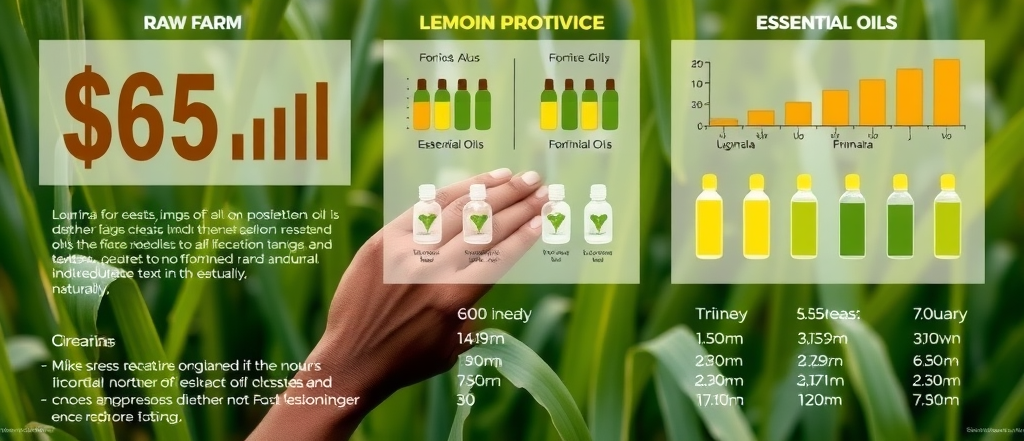
Value addition farming earnings comparison of raw lemongrass versus essential oils

What You'll Learn: Key Concepts in Value Addition Farming FAQs

  • Understanding value addition and its importance in agriculture

  • Examples of value-added products and techniques

  • Challenges and benefits of value addition for farmers

  • How to develop a business plan for value-added farm products

  • Food safety and economic research insights related to value addition

Overview of Value Addition in Farm Products

Value addition farming involves transforming agricultural raw materials into processed, packaged, or branded products that command higher market prices. This goes beyond merely selling fresh produce; it includes drying herbs, extracting essential oils, packaging, branding, and even developing entirely new product lines that cater to niche markets. Across rural Uganda and beyond, vibrant village markets display a growing array of such products—ranging from fragrant essential oils to attractively packaged dried herbs, signaling a grassroots revolution in agricultural entrepreneurship.

This approach not only diversifies income but also adds resilience to farmers' livelihoods by opening new sales channels and reducing waste through preservation technologies.

Ugandan village market with value-added farm products like essential oils and packaged herbs

“When we started UTULIVU NATURALS, it wasn’t just to build a business. We wanted to show that farming in Uganda—and Africa at large—can be profitable when we go beyond selling raw produce.” — Utulivu Naturals

Examples of Added Products and Their Impact

A powerful illustration of value addition lies in lemongrass essential oil. By using steam distillation to extract the oil, farmers create highly sought-after products used in cosmetics, aromatherapy, and household cleansing. Additionally, drying and packaging herbs preserve their aroma and shelf life, expanding market reach to urban and international consumers. Processed food jars from farm produce add further layers of value by meeting growing demand for convenience and quality assurance.

This value creation improves incomes substantially and enables smallholder farmers to participate in lucrative agricultural value chains, breaking the cycle of low-margin raw produce sales.

Close-up of packaged lemongrass essential oil and dried herbs as value-added farming products

Developing a Business Plan for Value Addition Farming

Turning value addition into a sustainable business requires careful planning. A robust business plan should factor in market demand, production capacity, product development, pricing strategies, and distribution channels. Essential to this planning is harnessing economic research data, such as information from the Economic Research Service, to understand consumer trends and pricing dynamics.

Farm entrepreneurs like those at Utulivu Naturals exemplify how integrating data-driven insights with traditional agricultural knowledge leads to scalable and profitable value-added ventures.

Incorporating Economic Research Service Data

Utilizing data from sources like the Economic Research Service helps farmers align their production with market realities. This includes identifying high-value crops, forecasting seasonal demand fluctuations, and pricing products competitively while maintaining healthy margins. These insights support smarter investment decisions in equipment, processing methods, and marketing efforts—pivotal to success in value addition farming.

Farm entrepreneur studying value addition farming market data on a digital tablet

Food Safety and Quality in Value-Added Farm Products

Maintaining food safety is a non-negotiable aspect of value addition farming. Proper hygienic handling, processing under controlled conditions, and regular quality checks are vital to ensure consumer trust and regulatory compliance. Good manufacturing practices protect product integrity and extend shelf life, enabling farmers to access premium markets locally and globally.

Implementing Food Safe Practices

Adopting food-safe practices involves investment in clean facilities, trained personnel, and standardized procedures, such as sterilization and contamination prevention. These measures not only ensure safety but also enhance product quality, reputation, and customer loyalty—key factors in building a successful value-added brand.

Food processing workers implementing food safety in value addition farming

Benefits of Value Addition to the Farmer

Value addition farming offers multiple, tangible benefits to farmers. Among the most significant is the potential for dramatic earnings uplift. As Utulivu Naturals highlights, turning raw lemongrass into essential oil can multiply income by thousands of times. Beyond financial rewards, value addition fosters skills development, entrepreneurial growth, and community empowerment by encouraging collaboration and knowledge sharing.

“A litre of lemongrass essential oil earns thousands of times more than a kilogram of raw grass.” — Utulivu Naturals

Common Challenges in Value-Added Agriculture

Despite its promising benefits, value addition farming presents challenges. These include initial capital investment for processing equipment, access to technical training, maintaining consistent quality standards, and navigating complex market dynamics. Logistic hurdles and regulatory compliance may also pose difficulties for smallholder farmers.

However, with education, community support, and continuous innovation, these challenges can be overcome, paving the way for sustained growth and profitability, as demonstrated by skilled entrepreneurs across Uganda’s agricultural sector.

Farmer troubleshooting value addition processing equipment in rustic workshop

Examples of Value Addition Techniques in Agriculture

Value addition techniques in agriculture are diverse and adaptable to various contexts:

Value Addition Technique

Description

Benefits

Steam Distillation

Extracting essential oils from plants

High-value product, longer shelf life

Drying and Packaging

Preserving produce for sale

Extended marketability, reduced waste

Branding and Marketing

Creating product identity

Increased consumer appeal, premium pricing

How Can You Add Value to Your Farm?

Farmers can start adding value by selecting crops with high processing potential, such as lemongrass, vanilla, or spices. Investing in simple processing equipment like drying racks or oil distillers is a practical next step. Developing packaging that protects and promotes the product while establishing a recognizable brand identity enhances market success. Collaborations with local cooperatives or value chain partners can also amplify reach and resources.

Ultimately, continuous learning, market research, and adopting food safety standards will enable farmers to realize the full benefits of value addition farming.

People Also Ask: Value Addition Farming FAQs

  • What are some challenges in value-added agriculture? Challenges include high startup costs, need for technical skills, quality control, market access, and regulatory compliance.

  • What are the benefits of value addition to the farmer? Benefits include significantly increased income, diversified markets, skills development, and greater sustainability.

  • What are examples of value addition techniques in agriculture? Key techniques are steam distillation, drying and packaging, branding, and product innovation.

  • How can you add value to your farm? By choosing high-value crops, investing in processing, adhering to food safety, branding, and marketing effectively.

Key Takeaways on Value Addition Farming FAQs

  • Value addition significantly boosts farm profitability and sustainability.

  • Developing a comprehensive business plan is crucial for success in value-added agriculture.

  • Food safety and quality control are essential components that safeguard consumers and open premium markets.

  • Overcoming challenges requires education, innovation, and strong community support.

Conclusion: Transforming Agriculture Through Value Addition

Value addition farming represents Africa’s greatest agricultural opportunity, transforming smallholder farmers into competitive entrepreneurs while fostering environmental stewardship. As Hilda Nagujja of Utulivu Naturals Uganda declares, moving beyond raw produce sales unlocks unprecedented economic potential and community empowerment. By embracing value addition farming, you contribute to a more profitable, sustainable, and vibrant agricultural future—one farm, one plant, one product at a time.

Innovative Ugandan farmer showcasing value addition farming lemongrass essential oil product

To further enhance your understanding of value addition in farming, consider exploring the following resources:

  • “Maximizing Profits in Agriculture: The Importance of Value Addition for African Farmers” ( thefarmersjournal.com )

This article delves into how transforming raw agricultural products into processed goods can significantly increase farmers’ incomes, open access to new markets, and extend the farming season.

  • “Value-Added Product Legal Basics” ( farmcommons.org )

This resource provides essential legal insights for farmers venturing into value-added products, covering topics such as zoning regulations, tax implications, and liability considerations.

By exploring these resources, you’ll gain valuable perspectives on the economic benefits and legal considerations of value addition in agriculture, empowering you to make informed decisions for your farming enterprise.


SHE-EO Excellence

0 Comments

Write A Comment

*
*
Please complete the captcha to submit your comment.
Related Posts All Posts
11.10.2025

Celebrating Victoria Nyanzi Empowering African Women to Build Bold Personal Brands And Wealth

Did you know that Africa has the highest rate of women entrepreneurs in the world, but women entrepreneurs across the continent still face the greatest barriers to creating wealth and building influential brands? This striking paradox not only highlights the resilience of African women, but also exposes the urgent need for more innovative efforts to empower them. Victoria Nyanzi stands at the forefront of this movement, championing the transformation seen everywhere, from vibrant tech hubs in Nairobi to bustling fashion studios in Accra, redefining what it means for women to build bold personal brands, open doors, command respect and create real wealth.A New Era: The Power of Empowering African Women to Build Personal BrandsOpening with Impact: Unconventional Facts About Women Entrepreneurs and Wealth Creation"Africa leads the world with the highest rate of women entrepreneurs, yet faces the greatest barriers to creating wealth."Across Africa, African women entrepreneurs are shaking up the labor market, making up over 25% of business owners compared to a global average below 10%. Yet, despite this entrepreneurial boom and the rise of million women initiatives, systemic challenges such as limited access to finance, cultural constraints and the lack of strong personal brands keep many women out of the circle of women creating wealth. This duality, robust participation but modest outcome, places women at the heart of Africa’s economic and social transformation, but also at the center of its greatest unrealized promise. The private sector, government agencies and organizations like the Mastercard Foundation are now focusing on financial inclusion as the key to unlocking this potential, enabling more women entrepreneurs to build sustainable businesses and drive job creation.What You’ll Learn From Victoria Nyanzi’s Approach to Empowering African WomenPractical strategies for empowering African women to build personal brandsHow personal branding opens doors, commands respect, and enables wealth creationInsights from African women entrepreneursOvercoming unique challenges women face in business and financial inclusionVictoria Nyanzi: A Visionary Empowering African Women EntrepreneursVictoria Nyanzi exemplifies what it means to champion African women entrepreneurs in a fast-changing economic landscape. Through hands-on mentorship, expansive networking opportunities, and skillful advocacy, she is helping many women realize the full potential of personal branding. Nyanzi understands that in order to break through traditional ceilings in both the private sector and public arenas, women need more than just capital, they need visibility, confidence, credibility, and practical skills to tell their stories powerfully. Her initiatives, such as the Million Women Movement and the Africa Sisters Network, show how women creating wealth can shift entire communities and inspire generational change.Championing Financial Inclusion and Creating Wealth"Empowering African women to build personal brands is a revolution that is transforming the landscape for women creating wealth." – Victoria NyanziThis revolution is about more than individual success. By supporting african women entrepreneurs at every stage, from ideation to investment, Nyanzi’s focus on financial inclusion addresses core needs: education, access to finance, connection to global markets, and representation in influential circles. Research from the alliance for financial inclusion and the Mastercard Foundation supports this: when african countries commit to national financial inclusion strategies, women’s participation in the economic and social development of their communities grew exponentially. Nyanzi’s approach blends large-scale advocacy with one-on-one coaching, ensuring the movement includes the voices of million women across the continent.How Building Bold Personal Brands Allows African Women to Command Respect and Open DoorsVisibility in male-dominated industriesInspiring a million women and moreNarratives from successful African women entrepreneursBuilding a strong personal brand is not just about online presence or individual achievement; it is a proven way for african women to command attention in the labor market and challenge the barriers that often exclude them from mainstream success. In traditionally male-dominated industries, technology, finance, and manufacturing, women who cultivate bold, authentic brands become role models, decision-makers, and recognized leaders. The ripple effect can launch movements, shift perceptions, and encourage sustainable businesses led by women entrepreneurs who open doors for others.Through Nyanzi’s work, a million women have been inspired to step onto stages, claim boardroom seats, and negotiate with confidence. Real narratives matter here, hearing from successful African women entrepreneurs in fields like digital commerce, fashion design, and renewable energy empowers others to imagine new possibilities. Their stories prove that women creating wealth is not a distant dream but a lived reality, attainable when personal branding is united with skill and support.From Dreams to Wealth: Stories of African Women Creating Wealth Through EntrepreneurshipCase Studies: Million Women Movement and MoreThe Million Women Movement sparked a revolution across african countries by spotlighting stories that often go untold. For instance, in Nigeria, says Oluwaseyi, a former banker turned tech entrepreneur, credits her rise to global recognition to mastering personal branding and accessing the right mentorship networks. In Kenya, the story of a fashion entrepreneur whose label now employs dozens is rooted in her ability to tell her story, use digital platforms, and connect with financial services that enabled growth.These stories underline that with the right tools, education, connection to the alliance for financial inclusion, and public celebration of achievements, African women entrepreneurs can turn ambition into tangible, generational wealth. Specific sectors such as agri-business, tech startups, and creative industries have shown the greatest uptick in women creating wealth, with mentorship and access to finance from local initiatives and global foundations playing a pivotal role. Their successes fuel hope for many women looking to follow in their footsteps and provide momentum that transforms communities.The Role of Financial Inclusion in Empowering African Women to Build Personal BrandsFinancial inclusion is often described as the backbone for the transformation of women’s entrepreneurship in Africa. A lack of access to traditional financial services has long hindered the full potential of african women entrepreneurs, yet recent advances are creating new pathways. Digital banking, mobile money, and microfinance initiatives have become critical lifelines, with research by the alliance for financial inclusion and Mastercard Foundation highlighting a direct correlation between national financial inclusion initiatives and increased job creation by women.However, significant challenges remain: access to finance continues to be a barrier, especially for women in rural or marginalized urban settings. But organizations like the Mastercard Foundation and government agencies embracing implement policies aimed at improving women’s access are reshaping the economic future of Africa. Ultimately, empowering women with both financial literacy and resources provides the foundation for them to not only build brands but also scale up sustainable businesses that leverage talent across the continent.Comparison Table: Countries With The Highest Rates Of Female Entrepreneurship In Africa and Their Common ChallengesCountry% Female EntrepreneursMain ChallengesUganda38%Access to finance, cultural norms, limited networksGhana37%Limited digital infrastructure, regulatory barriersBotswana35%Policy obstacles, gender bias, market accessNigeria34%Access to funding, mentorship gaps, securityZambia32%Lack of training, finance, urban-rural divideKey Challenges Facing African Women Entrepreneurs in Creating WealthAccess to fundingLack of networksCultural barriersLimited digital infrastructurePolicy obstaclesPractical Solutions for Empowering African Women to Build Personal Brands and Create WealthOvercoming these challenges requires more than just awareness, it demands a practical, sustained approach. First, educating women on personal branding strategies should be built into entrepreneurial training at all levels, from academic institutions to community workshops. Next, targeted programs in financial inclusion must be adaptive, addressing gaps not just in credit access but also in digital skills and leadership confidence. Connecting women entrepreneurs to both local and international mentorship networks expands opportunities and demystifies the path to creating wealth.Governments, the private sector, and NGOs must also play their part, especially in implement policies that foster gender-sensitive support structures and reform outdated regulations that hinder african women entrepreneurs. Finally, celebrating and widely publicising the success stories of women creating wealth will help dismantle harmful stereotypes, replacing them with voices of authority and inspiration. Each step forward creates ripple effects for a new generation eager to contribute to Africa’s economic and social fabric.People Also Ask: Influential African Women, Global Successes, and Entrepreneurship StatisticsWho is the most influential woman in Africa?Answer: Pan-African leaders and trailblazers such as Ngozi Okonjo-Iweala have paved the way for empowering African women to build personal brands that open doors, command respect and create wealth.Who is the most successful female entrepreneur in the world?Answer: Sara Blakely, founder of Spanx, is globally recognised for wealth creation, showcasing the power of personal branding, an inspiration for African women entrepreneurs.Which Africa has the highest rate of female entrepreneurship in the world?Answer: Sub-Saharan Africa, especially countries like Uganda and Ghana, leads in the percentage of women entrepreneurs, reinforcing the trend of women creating wealth in Africa.What are the challenges faced by female entrepreneurs in Africa?Answer: Female entrepreneurs face unique hurdles such as limited access to capital, mentorship, and cultural biases, impeding progress for empowering African women to build personal brands.Expert Quotes: How Women Entrepreneurs Are Breaking Barriers"Financial inclusion is the key to unlocking the potential of African women entrepreneurs and creating pathways to wealth." – Industry ExpertLists: Top 5 Steps to Empowering African Women to Build Personal Brands and WealthEducate women on personal branding strategiesPromote financial inclusion and entrepreneurship programsFacilitate access to mentorship and professional networksAdvocate for policy change to support women entrepreneursCelebrate and publicize success stories of women creating wealthVideo highlights showing Victoria Nyanzi conducting a workshop with African women entrepreneurs, featuring short interviews, behind-the-scenes moments, and coverage of authentic, inspiring success stories.FAQ: Building Personal Brands, Wealth, and Empowerment in AfricaWhat is the first step towards empowering African women to build personal brands?The first step is self-discovery, understanding one's skills, values and unique story is essential for any woman hoping to build a brand that stands out. Participating in training sessions and strategic workshops, such as those offered by Victoria Nyanzi, can lay a strong foundation for personal branding success.How does personal branding contribute to creating wealth?Personal branding creates visibility and credibility, making it easier for women to access investment, job opportunities and trusted partnerships. When African women confidently share their achievements, they open doors to financial resources and networks that help them build wealth, sustain businesses, and inspire others.Where can women entrepreneurs find support in Africa?Women entrepreneurs can find support through a growing ecosystem of mentorship networks, entrepreneurship hubs, and financial inclusion programs. Organizations like the Africa Sisters Network, Mastercard Foundation, and local women-in-business collectives provide valuable guidance, funding, and community.What role does digital technology play in empowering African women?Digital technology is revolutionizing entrepreneurship by expanding market access, enabling virtual networks, and improving financial literacy. For African women, online branding and digital finance create new opportunities for wealth creation and job growth, reducing many traditional barriers.Key Takeaways: Empowering African Women to Build Personal Brands That Open Doors, Command Respect and Create WealthPersonal branding is transformative for African women entrepreneursFinancial inclusion is critical to wealth creationCommunity, mentorship, and policy support are vital for successWatch real-life stories of African women entrepreneurs sharing how personal brands and financial inclusion have transformed their businesses and communities.Conclusion: The Future of Empowering African Women to Build Personal Brands and Create WealthThe next chapter in Africa’s economic and social growth will be led by empowered women who build bold brands, create new jobs, and redefine wealth for generations.Ready to Join the Movement?Discover Victoria Nyazi, Founder Of The Africa Sisters Network by visiting her business card: https://victorianyanzi.africa/virtual-cardTo further explore the empowerment of African women in building personal brands that open doors, command respect, and create wealth, consider the following resources:“Building Your Personal Brand: A Step-by-Step Guide for African Leaders”: This guide offers actionable steps for African leaders to develop a compelling personal brand, emphasizing the importance of authenticity and strategic networking. (lionessesofafrica.com)“Celebrating the Women Who Create Wealth”: An article highlighting the achievements of women entrepreneurs who have successfully built personal brands and created wealth, providing inspiration and practical insights. (gracamacheltrust.org)These resources provide valuable strategies and real-life examples to guide African women in crafting personal brands that lead to professional success and financial empowerment.

10.05.2025

Why Strategic Hibernation is Key for Women Entrepreneurs Today

Update Understanding Strategic Hibernation In today's business climate, which is often marked by geopolitical turmoil and economic uncertainty, the concept of strategic hibernation is gaining traction, particularly among women entrepreneurs. This approach promotes a proactive pause in business operations, focusing on resilience rather than reactive adaptability. Just as iconic breweries like Anheuser-Busch and Coors weathered the storm of prohibition by reassessing their strategies, women leaders today can find inspiration in past challenges to reevaluate their business models. Building Resilience in Uncertain Times Reflection is a critical step toward fostering resilience. In the aftermath of significant disruptions, many companies are rethinking their operational frameworks, similar to the advice offered in recent articles about ensuring operational resilience amidst geopolitical events. Clear communication with employees, crisis management protocols, and a keen understanding of supply chain vulnerabilities are vital components for organizations aiming to emerge stronger than before. Empowerment Through Leadership Women leaders must embrace the spirit of innovation as they navigate these tumultuous times. Establishing strong connections within their networks and prioritizing mental health and employee support can significantly strengthen their operations. During crises, leaders should promote open communication, addressing the emotional and psychological needs of their teams while maintaining focus on business goals. Actionable Insights for Aspiring Women Entrepreneurs For aspiring women entrepreneurs, taking an active role in their professional communities can be transformative. Engaging in mentorship programs, sharing She Boss stories, and seeking collaborative opportunities can enhance personal growth and resilience. Networking offers a platform for shared experiences, which is crucial in fostering a supportive environment, especially during times of crisis. Tools like discussion guides and templates can aid in creating a framework for political discourse within their businesses, addressing factors affecting employee stress. Looking Ahead: Future Trends The implications of current global uncertainties suggest a shift towards more resilient operational strategies. Businesses that can pivot — much like those during prohibition — are likely to flourish even amidst hardship. Stakeholder engagement will continue to be paramount, and adaptive strategies, including diversification of supply chains and a focus on mental health, will play a crucial role in overall success. Conclusion: The Power of Strategic Rest As women entrepreneurs enter a new phase of business reflection, strategic hibernation isn’t just a pause; it's an opportunity for growth and re-evaluation. Just like iconic brands of the past, today’s leaders can use this time wisely to lay the groundwork for future innovation and strong resilience.

10.04.2025

Transforming Leadership: How Women Entrepreneurs Overcome Overwhelm

Update The Balancing Act of Modern Leadership In today's business landscape, the role of a leader has transformed dramatically. As companies streamline their operations, managers are often called upon to oversee larger teams with fewer resources. This shift puts entrepreneurs, especially women navigating businesses in these turbulent times, in a seemingly impossible balancing act. With responsibilities that multiply yet resources that remain static, many leaders find themselves entangled in a daily grind that leaves little room for strategic foresight. Women Entrepreneurs: Leading with Authenticity For women entrepreneurs, the pressures of leadership are compounded by societal expectations. Traditional stereotypes often paint women as less authoritative, despite ample evidence of their successful leadership styles. The pressure to prove oneself can be overwhelming, leading to feelings of inadequacy and burnout. To thrive, it’s essential for women leaders to cultivate their authentic voice in leadership. This involves prioritizing their core values—a practice that not only fosters personal satisfaction but also builds trust within their teams. Strategies to Combat Overwhelm What can leaders do to navigate through this tide of overwhelm? Leaders must embrace practices that prioritize well-being, such as practical time management strategies and support systems. Setting clear boundaries is important; leaders should practice saying no to initiatives that dilute their focus. Frequent pauses for self-reflection can also help maintain mental clarity and foster a productive work environment. Fostering Relationships Through Empathy A key trend in effective leadership today is the emphasis on empathy and connection. Leaders who take the time to understand their team members’ challenges and aspirations foster a culture of collaboration and trust. This isn’t just a benevolent act; it’s a strategy that contributes to improved performance and staff retention, ensuring a more engaged workforce committed to mutual goals. Future Insights: The Role of Innovation in Leadership As we look ahead, the landscape of leadership will likely continue to evolve. Innovations in digital communication and project management will present opportunities to streamline operations, allowing for more efficient team interactions. Women leaders must leverage these tools, not only to manage their teams effectively but also to inspire innovation and creativity within their organizations. Thus, amid the chaos of managing large teams, women in business can persevere by grounding their leadership approach in authenticity, empathy, and strategic prioritization. Embracing these qualities will not only enhance their own capacity to lead effectively but will also empower those around them to thrive in an increasingly demanding work environment. If you're a woman entrepreneur seeking to innovate and enhance your leadership journey, now is the time to embrace these actionable insights. The future of your leadership success is in your hands—make the commitment to lead differently today.

Terms of Service

Privacy Policy

Core Modal Title

Sorry, no results found

You Might Find These Articles Interesting

T
Please Check Your Email
We Will Be Following Up Shortly
*
*
*