

Taking a business reassessment pause is not about admitting failure or falling behind; it's about making a deliberate, honest decision to confirm what remains true in your business before moving forward. In a fast-changing landscape, African women founders and entrepreneurs in the diaspora often face shifts in customers, offers, and markets. A thoughtful pause allows you to reconnect with your original purpose and align future actions more clearly, avoiding costly missteps—especially when incorporating new tools like AI.
Understanding the Business Reassessment Pause: Why It Matters
Defining the Business Reassessment Pause
A business reassessment pause is a conscious stop in the normal pace of business operations. This pause serves as a moment to revisit your original vision and purpose, evaluate what has changed, and decide how to adapt your strategy accordingly. It is not about going back to an outdated plan but about clarifying what parts of your business story still hold value and which need revision or retirement. As The SHE E-Boss Founder of SHE Evolves Africa explains, “Founder Soul Identity is not an exercise in remembering the past for its own sake; it is a deliberate pause to decide what remains true before people—or AI—carry the business forward. ”
Such a pause can prevent the drift that many businesses experience when original goals no longer fit their current context. Whether the market has shifted, customer expectations evolved, or internal capacities altered, this pause helps founders reorient their efforts towards relevant goals. The process invites reflection and careful decisions rather than rushed pivots or blind continuations.
The Importance of Pausing Before Moving Forward
The quick pace of business can pressure founders to move forward without pausing to reassess. However, rushing often compounds problems by deepening misalignment between strategy and reality. The pause encourages founders to be honest about the current business before committing to new actions or technology. “An honest pause is work. It is better than moving quickly in a direction you no longer believe in,” notes the Founder Educator behind the Founder Soul Identity framework.
By taking this break, founders prevent wasted resources and mismatched messaging, especially when integrating AI or digital tools that can amplify existing strategies. Without clear, current truths to guide these tools, businesses risk building on outdated or false premises. This pause ensures alignment across leadership, teams, and tools, fostering sustainable growth.
Founder Soul Identity is not an exercise in remembering the past for its own sake; it is a deliberate pause to decide what remains true before people—or AI—carry the business forward. — Founder Educator, Founder Soul Identity
Recognising When a Business Reassessment Pause is Needed
Signs Your Business Vision Needs Reassessment
Many founders sense when their business vision might be drifting, even if the reasons aren’t immediately clear. Signs include inconsistent customer feedback, declining engagement or sales, confusion within the team, or difficulty delivering promises. If you find yourself questioning whether the story you started with still fits the current reality, it’s time to pause and reflect.
Consider a founder who began with a clear mission but now serves a different customer base or offers products that no longer excite her. The original story may feel false or irrelevant, leading to discomfort or decisions that don’t align with emerging opportunities. This dissonance signals the need for a business reassessment pause to explore what truly matters today.
For founders navigating these pivotal moments, reflecting on long-term journeys and the evolution of purpose can offer valuable perspective. The story shared in Thirty Years This March illustrates how sustained commitment and periodic reassessment shape a business legacy over decades.
Common Reasons for Business Drift and Change
Business drift can happen for many reasons: market shifts, changes in consumer behaviour, evolving technology, or internal challenges like team changes or resource constraints. Survival sometimes demands pivots that stray from the initial mission. The key is recognising that such change is natural and not necessarily negative. The goal of reassessment is to consciously decide which aspects of the original vision to keep and which to revise, rather than drifting unintentionally.
Expert Insight: The Value of Honest Pauses
The SHE E-Boss Founder of SHE Evolves Africa emphasises the value of being honest and using a pause constructively: “You are not too late. You are not broken. You are not behind. An honest pause is work. It is better than moving quickly in a direction you no longer believe in. ” This perspective reassures founders that pausing is a sign of strength and strategic thinking, not failure.
An honest pause is work. It is better than moving quickly in a direction you no longer believe in. — Founder Educator, Founder Soul Identity

How to Conduct a Business Reassessment Pause Effectively
Step 1: Revisiting Your Original Vision and Purpose
Begin by reflecting on why you started your business. What problem did you see? What motivated you to build this? Revisiting your founding vision clarifies the core principles and values that drove your initial success. It’s vital to distinguish what was purpose and what was tactic – your core purpose may remain relevant, even if tactics have changed.
This step is about reconnecting emotionally and intellectually with the roots of your mission without forcing your current business to fit an outdated story. As the Founder Educator advises, “The Mirror begins with the original why, but it does not assume the original plan must survive unchanged. ”
Step 2: Identifying What Remains True and What Has Changed
Next, carefully assess what parts of your vision and business model still hold true against your present reality. Which customer needs remain the same? What product or service features continue to solve real problems? Simultaneously, identify what has shifted—new customer types, evolving market trends, or internal constraints. This evaluation prevents nostalgia bias and grounds your reassessment in fact.
In this reflection, challenge assumptions. For example, does your current offer match what customers actually value? Has the problem you set out to fix shifted in importance? Documenting these insights helps guide clear decisions about the business direction.

Step 3: Deciding What to Keep, Repair, Retire, or Rebuild
Based on your findings, make intentional choices about the elements of your business. Some aspects of your original vision and operations should be reaffirmed and strengthened. Others might require repair or adaptation. You may also need to retire offerings that no longer fit or rebuild parts of the business to align with new realities.
This decision process benefits from tools like the Founder Soul Identity Mirror, which helps founders discern between meaningful continuity and necessary evolution. This framework guides founders in delivering clearer instructions to teams and AI systems, ensuring consistent and relevant communication and operations.
The Mirror begins with the original why, but it does not assume the original plan must survive unchanged. — Founder Educator, Founder Soul Identity
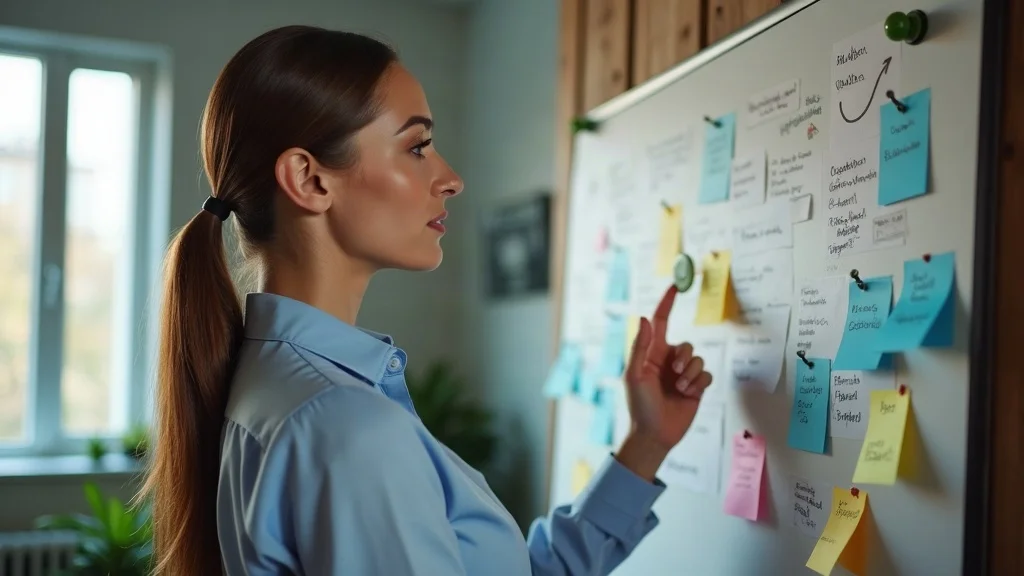
Avoiding Common Pitfalls During a Business Reassessment Pause
Why Not to Rush the Pause
Rushing a business reassessment pause defeats its purpose. Founders may feel pressure to quickly “get back on track,” but hurried decisions often lead to superficial solutions or missed opportunities. Taking measured, thoughtful time ensures that reflections are grounded in honest insights rather than fear or impatience. This deliberate process strengthens the foundation for all future efforts.

Avoiding Nostalgia Bias in Business Reassessment
Founders must guard against nostalgia bias—the temptation to cling to the initial story simply because it is familiar or emotionally significant. A business reassessment pause is not about forcing old dreams onto new realities. Instead, it encourages discerning what still matters and what was only part of the original context that no longer applies.
The Risks of Using AI Without a Clear Current Vision
Leveraging AI tools without a current, accurate understanding of your business risks amplifying outdated or irrelevant strategies. As the Founder Educator explains, “A tool can help you produce more material from a bad premise. Speed makes that mismatch more expensive, not less. ” Before deploying AI or automation, ensure the foundation of your messaging, offers, and operations is truthful and updated.
A tool can help you produce more material from a bad premise. Speed makes that mismatch more expensive, not less. — Founder Educator, Founder Soul Identity
Practical Tips for Founders Considering a Business Reassessment Pause
How to Communicate the Pause to Your Team and Stakeholders
Transparency is key. Share the reasons for the reassessment pause openly with your team and stakeholders. Emphasize that the pause is a strategic moment for alignment and growth, not a sign of weakness. Clear communication preserves trust and maintains morale during the temporary slowdown.
Integrating AI Thoughtfully After Reassessment
Once the reassessment clarifies your current business truth, AI tools can be integrated purposefully. Use the reassessment outcomes to define clear guidelines for AI-generated content or automation workflows. This approach ensures tools support your current vision instead of perpetuating outdated information.

Maintaining Momentum While Pausing
Pausing does not mean stopping entirely. Maintain core operations that keep the business stable while dedicating time for strategic reflection. This balanced approach keeps momentum alive, so the business is ready to grow confidently once the pause concludes.
People Also Ask
Is the government shut down affecting small businesses?
Government shutdowns can create uncertainty and operational challenges for small businesses, impacting access to resources and regulatory processes. Understanding these impacts helps founders plan their business reassessment pause accordingly, accommodating potential delays or policy changes in their strategies.
When should you call it quits on your business?
Deciding to end a business is a personal and complex choice. A business reassessment pause can clarify whether to pivot, pause, or close by objectively evaluating current realities against original goals and market demand. This process supports informed decisions rather than emotional reactions.
What does "suspension of business" mean?
Suspension of business means temporarily halting operations, often to reassess strategy or due to external factors. This strategic pause allows time to realign vision and resources and plan the next steps thoughtfully without forcing continued activity during uncertain times.
What happens if you never dissolve an LLC?
Failing to dissolve an LLC properly can lead to ongoing tax liabilities and legal obligations. A business reassessment pause offers an opportunity to evaluate whether dissolution or restructuring is necessary to avoid unnecessary costs and legal risks.
| Outcome | Description | Example Actions |
|---|---|---|
| Reaffirm | Confirm core vision and strategy remain intact and relevant. | Continue existing offers, strengthen messaging, maintain team focus. |
| Revise | Modify parts of the business to better fit current realities. | Update product features, re-target customers, adjust marketing. |
| Retire | Discontinue offers or strategies no longer viable or aligned. | Phase out outdated products, close non-performing channels. |
| Rebuild | Reconstruct or innovate to address new challenges or opportunities. | Develop new offers, restructure teams, adopt new technologies thoughtfully. |
Summary of Key Takeaways
- A business reassessment pause is a strategic decision, not a sign of failure.
- Revisiting your original vision helps clarify what remains relevant.
- The Founder Soul Identity Mirror aids in discerning what to keep or change.
- Rushing into AI tools without reassessment risks amplifying outdated strategies.
- Clear communication during the pause maintains team alignment and morale.
Final Thoughts on Embracing the Business Reassessment Pause
Pausing to reassess your business vision is a courageous and necessary step for sustainable success. As Founder Educator of Founder Soul Identity explains, this pause is about making informed decisions that respect both your original purpose and current realities.
We invite you to join the AI Readiness Conversation for Africa and Diaspora Female Founders. https://myexpertise.sovereignsforge.ai/exploration
If you’re inspired to deepen your understanding of how vision, resilience, and adaptability shape entrepreneurial journeys, consider exploring broader founder stories and lessons. The reflections in Thirty Years This March offer a powerful look at the long-term impact of strategic pauses and evolving leadership. Let these insights encourage you to approach your own business reassessment with confidence, knowing that every pause can be a catalyst for renewed clarity and growth.





Write A Comment