

Picture a vibrant university courtyard in Kampala at sunrise, where groups of fresh Ugandan college graduates gather—some eager and smiling, others lost in thought about the world beyond the campus. As they scroll through their phones, futuristic AI interface screens flash job alerts and digital portfolios, casting optimistic yet uncertain reflections on their faces. This simple morning scene is a window into the new reality for young professionals in Uganda: Artificial intelligence is rewriting the rules for career opportunities, disrupting old patterns, and setting the stage for both remarkable possibilities and daunting challenges.
Artificial intelligence: Shaping the Career Landscape for Uganda’s College Graduates
As the digital revolution sweeps through Africa, artificial intelligence is making a profound impact on how is thr AI era affecting career opportunities for recent college graduates in Uganda. Ugandan college graduates are transitioning from an era where traditional job hunts involved printed CVs and word-of-mouth networking, to a digital-first world buzzing with automation, new skills demands, and the promise—and threat—of AI-powered job transformation. As companies embrace AI systems for efficiency and innovation, recent graduates face a job market in flux, where some familiar paths are disappearing and brand-new opportunities are emerging. Whether in finance, customer service, or the fast-growing tech industry, the “AI era” has become a key topic around business tables and university halls, shaping both hopes and anxieties about the future. Understanding this shift is crucial for anyone setting out to build a career in Uganda today, especially as young professionals are poised to play a key role in Africa’s digital leap.
As these changes unfold, it’s important to recognize that the evolving landscape is not unique to Uganda—across Africa, professionals and graduates are navigating similar transitions as AI becomes more integrated into daily work and business. For a broader perspective on how women and youth are adapting to these shifts and building resilience in the face of technological change, you can explore additional insights at She Evolves Africa.

Experiencing the AI Era Firsthand: A Ugandan Graduate's Scenario
Imagine a graduating student named Brian, who studied business administration at a leading university in Uganda. Upon entering the evolving labor market, he’s faced with more than just the usual hurdles of finding a job—he’s up against AI-powered resume scanners, digital assessment tools, and the omnipresence of large language models surfacing throughout the hiring process. In finance, logistics, and retail, he sees positions once filled by entry-level graduates now increasingly occupied by automated systems and AI tools. The journey isn’t all bleak, however. Brian discovers that his internship at a tech hub introduced him to valuable digital skills—data analysis with AI tools, understanding customer service chatbots, and even exploring roles in digital marketing. While traditional routes are narrowing, the AI era is also guiding Brian and many of his peers toward innovative, tech-driven paths that didn’t exist just a few years ago, suggesting both challenge and promise are in store for Uganda’s emerging workforce.
What You'll Learn About How is thr AI Era Affecting Career Opportunities for Recent College Graduates in Uganda
- Key impacts of artificial intelligence on job availability for recent college graduates
- The evolving skills required in the age of AI and how they differ from traditional roles
- Opportunities and threats posed by AI to Uganda’s youth employment
- Perspectives from Ugandan business owners and recent graduates
Understanding Artificial Intelligence and the New Job Paradigm for College Graduates
Defining Artificial Intelligence in the Ugandan Career Context
Artificial intelligence in Uganda is not just a buzzword—it’s fast becoming the engine driving transformation across industries. From digital financial services to healthcare diagnostics and logistics, AI systems now analyze massive datasets, automate repetitive tasks, and act as key decision-making aids for Ugandan businesses. For college graduates, this means encountering smart algorithms during job applications and seeing AI-based tools reshape day-to-day work experience. Employers are increasingly searching for candidates who understand these technologies, use digital platforms for collaboration, and can adapt as AI evolves. With more tech hubs springing up in major cities like Kampala, college students and recent graduates must grasp not only the basics of AI, but also how language models, automation, and machine learning are weaving into every aspect of the modern labor market.
As AI tools saturate sectors such as finance, marketing, and customer service, the notion of employment is being renegotiated. College graduates must move beyond conventional definitions of jobs, redefining roles and learning to work alongside smart machines. The rise of AI-powered companies is accelerating this shift, placing a premium on digital literacy, adaptability, and problem-solving skills. For Uganda’s young professionals, the new job paradigm is clear: mastering how is thr AI era affecting career opportunities for recent college graduates in Uganda requires learning, unlearning, and relearning—often through self-driven exploration of the latest AI trends.

How AI May Influence Traditional Employment Models for College Graduates
The traditional Ugandan employment model—graduate, secure an entry-level job in a reputable firm, and steadily climb the career ladder—has experienced a seismic shift in the AI era. Companies are rapidly adopting AI-powered solutions for hiring, workflow management, and business analytics. This shift is especially apparent in finance, logistics, and the burgeoning digital commerce space. AI systems now automate what were once manual roles, signaling that job losses in certain sectors may be inevitable. Yet, AI adoption does not mean an overall disappearance of jobs, but rather a transformation of available positions.
College graduates must now envision their careers as dynamic journeys requiring constant adaptation. Where one might have previously settled into a single job category for years, today’s roles—especially those touching on AI and data—require continuous upskilling and awareness of new technologies. Remote work, project-based engagement, and multidisciplinary teamwork are becoming standard. As the labor market evolves, so too are expectations around skills: adaptability, digital communication, data literacy, and tech fluency form the backbone of success in the AI-driven workplace. For Uganda’s graduates, this underscores the urgent need to rethink career planning and to anticipate shifts rather than simply react to change.
The Double-Edged Sword: How is thr AI era affecting career opportunities for recent college graduates in Uganda
AI May Disrupt Traditional Career Paths for College Graduates
- Automation in finance, logistics, and retail sectors
- Shift to tech-driven roles versus legacy professions

AI may fundamentally disrupt the foundation of what Ugandan graduates used to expect from the labor market. Automated systems are reshaping sectors like banking, logistics, and retail—fields that once offered steady entry-level jobs. Automated chatbots replace customer service reps, and digital systems streamline operations in a way that reduces the need for basic clerical staff. These shifts lead to job displacement and contribute to fluctuating employment rates, sparking concerns about job loss and the need for industries to re-skill their workers.
The contrast between traditional professions and tech-driven roles has become more pronounced. Classic career paths such as basic accounting, office administration, and manual stock-keeping are shrinking, while new opportunities in AI tool development, data management, and tech support are rapidly growing. The threat of job losses is especially significant for those who have not kept pace with digital skills or the requirements of the modern workplace. However, for proactive recent graduates who embrace technology and continuous learning, the AI era signals a chance to leapfrog into leadership in Uganda’s innovation ecosystem. The labor market rewards those who combine foundational knowledge with the agility to respond to technological disruption.
Emerging Opportunities in the Age of AI for Ugandan College Graduates
- Startups and digital entrepreneurship
- AI-related roles: data analysis, machine learning, digital marketing

While AI may close some traditional doors, it also unlocks entirely new avenues for ambitious graduates. Uganda’s tech startup culture is thriving, with innovative youth leveraging AI tools to launch digital businesses, develop mobile apps, and provide tech solutions tailored to local and continental markets. AI-specific roles—ranging from data analysts and machine learning specialists to digital marketing strategists—are in high demand. The entrepreneurial landscape encourages college graduates to identify problems and design digital solutions, from AI-driven agricultural monitoring to healthcare diagnostics powered by large language models. Startups and independent consulting are no longer fringe options but crucial engines driving Uganda’s future prosperity.
Moreover, as more companies prioritize digital transformation, graduates who have mastered AI tools or participated in AI training attract greater attention from recruiters. Opportunities abound for self-motivated learners, with international tech conferences, online courses, and collaborative innovation hubs all providing platforms for Ugandans to shine. College graduates who invest in digital upskilling—learning data science, language modeling, or AI tool deployment—are well-placed to thrive in a landscape defined by both competition and invention.
Education and Employability: Is Higher Education Keeping Up with the AI Era?
The Response of Higher Education (H E) Institutions to Artificial Intelligence
- Curriculum shifts towards digital literacy and AI fluency
- Tech hub partnerships with universities
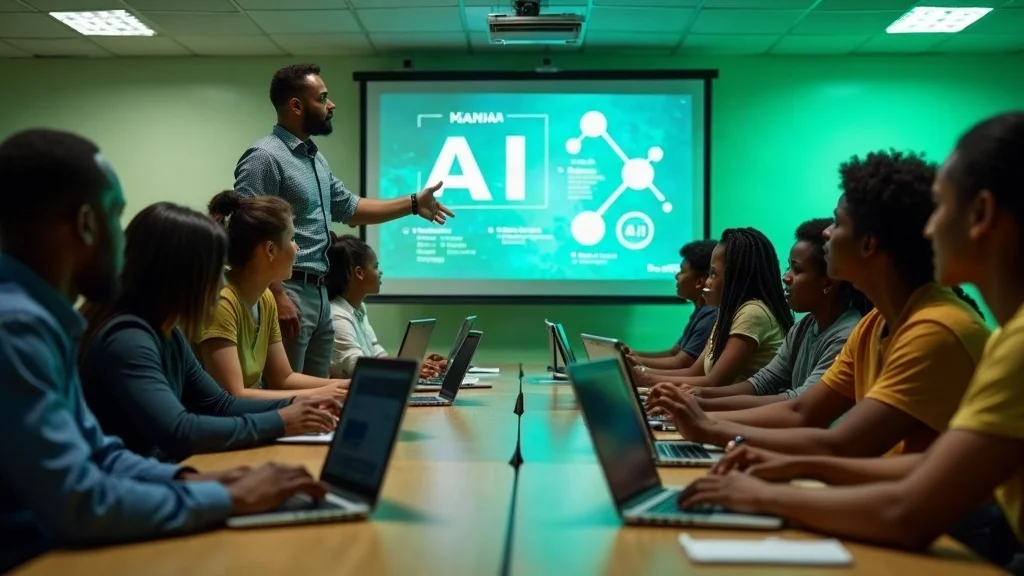
Ugandan higher education (H E) institutions are rapidly recognizing the importance of adapting to the changing times. While traditional academic structures often lag behind business and technology trends, universities in Uganda are beginning to overhaul their curricula to prioritize digital literacy, coding, AI fluency, and hands-on tech experience. New degree programs and elective courses in artificial intelligence, data analysis, and computer science now sit alongside business administration, social sciences, and engineering, preparing graduates for the realities of the job market. These curricula aim not only to impart technical skills but also to foster soft skills such as teamwork, adaptability, and creative problem-solving—traits deemed essential in the AI era labor market.
Collaboration between universities and tech hubs is another promising strategy. Many universities have established partnerships with AI-focused startups and innovation centers, offering real-world project experience, mentorship, and access to the latest AI tools. These relationships empower students to participate in hackathons, job shadowing, and collaborative research, ensuring that education is not divorced from market demands. However, the road ahead is long—many institutions are still catching up, and resource disparities between urban and rural schools create uneven access to quality AI education.
Are College Graduates Ready for AI-Integrated Workplaces in Uganda?
- Soft skills versus technical skills in job placement
- Internship programs in partnership with AI companies
Preparation for the AI-driven workforce goes beyond simply acquiring technical know-how. Employers in Uganda consistently note the value of soft skills—communication, leadership, creative thinking—alongside technical proficiency. The most successful recent graduates are those who blend software competency with interpersonal acumen, leading teams, managing projects, and navigating ethical dilemmas introduced by AI systems. Work experience through internships provided in partnership with AI businesses is becoming increasingly valuable, often weighing as heavily as academic achievement when securing roles in top organizations. The blend of real-world exposure and academic knowledge is key to bridging the gap between university training and labor market expectations.
Despite these improvements, a sizeable gap remains: Not all college graduates can access advanced AI education or build strong portfolios. While urban-based institutions boast connections with high-tech firms, graduates from rural backgrounds may face barriers in accessing digital resources, participating in AI upskilling workshops, or securing placements in competitive tech firms. This underscores the need for policies and initiatives that democratize access to AI mentorship, internships, and training for all Ugandan students, providing a level playing field for the next generation of innovators.
Challenges of the AI Era: Unemployment, Underemployment, and Adaptation
The Unemployment Puzzle: How is thr AI era affecting career opportunities for recent college graduates in Uganda
- Mismatch between education and market demands
- The rapid pace of AI adoption and graduate adaptation

Unemployment rates among recent graduates remain a significant issue in Uganda, exacerbated by the quick integration of AI into key sectors. The mismatch between what students learn in class and what employers seek in a fast-changing digital economy is one root of the problem. Often, universities lag behind in updating course content to match the skills in demand—especially AI tool proficiency, adaptive learning, and hands-on project management. As a result, graduates sometimes feel like they are chasing moving targets: the job market is evolving faster than their academic training can keep up.
Compounding this, the rapid AI adoption in business means some current job descriptions vanish almost overnight, replaced by roles requiring expertise in AI system deployment, digital analytics, or automated workflow management. For graduates with only traditional qualifications, this can be disorienting. However, a growing ecosystem of online learning, coding bootcamps, and industry-specific upskilling programs offers adaptable graduates a pathway to reinvent themselves and meet emerging labor market needs in the age of AI.
Key Barriers for Ugandan College Graduates in the Age of AI
- Limited access to advanced AI education and tools
- Socio-economic divides and urban–rural disparities
One of the largest obstacles faced by recent college graduates is unequal access to quality AI education and resources. Advanced AI tools, expensive coding programs, and up-to-date hardware are often concentrated in urban centers and better-funded institutions. This creates a gap for students from rural backgrounds or less privileged communities, who may struggle to keep pace with peers from city universities. Addressing these inequalities is essential if Uganda is to build a truly inclusive AI-driven economy.
Socio-economic divides—such as household income, internet availability, and family educational background—further widen the gulf of opportunity. Young Ugandans pursuing tech careers must often juggle family responsibilities, limited access to AI mentors, and high costs associated with top-tier training programs. Bridging this divide requires concerted efforts from government, business, and educational stakeholders. Targeted scholarships, distributed AI learning centers, and partnership initiatives can ensure every Ugandan graduate can reach their full potential, regardless of their starting point.
Advice & Inspiration from Ugandan Business Leaders and AI Innovators
"Uganda’s youth have an unprecedented opportunity to shape Africa’s AI revolution, but that requires bold entrepreneurial thinking and continuous reskilling." — Local Founder
"AI may change the landscape, but creativity and adaptability remain invaluable." — Recent University Graduate

Voices from the heart of Uganda’s tech and business scene provide both motivation and practical insights for the next generation. Local entrepreneurs champion the importance of entrepreneurial courage and relentless reskilling—in an AI era, stagnation is the true threat. Innovators urge recent graduates not to fear disruption but to embrace it as a catalyst for new ventures. Many business leaders see the country poised on the edge of becoming a regional hub for AI-powered solutions, if its youth harness both digital savvy and cross-sector collaboration.
Recent graduates echo the importance of soft skills—creativity, empathy, and rapid adaptation—as AI continues to expand its reach into new fields. While technical capabilities are essential, it is often the willingness to learn, innovate, and think differently that sets apart tomorrow’s leaders from the rest. The message is clear: Uganda’s future workforce must blend bravery with ingenuity to not just survive but shape Africa’s AI-driven future.
Lists of In-Demand Skills and AI-Proof Sectors
- Top tech and human-centric skills for the future in Uganda
- AI-resistant sectors: health, education, creative industries

To stay ahead in the age of AI, Ugandan graduates must focus on gaining both technology-driven and human-centered skills. The most in-demand abilities include data analysis, coding, digital project management, and strategic problem-solving. However, “AI-proof” fields such as healthcare, education, and the creative industries remain robust. Nurses, teachers, artists, and strategic planners continue to offer unique value beyond the reach of artificial intelligence. Key soft skills—empathy, leadership, and communication—will never go out of style, even as technical proficiencies must evolve.
Industry leaders also point to a rise in demand for hybrid talents, such as professionals who combine sector-specific knowledge with digital fluency. For example, teachers who can integrate AI into the classroom or healthcare workers skilled in telemedicine technology are becoming indispensable. These multidimensional roles demonstrate how AI, rather than erasing jobs, pushes ambitious graduates to expand their horizons, blend skills, and become lifelong learners.
Table: Comparison of Traditional vs. AI-Era Job Skills for College Graduates
| Skill Type | Traditional Role | AI-Era Role | Adaptability Required | Examples in Uganda |
|---|---|---|---|---|
| Data Analysis | Manual record keeping | AI-enabled data analytics | High | Digital finance analyst |
| Communication | Face-to-face customer service | Digital customer engagement | Medium | Online marketing specialist |
| Problem Solving | Routine troubleshooting | AI-assisted decision making | High | Startup tech advisor |
| Technical Skills | Clerical IT support | Machine learning & coding | Very High | AI software developer |
| Creative Thinking | Project ideation | Innovation & design thinking | High | EdTech content creator |
People Also Ask: Navigating the AI Job Market in Uganda
Which 3 jobs will survive AI?
Answer: Roles involving creative problem-solving, personal care (health, education), and strategic planning will likely remain resilient despite AI advances.

What jobs will be gone by 2030 due to AI?
Answer: Many repetitive office roles (data entry, routine clerical work) and basic manufacturing jobs may become obsolete with increased AI automation.
How bad is the job market right now for new grads?
Answer: The job market for new graduates in Uganda is challenging, with high competition and a need for more technologically relevant skills.
What are the main causes of unemployment in Uganda today?
Answer: Factors include a mismatch between academic training and market needs, limited access to tech opportunities, and rapid AI-driven industrial shifts.
FAQs about How is thr AI era affecting career opportunities for recent college graduates in Uganda
-
What sectors are projected to grow due to AI in Uganda?
Sectors like finance, information technology, e-commerce, healthcare diagnostics, and digital marketing are expected to expand as businesses increasingly adopt AI tools. -
How critical is digital literacy for career success in the AI era?
Digital literacy is now essential. Understanding AI tools, online collaboration, and data analytics are core requirements for employability in most growing sectors. -
What practical steps can Ugandan graduates take to remain employable?
Continually develop both technical and soft skills, pursue internships, participate in online AI-related courses, and engage in entrepreneurial ventures or tech networking events. -
Is entrepreneurship a viable path in the age of AI?
Absolutely. Many Ugandan graduates are launching startups in AI-focused spaces, leveraging digital solutions to solve local challenges and build sustainable businesses.
Key Takeaways from the AI Era’s Impact on Career Opportunities for Ugandan College Graduates
- AI is reshaping but not erasing opportunities—adaptability is crucial.
- Skills development and entrepreneurial action are critical pathways.
- Active participation in AI dialog and upskilling will determine future success.
Your Thoughts Matter: Share and Join the Founders Readiness Pathway
We invite you to join the conversation about the Founders Readiness pathway, in the Age Of AI : https://The.PersonalBrand.Africa/founder-sole-identity-visitor-space
Conclusion: The Road Ahead for Recent College Graduates in Uganda in the Age of AI
The AI era brings both challenge and promise—those ready to learn, lead, and innovate will define Uganda’s next leap forward. Now is the time for action, adaptability, and audacious vision.
As you reflect on the evolving career landscape for Ugandan graduates, remember that the journey into the AI era is a shared experience across the continent. Exploring how others are navigating these changes can offer fresh strategies and inspiration for your own path. For more stories, resources, and community-driven insights on adapting to technological transformation and building future-ready skills, consider visiting She Evolves Africa. Whether you’re seeking practical advice or a supportive network, engaging with broader African perspectives can help you stay ahead and thrive in the age of AI.




Write A Comment